Privatize Airport Security? Plan Sparks Job Cut Fears
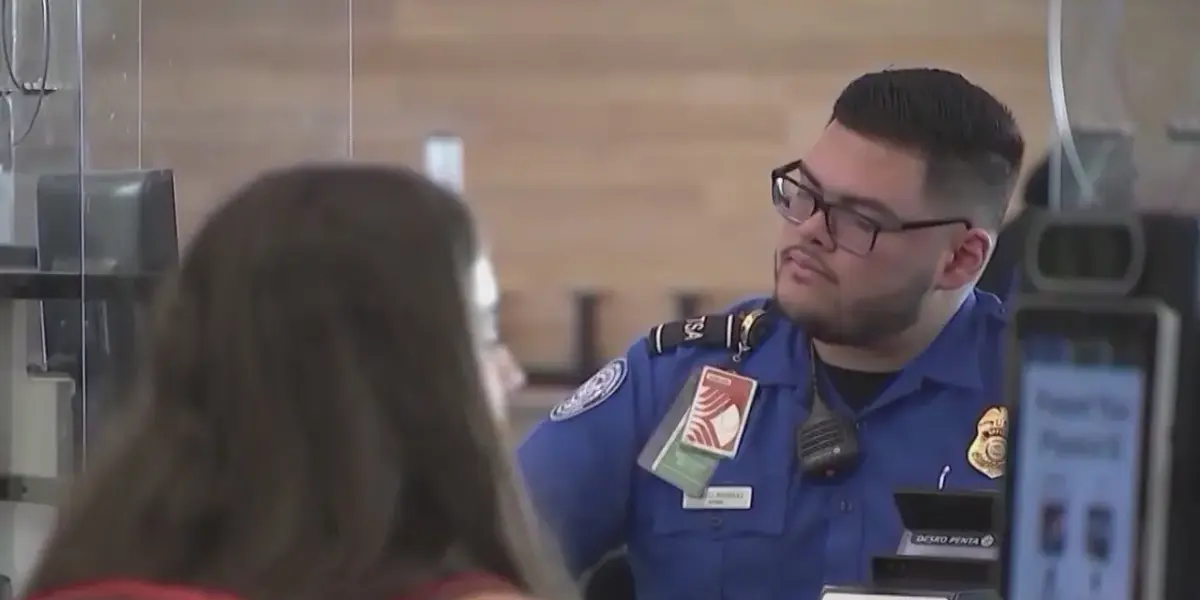
The Trump administration is considering privatizing TSA airport screenings, a move that could cut thousands of federal jobs but potentially reduce wait times for travelers. About 20 airports already use private screeners, and the TSA has explored this option to address staffing shortages.

Privatize Airport Security? Plan Sparks Job Cut Fears
The idea of letting private companies handle airport security screenings is back on the table. The Trump administration is looking at this as a way to potentially save money and make travel smoother. This proposal comes as government shutdowns have shown how much federal workers, like those at the TSA, can be affected by pay delays.
Under this new budget plan for the Department of Homeland Security, thousands of TSA jobs could be cut. The security screening at some airports would then be handled by private companies instead of government employees.
The White House believes this could save about $52 million each year. They also think it could make security more flexible, especially during busy travel times.
Existing Private Screening Programs
This isn’t an entirely new idea. About 20 airports across the country already use private screeners through a federal program. This includes places like Orlando, San Francisco, and St. Louis.
The TSA itself has been exploring ways to expand this private screening option. They see it as a possible solution for staffing shortages and avoiding long lines at busy airports.
However, this plan is still just a proposal and faces some criticism and concerns. It’s not a done deal yet, but it is something the White House is currently considering. Many travelers might wonder how this change could affect their airport experience.
What Travelers Can Expect
If this proposal moves forward, travelers will still go through security checks and use the same scanning machines. The main difference would be who is actually doing the screening and managing that process. Instead of federal workers, private employees from companies would be responsible.
Supporters say this could mean more flexibility and shorter lines during busy travel periods. The private companies would still have to follow all federal rules and government oversight. This could lead to a smoother experience for people trying to catch a flight.
Concerns About Consistency
On the other hand, some people worry that privatizing security could lead to inconsistent experiences. The quality and procedures might vary from airport to airport, depending on which private company is in charge. This raises questions about maintaining the same high level of security everywhere.
For the traveling public, the change might mean more flexibility and potentially faster lines. The biggest difference will be the shift from government employees to private workers handling the security checks.
Why This Matters
Historical Context and Government Shutdowns
The discussion around privatizing TSA screenings is closely tied to the recurring issue of government shutdowns. These shutdowns have highlighted the vulnerability of federal workers who can go weeks without paychecks.
The transcript mentions how federal workers from DHS went without pay during a recent shutdown, needing an executive order to receive back pay. This instability can affect morale and the ability to perform critical jobs effectively.
The idea of privatization is presented as a potential solution to some of these operational challenges. By shifting to private companies, the administration might be seeking a model that is less directly impacted by federal budget impasses and political debates over government funding.
Potential Benefits and Drawbacks
The main arguments for privatization focus on efficiency and cost savings. The White House estimates saving $52 million annually and suggests that private companies can offer more flexible staffing.
This flexibility is especially appealing during peak travel seasons when long lines can cause significant passenger frustration. Airports already using private screeners serve as a model, suggesting the concept is workable.
However, critics raise valid concerns about security standards and consistency. If private companies are driven by profit, there’s a worry that corners might be cut, or that security protocols could vary widely.
Ensuring that all private screeners adhere to the same rigorous federal standards and undergo thorough vetting is crucial. The public’s trust in the security of air travel is paramount.
Implications and Future Outlook
If privatization of TSA screenings were to expand significantly, it could represent a notable shift in how public safety services are managed. It would mean a larger role for the private sector in a critical government function. This could influence other areas of government service, prompting discussions about where public and private responsibilities should intersect.
The trend towards using private contractors for certain government functions is not new, but applying it to core security roles like airport screening carries unique implications. The success or failure of such a large-scale privatization effort would likely be closely watched and could set a precedent for future policy decisions. The proposal is currently under consideration, and its future will depend on further review and potential legislative action.
Source: Privatizing TSA on the table as shutdown impacts airport security | Morning in America (YouTube)

Related Articles


Europe’s Lessons: Americans Rethink Life After Travel
Americans returning from Europe often report a profound shift in perspective, questioning U.S. norms around driving, food, work-life balance, and healthcare. They highlight European systems that prioritize community, well-being, and quality of life. This has sparked a conversation about what Americans could learn and potentially adopt.

CLEAR CEO Demands Better Travel, Cites DHS Funding Crisis
CLEAR CEO Caryn Seidman-Becker urged Congress to end the political "football" surrounding DHS funding, stating American travelers deserve a better airport experience. She cited international hubs as benchmarks and highlighted the need for bipartisan cooperation on security and traveler efficiency. The company is supporting TSA workers with gift cards amid the funding uncertainty.
TSA Lines Shrink as Officers Get Back Pay Amid Shutdown
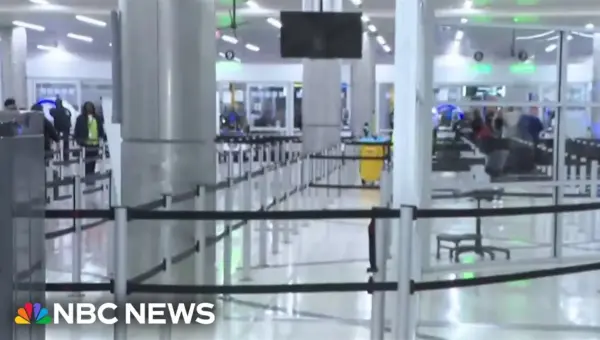
Airport security lines have significantly improved as TSA officers receive back pay after weeks of working without salary during a government shutdown. Despite the temporary relief, over 500 officers have quit, raising concerns about future staffing and national airport security.