Iran Blockade Hits Oil Exports, Shifts Mideast Power Dynamics
A U.S. blockade is now in effect, stopping Iran's oil exports and significantly impacting its economy. This move aims to pressure the Iranian regime amidst stalled negotiations. The blockade has led to a slight drop in oil prices, suggesting market anticipation of eased supply concerns, though geopolitical risks remain.

Iran Blockade Hits Oil Exports, Shifts Mideast Power Dynamics
A new U.S. blockade aimed at Iran’s oil exports is now in effect, significantly disrupting the nation’s ability to sell its crude. This move, designed to cripple Iran’s economy, is already showing results, with no ships reportedly leaving Iranian ports in the past 24 hours. Central Command (Centcom) confirmed that the blockade is being enforced by over 10,000 troops, preventing any Iranian oil from reaching international markets.
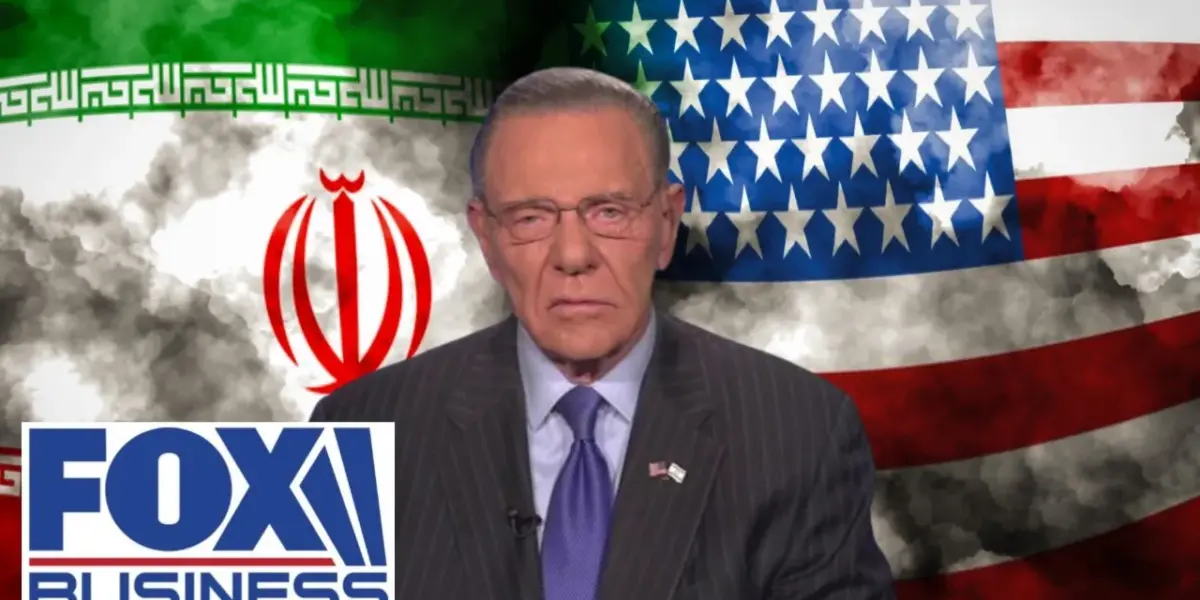
Retired General Jack Keane explained the blockade’s purpose: to stop all oil exports from Iran. This action targets oil being shipped on various vessels, effectively cutting off a major source of revenue for the Iranian government.
The blockade comes at a critical time, following Iran’s actions in the Strait of Hormuz. President Trump’s administration views this as a strategic move, timed to coincide with stalled negotiations.
Blockade’s Economic Impact on Iran
The blockade is expected to have a dramatic impact on Iran’s economy. Just the closure of the major distribution point at Car Island, which handles over 90% of Iran’s oil exports, means a massive loss of revenue.
General Keane believes Iran miscalculated the U.S. response, possibly overestimating the leverage gained from closing the Strait of Hormuz. They may have expected concessions due to a perceived U.S. need, but the administration is holding firm, demanding significant changes from Iran.
Negotiations with Iran have reportedly stalled, with the U.S. seeking comprehensive concessions. Reports suggest that Iran’s military and weapons stockpiles have been significantly weakened, and its economy is struggling. With the cards seemingly in President Trump’s favor, the pressure is mounting on the Iranian regime to comply with U.S. demands.
Investor Reaction and Market Movements
The financial markets have reacted positively to the news from the Middle East. The price of oil saw a slight dip, falling to around $94 a barrel after being at $93 earlier. This suggests that the market anticipates a potential easing of supply concerns, despite the ongoing tensions.
The International Energy Agency reported that ongoing attacks and restrictions on tanker movements in the Middle East have caused the largest fuel disruption in history. However, the current situation, with the U.S. blockade, is seen as a step towards stabilizing energy markets in the short term.
Geopolitical Ramifications and Investor Outlook
The blockade is a significant development in the ongoing geopolitical standoff between the U.S. and Iran. While the U.S. is preventing Iranian oil exports, ships flying other flags are still permitted to pass through the Strait of Hormuz and the Persian Gulf.
This suggests a targeted approach, aimed at Iran’s economy rather than disrupting global trade entirely. However, Iran has warned of retaliation, stating that if its ports are threatened, no port in the Gulf will be safe.
For investors, the situation highlights the volatility in the energy sector and the broader geopolitical risks associated with the Middle East. The U.S. blockade aims to exert maximum economic pressure without resorting to direct military conflict, a strategy that could reshape regional dynamics. The success of this blockade may influence future U.S. foreign policy approaches in the region.
What Investors Should Know
The U.S. blockade on Iranian oil exports is a major economic pressure tactic. This action aims to starve the Iranian regime of its primary source of income.
Investors should monitor oil prices closely, as any disruption or escalation in the region could lead to price spikes. The effectiveness of the blockade will depend on its duration and Iran’s ability to withstand the economic pressure.
The situation also raises questions about potential Iranian responses, which could include kinetic actions or cyberattacks. While the U.S. military is prepared to counter such moves, any escalation could introduce new risks for global markets. The administration’s strategy appears to be one of maximum pressure, with the goal of forcing Iran to change its behavior without a full-scale military engagement.
Long-Term Implications for the Market
If the blockade proves effective and leads to a significant shift in Iran’s policies, it could result in a more stable energy market in the long run. However, prolonged conflict or unpredictable responses from Iran could lead to sustained volatility.
Investors will need to watch how diplomatic efforts evolve alongside economic sanctions. The U.S. strategy seems focused on achieving its objectives through economic means, a approach that could set a precedent for future international relations.
The ongoing developments in the Middle East highlight the importance of geopolitical risk assessment for investment portfolios. The energy sector, in particular, remains highly sensitive to regional stability. As the blockade continues, its long-term impact on global oil supply and pricing will become clearer.
Source: 'WE ARE ON THE CUSP': Keane sounds alarm on RECKLESS behavior | Recap (YouTube)

Related Articles

Trump’s Economy: Vegas Gamble or Real Recovery?
President Trump's economic message faces headwinds as polls show most Americans feel the economy is struggling, despite stock market highs. A "K-shaped" economy and global conflicts like the Iran war add to the challenges. Meanwhile, debates rage over accountability in Congress and shifting US public opinion on foreign policy.
Trump’s Iran Claims Crumble Under Scrutiny
Recent claims by Donald Trump about a deal with Iran have been met with direct contradictions from Iranian officials and observations of the Strait of Hormuz. Suspicions of market manipulation have also arisen due to large oil trades preceding Trump's announcement.


Ukraine Conflict: Early Signs of Russian Influence
Early signs of Russian influence in Ukraine became apparent before the full-scale conflict, with Russian flags appearing on public transport in some cities. Tensions escalated following the 2013 Euromaidan Revolution, leading to confrontations between pro-Ukrainian activists and opposing groups. A violent incident in spring 2014, where activists raising a Ukrainian flag were shot at, forced pro-Ukrainian groups to operate underground.