Congress Faces Reckoning: Millions Paid in Secret Harassment Settlements
Millions in taxpayer funds were allegedly used to silence victims of sexual misconduct in Congress, sparking investigations and calls for transparency. Meanwhile, mysterious disappearances of UFO-linked scientists raise national security concerns, and diplomatic efforts continue amidst a blockade of Iran.

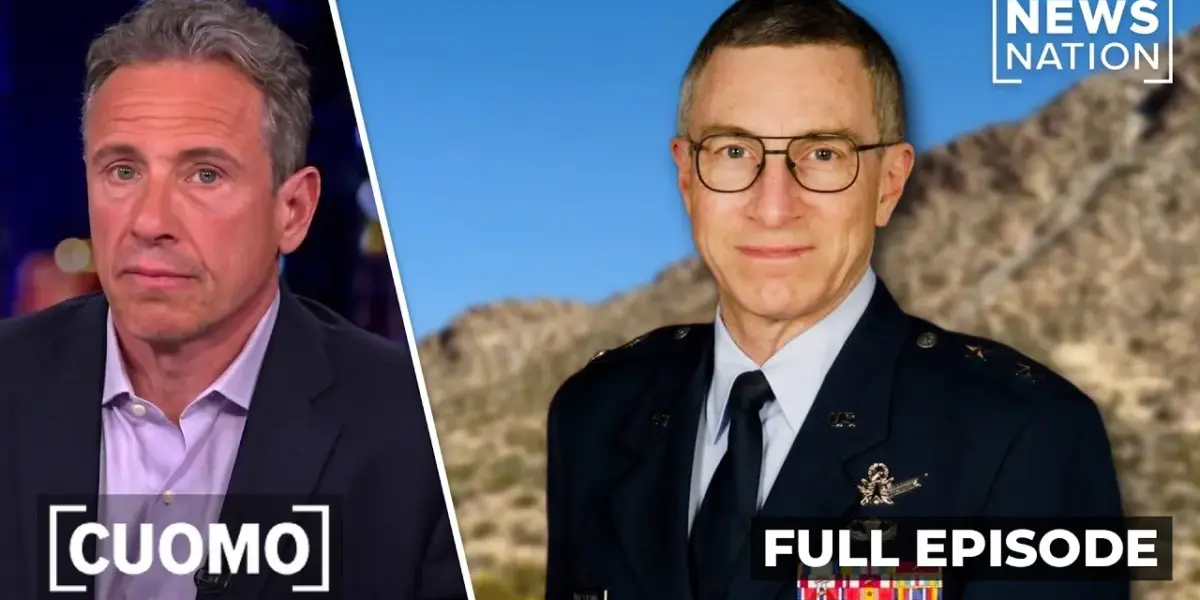
Capitol Hill in Turmoil: A Hidden Fund for Misconduct Exposed
A shadow from Capitol Hill has been brought into the light, revealing a disturbing system where taxpayer money was allegedly used to silence victims of sexual misconduct. The case of Congressman Eric Swalwell, facing allegations from five women, has become a catalyst for a much larger investigation. District Attorneys in New York and Los Angeles, along with the Department of Justice, have launched probes into these serious claims.
This scandal is far from isolated. Congresswoman Lauren Boebert has exclusively told NewsNation that the House Oversight Committee may soon reveal the names of many more members, past and present, accused of sexual harassment or worse. For two decades, ending in 2017, nearly $18 million of public funds was reportedly used to pay off and silence these alleged victims through a system known as a “sexual harassment slush fund.” This revelation has sparked outrage and calls for accountability.
A Culture of Secrecy and Impunity
For years, a culture of secrecy and silence has allowed certain members of Congress to act with impunity. Reena Shaw, a former congressional adviser, expressed shock at the existence of the slush fund, stating she had never heard of it despite holding senior roles on Capitol Hill for over a decade. This suggests a deeply ingrained problem, where those in power felt they could operate outside normal rules, using taxpayer money to cover their actions.
Shaw described a generational shift, where older women were told to keep quiet to succeed in politics. However, she emphasized that this was not the experience of all women on Capitol Hill, many of whom are dedicated public servants. The younger generation, particularly Gen Z women, are now saying “no more,” empowered by the ability to document and share evidence of misconduct.
Calls for Transparency and Accountability
Independent Congressman Kevin McCarthy believes that releasing the names of those involved in misconduct, especially when taxpayer dollars were used for settlements, is a crucial step toward building a new culture of accountability. He noted that many people distrust the government partly due to such double standards, contributing to Congress’s low approval ratings.
While the slush fund may no longer exist, the revelations show a long way to go. McCarthy acknowledged that positive steps have been taken in recent years, but the ongoing horrifying stories demonstrate the persistent issues. He stressed the need for accountability, especially when conduct relates to official duties or involves criminal behavior.
Legal and Ethical Questions Arise
The use of Non-Disclosure Agreements (NDAs) in these settlements raises complex legal questions. Mark Geragos, a defense attorney, pointed out that California and the UK have laws against using NDAs to silence harassment claims, especially when public funds are involved. He argued that using taxpayer money for such settlements cannot legally be shrouded in secrecy.
Geragos also highlighted a historical context, mentioning a “tidal basin case” from decades ago that involved similar issues. The current push to expose these names and end the culture of abuse is a response to decades of silence. The establishment of tip lines, like the one by DC’s U.S. Attorney Janine Piro, aims to provide avenues for victims to come forward, though concerns about verifying allegations and ensuring due process remain.
Why This Matters: Reclaiming Public Trust
The revelations about the secret slush fund and the alleged misuse of taxpayer money to cover up sexual misconduct on Capitol Hill are deeply troubling. They point to a systemic failure to protect victims and hold perpetrators accountable. The use of public funds to silence allegations erodes public trust and suggests that some lawmakers operated with a sense of untouchability.
This moment presents an opportunity for genuine reform. By exposing these practices and holding individuals accountable, Congress can begin to rebuild faith with the American people. The push for transparency, coupled with the changing attitudes of younger generations, could lead to lasting cultural change, ensuring that such abuses are not tolerated and that public money is used responsibly.
The Path Forward: Accountability and Prevention
The ongoing investigations and the potential release of names are significant steps. However, the focus must also be on preventing future misconduct. This includes strengthening oversight, ensuring robust HR-like functions within Congress, and exploring measures like blocking pensions for those found guilty of serious misconduct, as suggested by Representative Boebert.
The debate over due process and the verification of allegations is crucial. While it is vital to protect victims and provide them with avenues to speak out, it is equally important to ensure fairness to the accused. Establishing clear protocols for handling complaints and investigations will be key to navigating these complex issues effectively.
Future Outlook: A New Era of Transparency?
The current climate suggests a potential turning point. The increased public attention, the involvement of multiple law enforcement agencies, and the growing demand for accountability from lawmakers and the public alike could force significant changes. The success of these efforts will depend on sustained commitment to transparency and a willingness to confront uncomfortable truths about power and misconduct on Capitol Hill.
The coming weeks and months will be critical in determining whether this moment leads to lasting reform or becomes another footnote in the history of political scandal. The actions taken now will set the tone for future conduct and accountability within the halls of power.
Beyond Capitol Hill: The UFO Scientist Mystery
In a separate, yet equally intriguing development, a concerning pattern has emerged regarding the disappearances and deaths of scientists and government contractors involved in highly classified work, particularly concerning UFOs. Since 2023, at least ten individuals have vanished or died under mysterious circumstances, sparking widespread speculation and concern.
The list includes figures like Air Force General William McCaslin, known as the “UFO gatekeeper,” who disappeared from his New Mexico home. Other notable cases include government contractor Steven Garcia and aerospace engineer Monica Razo, whose disappearances also occurred under unexplained conditions. President Trump has acknowledged the seriousness of these events, stating that an investigation is underway and an answer may be forthcoming.
Connecting the Dots: Coincidence or Conspiracy?
The sheer number of cases and the common thread of involvement in sensitive defense and potential UFO research have led many to question if these events are random or part of a larger conspiracy. Former FBI Special Agent in Charge Andrew Black believes that while some cases may have mundane explanations, the disappearances of five individuals without a trace, all within a similar timeframe and field, warrants a thorough investigation.
However, others, like Morgan Wright, CEO of the National Center for Open and Unsolved Cases, urge caution. Wright points out that the base rate for missing persons, even those with security clearances, needs to be considered. He suggests that some cases have clear explanations, like murder or natural causes, and that drawing conclusions without rigorous statistical analysis could be a misinterpretation of coincidences, akin to the “Texas sharpshooter fallacy.”
Why This Matters: National Security and Public Interest
The potential connection between these disappearances and classified government projects, especially those related to unidentified aerial phenomena, raises significant national security concerns. If individuals with critical knowledge are being targeted or are disappearing due to the nature of their work, it could have far-reaching implications for ongoing research and defense strategies.
The public’s fascination with UFOs, combined with these mysterious events, creates a fertile ground for conspiracy theories. It is essential to separate fact from fiction through credible investigation. The government’s involvement, including President Trump’s acknowledgment, suggests a recognition of the gravity of the situation, even if the exact nature of the threat remains unclear.
The Road Ahead: Unraveling the Truth
Investigating these cases is complicated by the classified nature of the individuals’ work. Accessing and declassifying relevant information will be a challenge. However, the commitment to uncovering the truth, as expressed by officials, is paramount to understanding whether these are isolated incidents or evidence of a coordinated effort.
The outcome of these investigations could clarify the true nature of UFO research within government circles and potentially reveal threats to national security that have been operating in the shadows. The public awaits answers, hoping to distinguish between elaborate conspiracy theories and a disturbing reality.
Middle East Tensions: Diplomacy Amidst Blockade
The transcript also touches upon the complex geopolitical situation in the Middle East, specifically concerning Iran and its regional activities. The White House claims that a U.S. military blockade of Iranian ports is yielding results, evidenced by President Trump’s announcement of potential peace talks with Iran and Israel’s agreement to a ceasefire against Hezbollah.
Former Middle East peace negotiator Aaron David Miller expressed skepticism about the speed of a potential deal, noting that U.S.-Iranian negotiations are typically slow. He believes the U.S. and Iran are not yet close to a comprehensive agreement or an end to regional conflicts.
The Impact of Pressure and Sanctions
Vice Admiral Robert Harward argued that the blockade is a crucial part of a pressure campaign, significantly impacting Iran’s oil revenue and its ability to fund proxy groups. He believes this financial strain puts the Iranian regime at risk both externally and internally, strengthening the U.S. negotiating position.
Harward also highlighted that Israel’s agreement to de-escalate against Hezbollah was influenced by President Trump’s direct appeal, suggesting a strategic coordination aimed at creating leverage for negotiations. He noted that Trump remains popular in Israel, giving him significant influence.
Long-Term Prospects: A Persistent Threat
Despite these diplomatic maneuvers, both Miller and Harward agree that Iran will likely remain a threat due to its continued pursuit of its revolutionary policies and programs. The core issues driving regional instability, such as Iran’s nuclear ambitions and its support for militant groups, are deep-rooted.
The effectiveness of the current strategy hinges on sustained pressure and a clear diplomatic path forward. While the blockade and potential negotiations may create temporary shifts, the fundamental challenges in the region persist. The situation remains fluid, with ongoing developments requiring close observation.
A Glimmer of Hope or Continued Conflict?
The announcement of peace talks and ceasefires offers a potential pathway toward de-escalation. However, the underlying tensions and the long history of conflict mean that any resolution will be complex and likely protracted. The focus on drying up Iran’s financial lifelines and negotiating on key issues like the Strait of Hormuz and the nuclear program are central to the current strategy.
Ultimately, the question of whether Iran can be trusted to cease being a regional danger depends on its willingness to fundamentally alter its foreign policy and its ideological stance. Until then, vigilance and strategic diplomacy will remain essential.
Source: Is Congress Headed For A #MeToo Moment? Why are UFO Scientists Going Missing? | CUOMO Full Show 4/16 (YouTube)

Related Articles

Trump’s Economy: Vegas Gamble or Real Recovery?
President Trump's economic message faces headwinds as polls show most Americans feel the economy is struggling, despite stock market highs. A "K-shaped" economy and global conflicts like the Iran war add to the challenges. Meanwhile, debates rage over accountability in Congress and shifting US public opinion on foreign policy.

Pentagon Plays Congress: UAP Video Blackout Continues
The Pentagon has missed a deadline to release classified UAP videos to Congress, fueling accusations of deliberate obstruction. Key lawmakers are calling this a constitutional crisis, questioning the government's transparency.

Trump’s Iran Claims Fizzle Amidst Reality Check
Donald Trump's announcement of a deal to open the Strait of Hormuz has been met with skepticism, as evidence suggests the situation remains under Iranian control. Shipping data and Iranian officials contradict claims of a fully open passage, raising questions about misinformation and market manipulation.