World Bank Warns Global Economy Faces Multiple Crises
The World Bank has issued a stark warning about the global economy, which is facing multiple crises simultaneously. Their analysis projects around 15 million jobs could be affected, along with a significant slowdown in growth and persistent inflationary challenges. Policymakers are urged to make difficult decisions that balance current needs with future economic realities.


World Bank Sounds Alarm on Global Economic Strain
While international attention is focused on geopolitical events like the situation in Iran, the World Bank is highlighting a more pervasive threat: a global economy buckling under the weight of multiple, simultaneous crises. The institution’s latest analysis paints a stark picture of widespread economic disruption, with significant job losses and a noticeable slowdown in growth anticipated.
The World Bank’s findings indicate that roughly 15 million jobs worldwide could be impacted by these economic pressures. This projected job loss is coupled with a serious concern for overall economic expansion. The institution forecasts a growth reduction of between 0.4% and 1.4% across the global economy.
Inflationary Pressures and Policy Dilemmas
Beyond job losses and slower growth, the World Bank’s report points to a significant inflationary challenge that could further destabilize economies. These economic indicators are described as “blunt,” meaning they offer a clear and often harsh assessment of the current situation. Policymakers find themselves in a precarious position, often referred to as being “on a knife’s edge.”
This delicate position requires leaders to make critical decisions now that must account for the economic realities of the future. The challenge lies in balancing the urgent needs and crises of the present moment with the long-term requirements and potential opportunities that lie ahead. This balancing act is proving exceptionally difficult for many governments worldwide.
The Risk of Inaction on Broader Issues
The World Bank suggests that while immediate crises, such as ongoing wars, dominate daily news cycles, the real danger lies in the world’s potential delay in addressing these broader economic problems. Waiting too long to implement solutions could exacerbate existing issues and create new ones, leading to a more severe and prolonged economic downturn.
This perspective emphasizes the interconnectedness of global challenges. Ignoring underlying economic weaknesses or failing to invest in future growth while focusing solely on immediate conflicts could have severe long-term consequences. The report is a critical warning for leaders to consider the wider economic implications of their decisions.
Expert Analysis and Broader Implications
Economists have noted that the confluence of factors contributing to this global economic pressure is unusual. Factors such as lingering supply chain disruptions from the pandemic, rising energy costs, and geopolitical instability are creating a perfect storm. The World Bank’s projections highlight that these are not isolated incidents but interconnected elements of a larger global economic challenge.
The potential for 15 million job losses is a significant figure that could lead to increased social unrest and reduced consumer spending, further dampening economic activity. A growth loss of even 0.4% can mean the difference between a growing economy and one that is stagnating or shrinking, impacting everything from investment to public services. The inflationary challenge adds another layer of complexity, eroding purchasing power and making it harder for individuals and businesses to plan.
The Path Forward: Urgency and Strategic Planning
The World Bank’s assessment highlights the urgent need for coordinated international action and strategic economic planning. Policymakers must look beyond immediate headlines and develop comprehensive strategies that address both short-term shocks and long-term economic resilience. This requires difficult choices and a willingness to invest in sustainable growth, even amidst current uncertainties.
The report from the World Bank, released this week, is a critical reminder that economic stability requires constant vigilance and proactive management. As governments grapple with immediate crises, the underlying health of the global economy demands equal, if not greater, attention to ensure a stable future for all.
Source: Is our global system spiraling out? | The Dip Podcast (YouTube)

Related Articles

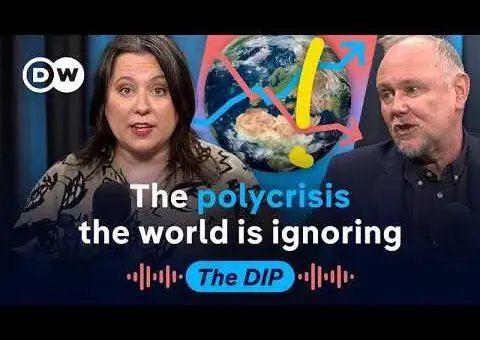
Global Economy Faces ‘Polycrisis’ of Overlapping Challenges
The world is grappling with a "polycrisis," where interconnected problems like the Iran conflict and a looming jobs gap feed into each other. Experts warn that emerging economies are hit hardest by rising energy prices and potential job losses, with 800 million fewer jobs expected than needed in the coming decade. The World Bank is offering financial and policy support to help countries navigate these complex challenges.

Trump Rallies Backfire, Alienating Key Voter Groups, Stanton Says
President Trump's recent rally in Arizona has highlighted voter dissatisfaction, particularly among young people, according to Congressman Greg Stanton. Economic concerns and the war in Iran are major issues driving negative sentiment, impacting Trump's approval ratings and potentially jeopardizing Republican chances in key midterm races.


Voters Express Regret Over Trump’s Economic Policies
Voters in Arizona are expressing significant anger and regret over Donald Trump's economic policies, linking rising costs of fuel and goods directly to his decisions. Experts note a growing distrust fueled by perceived broken promises and a disconnect between Trump's claims and economic realities, potentially impacting upcoming elections.