Japan Ships Warship Through Taiwan Strait, Eyes Global Arms Market
Japan is taking a more assertive defense role, relaxing weapons export rules and sending a warship through the Taiwan Strait. This marks a significant shift from its post-WWII pacifist stance and could reshape regional security dynamics, especially with potential deals like the one with Australia.

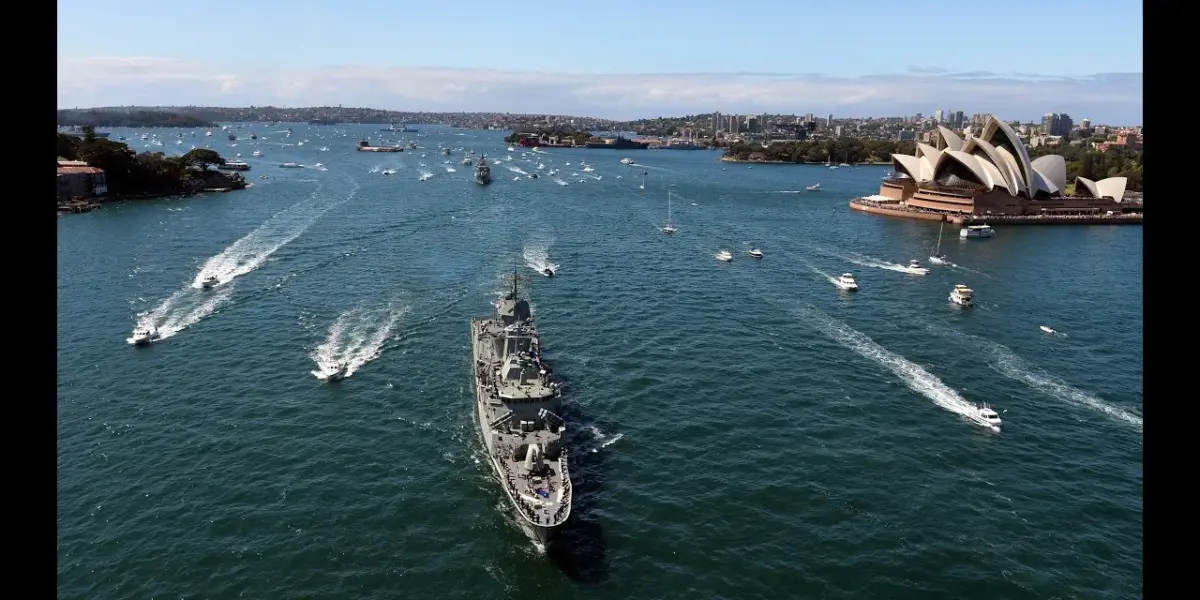
Japan Shifts Defense Policy, Warship Transit Signals New Era
Japan is taking a bolder approach to defense. The country recently relaxed its rules on exporting weapons and sent a warship through the sensitive Taiwan Strait. This move is a significant change from Japan’s historical position of peace after World War II.
China’s military stated it watched a Japanese warship pass through the Taiwan Strait on a Friday. This strait is a critical waterway, separating Taiwan from mainland China. It’s the first time a Japanese warship has sailed through this area since Prime Minister Sanae Takaichi took office.
The timing of this transit appears deliberate. Japanese media reports suggest Tokyo chose this moment carefully, knowing it might upset China.
Relations between Japan and China have already been strained. This follows earlier comments from Japan’s Prime Minister suggesting Tokyo might get involved militarily if Beijing attacked Taiwan.
After passing through the Taiwan Strait, the Japanese warship joined a joint military exercise with the United States and the Philippines. This action highlights Japan’s growing role in regional security. It comes as Japan is set to officially ease its restrictions on exporting weapons.
A New Direction for Global Arms
This change in weapons export policy is a major step. It marks a clear departure from Japan’s post-World War II policy of pacifism.
Representative Pat Harrigan noted that this is one of the most important defense policy changes since the end of World War II. He believes it will have significant effects across the Pacific region.
Harrigan also pointed out that Japan is entering the global arms market at a time when China is pushing boundaries. This creates a complex geopolitical situation. Japan’s move could influence other countries’ defense strategies and alliances.
Australia Sees Opportunity in Japan’s New Policy
Australia is eager to take advantage of Japan’s relaxed arms export rules. Defense ministers from both countries are expected to sign a major deal soon.
Under this agreement, Australia will buy advanced naval frigates from Japan. This purchase will help Australia update its own navy.
These Japanese frigates are designed to be harder for radar to detect. They also have the capability to launch long-range missiles, making them powerful assets. The first of these advanced ships is expected to be delivered to Australia by 2029.
Securing Vital Sea Lanes
Japan’s government is also focusing on how to better protect its sea lanes in the Pacific. These shipping routes are crucial for Japan’s economy. The country depends on them to import vital resources like liquefied natural gas and grain from Australia.
This focus on sea lane defense comes after a past incident. A blockade in the Strait of Hormuz disrupted Japan’s imports of crude oil.
To ensure a steady supply, Japan has released oil from its strategic reserves for the second time. Most of Japan’s oil comes from the Middle East, and much of it travels through the Strait of Hormuz.
Why This Matters
Japan’s decision to relax arms export rules and transit the Taiwan Strait signals a significant shift in its defense posture. For decades, Japan has maintained a strictly pacifist stance. This new assertiveness reflects growing concerns about regional security, particularly regarding China’s increasing military power.
The relaxation of export controls opens up new possibilities for Japan’s defense industry. It also strengthens alliances, as seen with the potential deal with Australia. By becoming a weapons exporter, Japan could play a larger role in shaping the military balance in the Indo-Pacific.
Implications and Future Outlook
This development could lead to increased military cooperation between Japan and its allies. It might also prompt other nations to reassess their own defense strategies. China’s reaction will be closely watched, as any perceived threat could escalate regional tensions.
The global arms market could see a new major player emerge in Japan. The country’s technological capabilities in defense manufacturing are considerable. This could lead to new defense partnerships and a more complex international security environment.
Historical Context
Following its defeat in World War II, Japan adopted a constitution that renounced war and the threat of force. This led to a policy of pacifism and a focus on economic development. However, in recent years, Japan has gradually increased its defense spending and capabilities, citing concerns about North Korea and China.
This latest move represents a more significant departure from that historical pacifism. It suggests Japan is preparing for a more challenging security future. The decision to transit the Taiwan Strait, a point of potential conflict, further emphasizes this new stance.
Japan’s defense ministers are expected to sign a multi-billion dollar deal with Australia this Saturday to purchase advanced naval frigates.
Source: Japan Relaxes Weapons Export Restrictions, Sends Warship Through Taiwan Strait (YouTube)

Related Articles


Markets Brace for Uncertainty Amid Geopolitical Tensions, AI Boom
Geopolitical tensions surrounding Iran are creating market uncertainty, but a booming artificial intelligence sector and a stable labor market are providing significant economic support. Investors are watching closely as AI investment continues to drive growth and buffer against potential downturns.


Dem Lawmaker Slams Trump’s Iran Claims as ‘Otherworldly BS’
Rep. Adam Smith, top Democrat on the House Armed Services Committee, disputes President Trump's claims of Iran agreeing to concessions on its nuclear program and more. Smith stated there is 'no truth whatsoever' to the President's assertions, noting that the Strait of Hormuz is not truly open and Iran has not halted support for terrorism. He called Trump's ability to convince people of his claims 'otherworldly BS'.

Markets Surge Amid Iran Tensions, Widening Wealth Gap
Stock markets are soaring to new heights despite global tensions and low consumer confidence, creating a widening gap between Wall Street and Main Street. Experts warn that the slow-moving effects of shipping disruptions could lead to long-term economic consequences for households worldwide, even as geopolitical strategies appear to falter.