Trump’s Ballroom Obsession Exposes Self-Interest
Donald Trump's public outcry over a halted White House ballroom project is analyzed against the backdrop of American economic struggles. Critics argue his focus on personal amenities like the ballroom, while neglecting issues like rising costs and healthcare cuts, reveals a pattern of self-interest over public welfare. This highlights a broader debate about leadership priorities and accountability in politics.

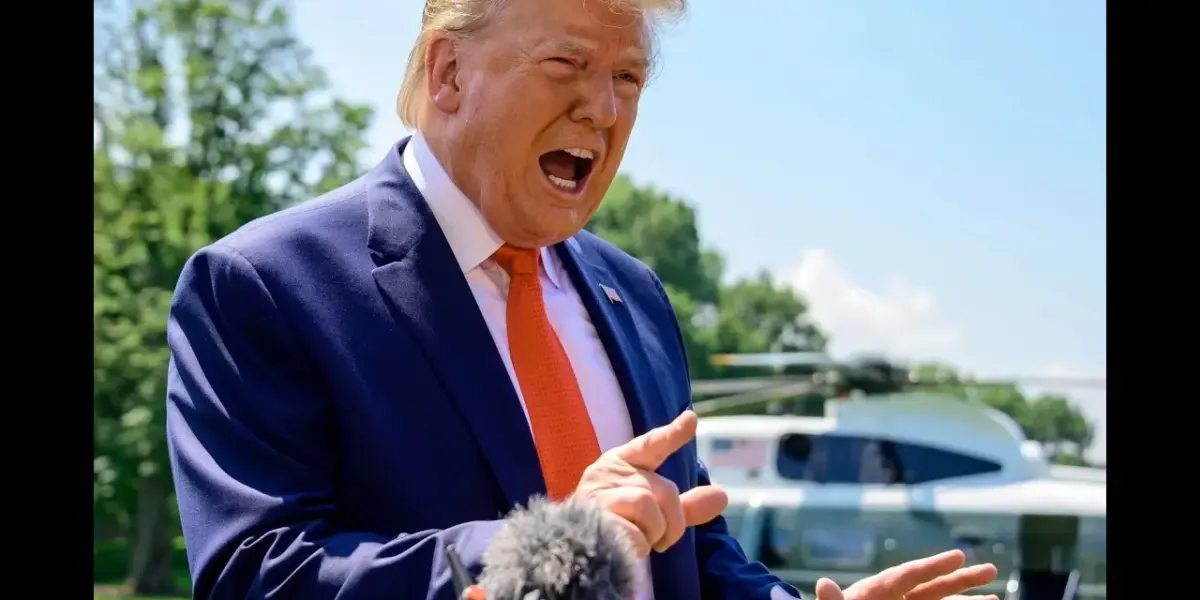
Trump’s Ballroom Obsession Exposes Self-Interest Amidst Public Hardship
Donald Trump recently took to social media to voice strong objections to a court ruling that halted the construction of a new ballroom at the White House. His lengthy post detailed the supposed security features of the ballroom, including bomb shelters and missile-resistant materials, arguing that its absence puts future presidents and world leaders at risk. Trump insisted the project was on budget and ahead of schedule, questioning why any complaints were not raised much earlier in the process.
This focus on the ballroom, described by Trump as a “historic and military imperative project,” stands in stark contrast to the everyday struggles faced by many Americans. The speaker highlighted issues like rising healthcare costs, cuts to food assistance, increasing prices for everyday goods, and the ongoing loss of American lives in the Middle East. The critique suggests that Trump’s priorities are fundamentally misaligned with the needs of the general population.
A History of Populist Promises vs. Elite Actions
The speaker pointed out that Trump’s campaign rhetoric often centered on helping the working class and addressing issues like housing and grocery costs. However, once in office, his administration enacted policies that allegedly benefited the wealthy, such as tax cuts for millionaires and billionaires, and reduced healthcare and food assistance for the needy. This pattern suggests a disconnect between his public image and his actual policy decisions.
The analysis draws a parallel between Trump’s focus on the ballroom and other personal expenditures, like retrofitting a jet and purchasing luxury aircraft. These actions are presented as evidence of a consistent pattern of prioritizing personal enrichment and lavish projects over the welfare of his constituents. The argument is that these expensive projects are undertaken while essential services and economic stability for ordinary Americans are neglected.
“When he wants to get something done, he gets it done.”
Misplaced Priorities and Public Perception
The speaker argues that Trump’s administration initiated a trade war, which increased the cost of goods, and launched a costly war in the Middle East. These decisions, along with others, are cited as reasons for surging gas and living expenses. The narrative suggests that while Trump claims to be too busy to address pressing national issues, he dedicates significant time and resources to projects that primarily benefit himself or his administration.
The transcript includes a segment where a commentator discusses how criticism of the ballroom might be a deliberate tactic to distract from other pressing issues. This perspective suggests that the focus on the ballroom is intended to provoke an emotional response, drawing attention away from policies affecting farmers, healthcare costs, and tariffs. The idea is that the administration wants the public to be angry about a tangible project rather than the broader economic and social impacts of their decisions.
The Core of the Argument: Self-Interest Over Public Good
A key point made is that Trump consistently finds time for initiatives that benefit him personally but neglects those that would help his supporters or the general public. This includes actions like quadrupling ACA premiums and gutting Medicaid, which directly harm millions of Americans. The speaker contends that these outcomes are not accidental but direct results of Trump’s lack of care for these specific populations.
The analysis concludes that Trump’s administration uses populist language to gain support but ultimately acts in its own self-interest. The lavish spending on personal projects, like the ballroom and expensive aircraft, is presented as proof that his true priorities lie with personal opulence. This is seen as a betrayal of the trust placed in him by voters who believed he would champion their needs.
Why This Matters
This discussion highlights a crucial debate about leadership priorities and accountability. It questions whether elected officials should focus on grand personal projects or on addressing the immediate economic and social needs of their citizens. The transcript suggests that a leader’s actions, particularly concerning resource allocation and policy decisions, reveal their true values and commitment to public service.
The contrast drawn between Trump’s focus on the ballroom and the struggles of everyday Americans is a call for voters to scrutinize the actions of their leaders. It highlights the importance of holding politicians accountable for their promises and ensuring that public resources are used for the collective good rather than personal gain.
Future Outlook
The ongoing debate over resource allocation and political priorities will likely continue to shape public discourse. As elections approach, voters will face decisions about which candidates best represent their interests and demonstrate a genuine commitment to improving the lives of all citizens. The emphasis on tangible results and the impact of policies on everyday Americans will remain a critical factor in these choices.
The speaker also promotes a new book, “The Day After: How to Wield Power in a Post-Trump World,” which aims to analyze and provide a blueprint for wielding power effectively in contemporary politics. This suggests a forward-looking perspective focused on how to navigate and influence the political landscape moving beyond the current era.
Source: Trump SNAPS, has FULL MELTDOWN as walls CLOSE IN (YouTube)

Related Articles

Trump Claims Strait Open, But Was It Ever Closed?
Donald Trump declared the Strait of Hormuz open, but critics question the actual gains given the conflict's cost. Reports from Iran contradict key claims, suggesting the strait may not have been fully closed. This situation raises concerns about accountability and the true impact of foreign policy decisions.

Trump’s Iran Deal Hypocrisy Fuels Political Firestorm
Reports suggest a potential $20 billion asset release to Iran, drawing accusations of hypocrisy against Donald Trump due to his past strong criticisms of similar deals. This controversy highlights ongoing debates about his negotiating tactics and foreign policy consistency. The situation also brings attention to broader themes of political accountability and the scrutiny of business dealings by political figures and their families.

Presidential Health: Can We Trust the Truth?
Questions about presidential health have become a recurring issue, impacting two consecutive presidencies. This raises concerns about transparency and the unchecked power held by the U.S. president. We need better systems to ensure the public receives accurate health information.