Iran Deal Nears Completion: Trump’s Strategy Forces Concessions
Talks to secure Iran's nuclear program are reportedly nearing completion, with a former Trump advisor asserting U.S. strategy has forced Iran's hand. Years of economic pressure have pushed Iran's economy to the brink, leading to potential concessions on enriched uranium removal.

Iran Deal Nears Completion: Trump’s Strategy Forces Concessions
Talks aimed at securing Iran’s nuclear program are reportedly close to a final agreement, with a former Trump administration advisor stating the U.S. has positioned Iran to accept its terms. This development follows years of economic and diplomatic pressure orchestrated by the Trump presidency. The advisor highlighted the dire state of Iran’s economy, teetering on the brink of collapse, as a key factor in forcing concessions.
Iran’s oil industry, a vital source of revenue, is described as being on the verge of collapse. This economic pressure is compounded by calls from Iran’s major trading partners, particularly China and Russia, urging Tehran to finalize a deal. The situation presents a “win-win-win” scenario, according to the advisor, attributing the success to President Trump’s systematic and unwavering approach.
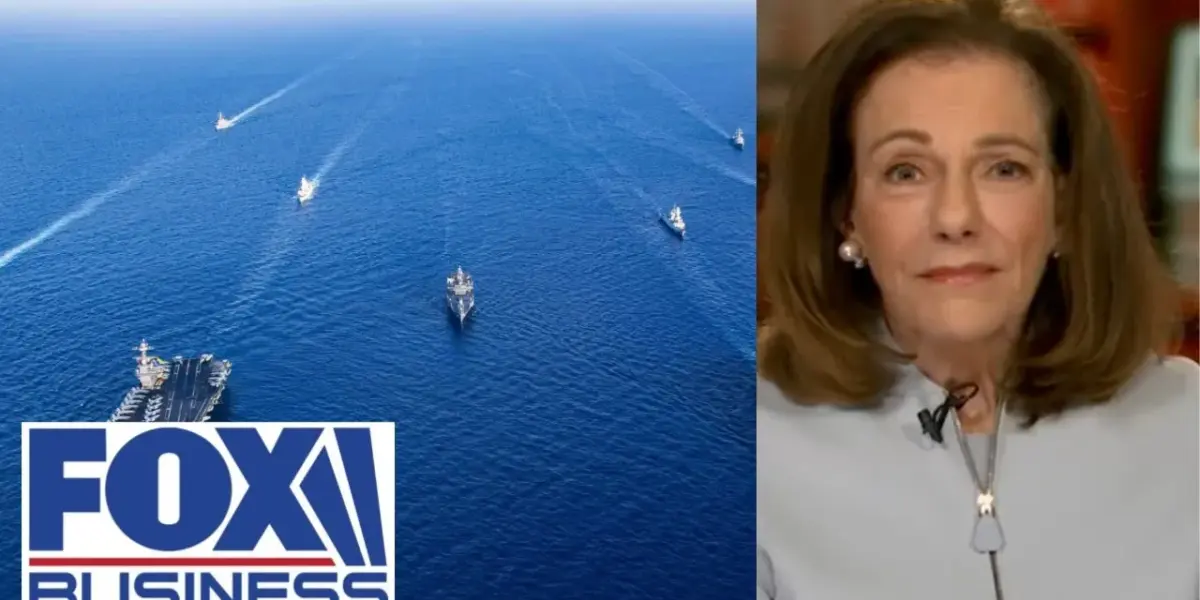
The strategy involved a careful calibration of military, economic, and diplomatic actions. A critical element was the blockade, which effectively countered Iran’s threat to close the Strait of Hormuz, a vital global shipping lane. This move is seen as the decisive action on the international chess board, leading Iran to the negotiating table under significantly weakened circumstances.
Key Deal Components Revealed
The advisor indicated that negotiations are nearly 100% complete, with most points already settled. A central demand from the United States involves U.S. personnel entering Iran to oversee the removal or destruction of its enriched uranium stockpile. This is considered a non-negotiable point, essential to preventing Iran from developing nuclear weapons.
Enriched uranium is a key ingredient for nuclear bombs. Without securing this material, Iran could continue its pursuit of nuclear capabilities. The presence of U.S. personnel is intended to verify that the enriched uranium is either destroyed or removed from Iranian territory, thereby neutralizing the immediate threat.
Shifting Global Dynamics and European Response
The situation marks a significant turn, with the U.S. effectively reversing Iran’s previous leverage over the Strait of Hormuz. The advisor also commented on the international response, noting that NATO allies, including the U.K. and France, are now seeking to join the effort after the initial crisis was averted. This comes after a period where European nations were perceived as unsupportive, even hindering U.S. military operations in the region.
The advisor characterized the European response as hypocritical. Countries that had previously predicted global economic turmoil and criticized President Trump’s policies are now rushing to be associated with the perceived victory. This shift occurred after the U.S. successfully defanged Iran’s immediate threat without resorting to military conflict, a feat described as an extraordinary achievement.
Internal Iranian Pressures and Economic Collapse
The political landscape within Iran has also shifted, with many top leaders reportedly eliminated. This includes figures from the military, intelligence, and political spheres. The current negotiations are primarily with civilian leaders, leaving the stance of the powerful Islamic Revolutionary Guard Corps (IRGC) uncertain.
However, the economic reality in Iran leaves little room for maneuver. The advisor projected that Iran’s economy could collapse within two weeks due to a lack of incoming goods, including essential consumer products.
Rampant inflation, already at 100% for foodstuffs, is expected to worsen. Iran’s inability to export oil means it is not generating revenue and may struggle to meet payroll for the IRGC.
Market Impact and Investor Outlook
The successful negotiation of this deal, if finalized, could lead to a significant de-escalation of tensions in the Middle East. This could potentially stabilize oil prices, which have been volatile due to concerns over the Strait of Hormuz. For investors, a more predictable geopolitical environment could reduce risk premiums associated with the region.
The economic pressure on Iran, leading to potential internal instability, also carries implications. While a collapse could create humanitarian concerns, it might also signal a long-term shift in regional power dynamics.
The U.S. strategy of economic sanctions and diplomatic isolation appears to have been effective in achieving its objectives without direct military engagement. This approach could serve as a model for future foreign policy interventions.
The coming weeks will be crucial in determining the final terms of the agreement and Iran’s compliance. The ability of the IRGC to accept the terms will be a key indicator of the deal’s long-term viability. The successful opening of the Strait of Hormuz without military action is being hailed as a major diplomatic and strategic victory.
Source: Iran more or less has to do what we say, former Trump advisor says (YouTube)

Related Articles
Nasdaq Surges: Best Week Since 1992 Fuels Market Rally
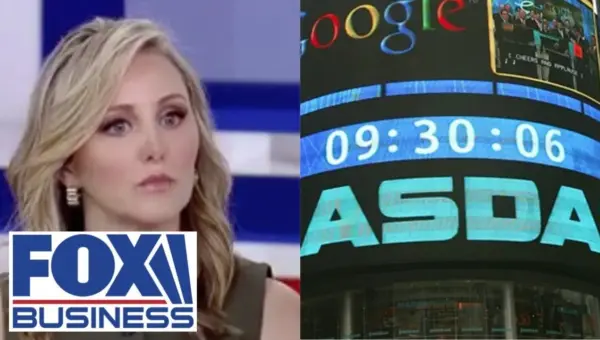
The Nasdaq index recorded its best week since 1992, driven by robust corporate earnings that show revenue up 12.5% and profits up 30%. Investors are gaining confidence as economic indicators suggest a stronger outlook than previously anticipated. Falling oil prices and a potential easing of geopolitical tensions are further supporting market optimism.


Markets Brace for Uncertainty Amid Geopolitical Tensions, AI Boom
Geopolitical tensions surrounding Iran are creating market uncertainty, but a booming artificial intelligence sector and a stable labor market are providing significant economic support. Investors are watching closely as AI investment continues to drive growth and buffer against potential downturns.
Trump Admin Accused of “Shady Takeover” at Kennedy Center
A former Kennedy Center curator alleges the Trump administration engaged in a "shady takeover," marked by questionable fundraising and spending priorities. Yosef Palermo claims proximity to President Trump was used for high-priced donations while the center neglected infrastructure. He is calling for Congress to protect cultural institutions from political interference.