US Navy Squeezes Iran with Maximum Pressure
The U.S. Navy's "maximum pressure" strategy, including a blockade of the Strait of Hormuz and enhanced sanctions, is forcing Iran to the negotiating table. This operation aims to curb Iran's nuclear ambitions and limit its regional influence. Analysts believe this combined economic and military approach is proving effective.

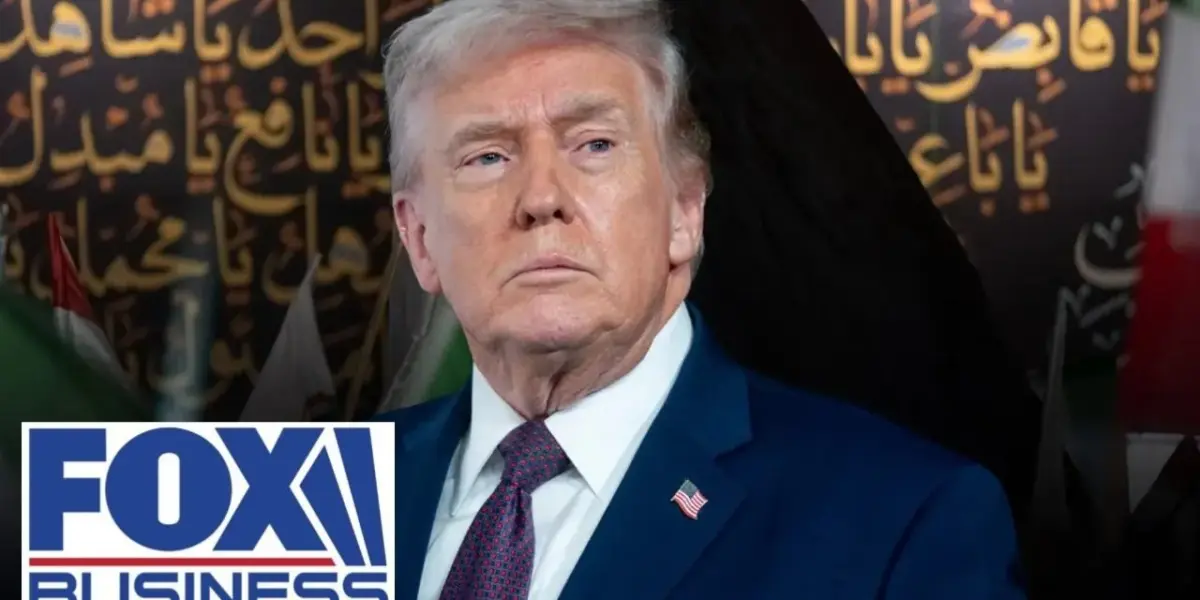
US Navy Squeezes Iran with Maximum Pressure
The U.S. Navy is applying significant pressure on Iran, effectively creating a chokehold that is forcing the nation to the negotiating table. Despite Iran’s recent announcements that have seen markets rally to record highs, the U.S. Navy’s control over key shipping lanes remains firm. This strategy is designed to push Iran towards addressing its nuclear program.
Rebecca Grant, from the Lexington Institute, explains that Iran is feeling the intense pressure, which likely prompted its recent public statements. While Iran has threatened various actions, it has yet to carry out any significant moves. This inaction is attributed to the U.S. Navy’s successful implementation of its plan, codenamed Operation Epic Theory.
Under this operation, U.S. Navy destroyers have been patrolling the Strait of Hormuz. Commercial shipping is permitted to pass through, but the naval blockade remains in place concerning Iran.
This blockade acts as a powerful tool, compelling Iran to engage in serious discussions, with the primary objective being its nuclear program. Experts believe Iran may try to buy time, using it as a weapon similar to oil barrels.
Sanctions and the Shadow Fleet
The expiration of sanctioned waivers on Iranian oil loading at sea adds another layer of pressure. Treasury Secretary Steven Mnuchin has stated that no further waivers will be granted. This means that the “darkly vessels” or “shadow fleet” tankers, currently waiting in the Gulf, may not be able to legally pick up oil.
Admiral Cooper of the U.S. Pacific Fleet has indicated that the fleet is closely monitoring these Iranian tankers. The Navy is prepared to use its destroyers and aircraft carriers to intercept them. This coordinated effort between the Treasury Department’s sanctions and the Pentagon’s naval actions aims to hunt down and interdict any Iranian vessels involved in illicit oil trade.
This strategy is designed to cut off Iran’s oil revenue, a critical source of funding. Analysts suggest that Iran may only have a couple of weeks before it must reduce oil production due to storage limitations. This is seen as maximum pressure being applied by the U.S. Navy.
Iran’s Nuclear Ambitions and Negotiations
Reports suggest that President Trump is confident Iran is ready to surrender its nuclear test material. However, Iran has not officially confirmed this claim. Grant notes that such discrepancies are common in public discussions, but Iran’s Foreign Minister showed eagerness to talk, indicating they are under pressure.
If Iran agrees to give up its nuclear program, President Trump is unlikely to stop until that objective is fully met. While sanctions relief could follow, Trump is determined to ensure Iran completely abandons its path toward nuclear weapons. This includes dismantling its nuclear infrastructure and halting missile development.
Grant highlights that Operation Epic Theory has been highly effective in limiting Iran’s ability to project power. The ongoing blockade is showing results, with Iran beginning to show signs of wavering. Dealing with Iran is notoriously difficult, but the combination of economic and military pressure appears to be achieving the desired outcome.
Regional Stability and Hezbollah
The article also touches upon the ceasefire between Israel and Lebanon. Questions arise about whether Iran-backed groups like Hezbollah might act in the Middle East to disrupt oil flow. However, Grant believes that such actions would likely be ineffective, similar to potential Houthi attacks in the Red Sea.
A significant factor in regional stability is the Lebanese President’s willingness to counter Hezbollah elements within Lebanon’s own government. This shift is seen as a major development, largely due to the military power that has been diminished and the sanctions on Iran, which limit its ability to fund groups like Hezbollah.
The current strategy of economic and military pressure is seen as bringing all the necessary elements together. The goal is peace in the Middle East, with Iran being the main obstacle. The U.S. strategy aims to corner Iran until it complies with international demands regarding its nuclear program.
Source: US Navy applying ‘maximum pressure’ on Iran: Rebecca Grant (YouTube)

Related Articles
Trump Claims Strait Open, But Was It Ever Closed?
Donald Trump declared the Strait of Hormuz open, but critics question the actual gains given the conflict's cost. Reports from Iran contradict key claims, suggesting the strait may not have been fully closed. This situation raises concerns about accountability and the true impact of foreign policy decisions.


Markets Brace for Uncertainty Amid Geopolitical Tensions, AI Boom
Geopolitical tensions surrounding Iran are creating market uncertainty, but a booming artificial intelligence sector and a stable labor market are providing significant economic support. Investors are watching closely as AI investment continues to drive growth and buffer against potential downturns.


Trump’s War Blunder Rocks Pentagon, Iran Strait Reopens
The Strait of Hormuz has reopened, offering a glimmer of hope for global economic stability, yet conflicting statements from the Trump administration sow confusion. Meanwhile, everyday Americans continue to grapple with the economic fallout of the war, including soaring gas prices and rising inflation, creating a stark divide between Wall Street's gains and Main Street's struggles.