Judge Dismisses Trump’s Lawsuit, Cites Lack of Proof
A Florida judge dismissed Donald Trump's $10 billion defamation lawsuit against the Wall Street Journal, citing a lack of evidence of malicious intent. The judge allowed Trump a chance to refile with an amended complaint, but proving malice may be difficult given the verified nature of the reported facts.

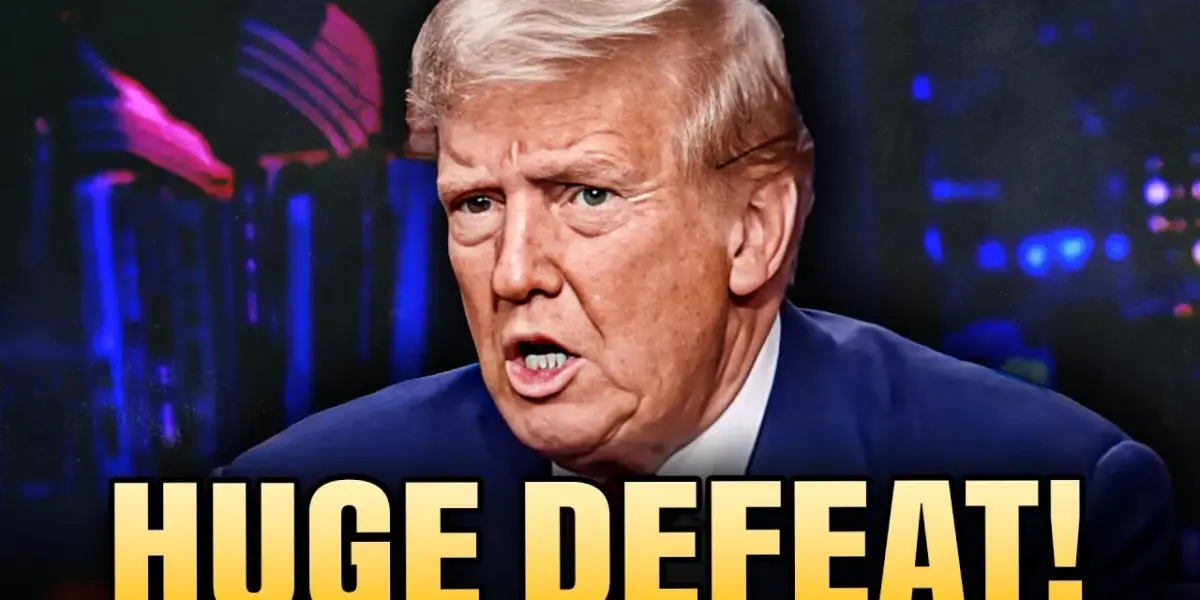
Judge Tosses Trump’s Defamation Suit Against Wall Street Journal
A recent ruling saw former President Donald Trump’s $10 billion lawsuit against the Wall Street Journal dismissed by a Florida judge. US District Judge Darren Gails made the decision, finding that Trump’s team had not yet proven malicious intent by the newspaper in publishing a story about a birthday card.
The lawsuit targeted Rupert Murdoch and the Wall Street Journal over a report concerning a birthday card Trump signed for Jeffrey Epstein. This card was later released by Congress as part of documents obtained from the Epstein estate. The real card, which matched the Journal’s reporting, had been publicly available for some time.
The Judge’s Decision and a Path Forward
Judge Gails dismissed the case but allowed Trump a chance to refile with an amended complaint. The judge stated that Trump needed to provide specific evidence showing the Wall Street Journal acted with malicious intent when they published the story. Without this proof of malice, the judge could not move the case forward.
The Wall Street Journal’s lawyers had argued that the story was not defamatory because the birthday card Trump signed was real. They presented the actual card, released from the Epstein estate, as evidence that their reporting was factually accurate. This made proving malicious intent difficult for Trump’s legal team.
Understanding Malice in Defamation Cases
In defamation law, proving malice means showing that the publisher knew the information was false or acted with reckless disregard for the truth. This is a high bar to meet, especially when the reported facts can be verified.
For example, if a newspaper reported that a company’s stock dropped 10% on Tuesday, and the stock price did indeed drop 10% on Tuesday, it would be hard to prove malice. The information was true and easily checked.
Analysis of the Ruling
The judge’s decision to allow Trump to amend his complaint suggests he wanted to ensure all legal avenues were explored. However, the core issue remains the difficulty in proving the Wall Street Journal acted with malicious intent.
Given that the birthday card Trump signed for Epstein was later verified and released by Congress, it appears challenging for Trump to demonstrate that the newspaper knowingly published false information or disregarded the truth. The card’s authenticity was confirmed through documents from the Epstein estate itself.
Historical Context and Legal Precedents
Legal battles involving public figures and defamation claims are not new. Courts often require a high standard of proof, particularly when the subject is a public figure and the reporting is based on verifiable facts.
Previous legal strategies have sometimes involved reframing arguments to meet specific legal requirements. This judge’s approach, offering a chance to amend the complaint, mirrors how some judges have guided parties in complex cases to refine their arguments.
Why This Matters
This dismissal highlights the importance of evidence in legal proceedings. It highlights that even high-stakes lawsuits require solid proof, especially when alleging defamation against news organizations.
The outcome also touches on the public’s right to information and the role of the press in reporting on matters of public interest. Verifiable facts, even those related to sensitive topics, are generally protected speech.
Future Outlook and Implications
Donald Trump now faces a choice: attempt to amend his complaint with evidence of malicious intent, or let the case rest. The success of an amended complaint would depend heavily on uncovering new evidence that meets the legal standard for malice.
If Trump cannot provide such evidence, the case will likely be permanently dismissed. This would mark a significant legal setback for the former president in his efforts to challenge reporting he deems unfavorable.
The situation also reflects ongoing scrutiny of public figures and their interactions with controversial individuals. The legal process continues to be a key arena where reputations and narratives are contested.
The Wall Street Journal, like other news outlets, will continue to report on matters of public interest. The legal system’s role is to ensure such reporting is both accurate and protected, while also providing recourse for genuine harm caused by falsehoods.
The next step for the Trump legal team is to decide whether to file an amended complaint. This decision is expected in the coming weeks.
Source: Trump Suffers MAJOR Legal Humiliation (YouTube)

Related Articles

Intelligence Chief Exposes Impeachment Plot, Congress Faces Scandals
Director of National Intelligence Tulsi Gabbard has released documents suggesting the 2019 Trump impeachment was based on a politically motivated narrative. Meanwhile, Congress faces scrutiny over ethics scandals involving former Congressman Eric Swalwell and the use of taxpayer funds for sexual harassment settlements. Congresswoman Elise Stefanik also discusses rising antisemitism and perceived radicalization at elite universities.


Trump Downplays Gas Prices Amid Voter Blame
President Trump stated gas prices are "not very high," but a recent poll shows 65% of voters blame him for the increase. Experts predict prices will remain high through fall, impacting voter concerns ahead of elections. The discussion also covers shifting voter coalitions and broader geopolitical implications.


GOP Faces Growing Panic as Trump’s Ratings Sink
Republicans are reportedly facing panic as Donald Trump's approval ratings sink, jeopardizing their slim majority. Economic woes, foreign policy missteps, and internal distractions are fueling frustration. A special election victory for a progressive Democrat in New Jersey is seen as a potential indicator of broader trends ahead of the midterms.