Trump Downplays Gas Prices Amid Voter Blame
President Trump stated gas prices are "not very high," but a recent poll shows 65% of voters blame him for the increase. Experts predict prices will remain high through fall, impacting voter concerns ahead of elections. The discussion also covers shifting voter coalitions and broader geopolitical implications.

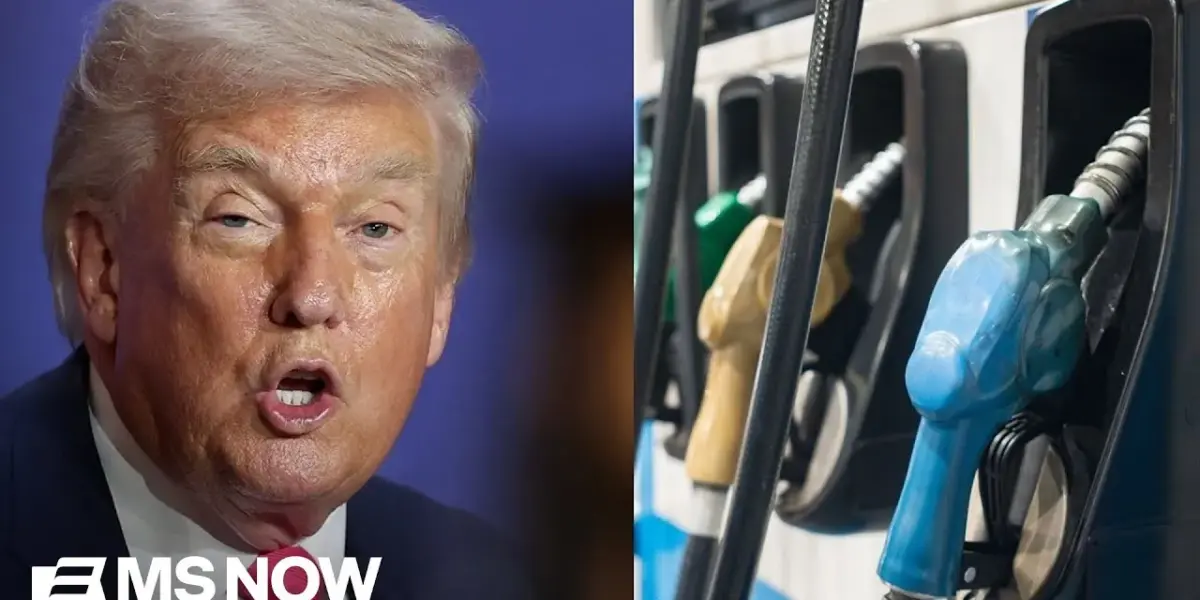
President Questions High Gas Prices, Voters Disagree
President Donald Trump recently stated that gas prices are “not very high,” suggesting they have fallen significantly. However, this assertion contrasts sharply with public sentiment and recent data.
The latest figures from AAA show gas prices have jumped 49% since January, with a gallon of regular gas costing nearly a dollar more than it did this time last year. This discrepancy has led to widespread voter concern.
A new Quinnipiac University poll reveals that 65% of registered voters blame Trump either “a lot” or “some” for the recent increase in gas prices. This suggests that many Americans feel the White House has not prioritized or seriously addressed the rising cost of living. The poll data indicates a significant disconnect between the President’s perception and the daily financial struggles faced by many households.
Economic Concerns Clash with Foreign Policy Focus
While the President’s focus appears to be on foreign policy matters like Iran and Venezuela, voters are more concerned with immediate economic issues. Republicans on Capitol Hill are reportedly feeling pressure to address the affordability crisis, especially with upcoming elections. Many in the party are looking to shift focus back to the economy, recognizing it as a top priority for voters.
Senator John Thune, the Majority Leader, has emphasized the need to return to the core issues that voters sent Republicans to Washington to address. The sentiment is that the administration has not delivered on the promise of a pre-pandemic economy, and current prices are higher than before recent global events. This has created a challenging situation for the party as they try to balance competing interests.
Voter Coalitions and Shifting Support
Analysis of voter data reveals interesting trends within the Trump coalition regarding support for foreign conflicts and the war in Iran. While a majority of Trump voters still support the war, this is lower than their typical alignment with the President on other issues. Hardline MAGA supporters and anti-woke conservatives show stronger backing, while mainline Republicans and younger voters express more opposition.
This internal division within the coalition highlights potential challenges for Republicans in future elections. For candidates who are not Donald Trump and are on the ballot in 2026, understanding these shifting allegiances is crucial. The data suggests that while the Trump coalition is broad, it may be experiencing some attrition on key issues, raising questions about its long-term stability.
Experts Weigh In on Gas Prices and Political Strategy
Economists suggest that gas prices are likely to remain high through the fall, regardless of immediate geopolitical developments. They explain this using the “rockets and feathers” theory: prices can shoot up quickly due to global instability but take much longer to come back down. Even if current conflicts are resolved, the effects on gas prices will linger, presenting an ongoing challenge for the administration.
Political analysts are observing frustration among congressional Republicans who feel the focus has drifted from core economic concerns. The recent special election in New Jersey, where a Republican candidate who distanced himself from Trump lost by a significant margin, highlights this point. The results suggest that voters are prioritizing economic relief over political alignment with the former president.
Broader Geopolitical Concerns and Alliances
Beyond domestic economic issues, the discussion touches on the broader geopolitical implications of current foreign policy. Concerns are raised about the impact of the approach to the Russia-Ukraine war and the questioning of NATO’s role. Some experts warn that such actions could fracture alliances and diminish American influence on the global stage.
The article notes a perceived inconsistency in foreign policy, contrasting the approach to Israel and Hamas with that towards Russia and Ukraine. The ongoing debate highlights the complex interplay between domestic politics, economic pressures, and international relations. As the political landscape evolves, voters will be looking for leaders who can effectively address both immediate concerns and long-term global challenges.
Looking Ahead: Focus on Affordability and Alliances
As the nation heads towards future elections, the focus on affordability and economic stability is expected to intensify. The current administration faces the challenge of convincing voters that it is addressing their most pressing concerns. Meanwhile, the strength and direction of key international alliances will continue to be a significant factor in global affairs.
Voters are watching closely to see how leaders will navigate these complex issues. The upcoming months will likely bring further debate on economic policy and America’s role in the world. The outcomes of these discussions could shape political strategies and voter decisions for years to come.
Source: Trump says gas prices 'not very high,' but 65 percent blame him 'a lot' or 'some' for rise in price (YouTube)

Related Articles


Middle East Ceasefire Holds Amidst Global Weather, Economic Concerns
A fragile ten-day ceasefire between Israel and Lebanon has been announced, offering a glimmer of hope in the Middle East. Meanwhile, the U.S. grapples with widespread extreme weather, from heatwaves on the East Coast to severe storms and flooding in the Midwest. Economic concerns are rising as consumer prices jump and Europe faces a potential energy crisis, while political developments and a personal tragedy in Virginia also capture national attention.

GOP Faces Growing Panic as Trump’s Ratings Sink
Republicans are reportedly facing panic as Donald Trump's approval ratings sink, jeopardizing their slim majority. Economic woes, foreign policy missteps, and internal distractions are fueling frustration. A special election victory for a progressive Democrat in New Jersey is seen as a potential indicator of broader trends ahead of the midterms.

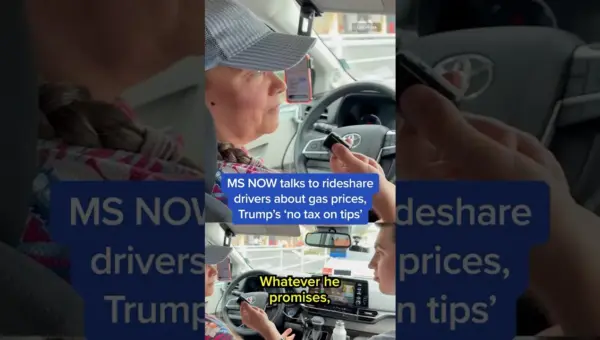
Drivers Say Gas Prices Trump ‘No Tax on Tips’ Promise
Rideshare drivers in Las Vegas say rising gas and grocery prices are canceling out any benefits from the 'no tax on tips' policy. They feel economic pressures are making it harder to earn a living, despite promises of tax relief. Their experiences highlight the disconnect between political proposals and daily financial struggles.