Trump Brokers Israel-Lebanon Ceasefire, Eyes White House Summit
President Trump has announced a 10-day ceasefire between Lebanon and Israel, inviting their leaders to the White House for potential peace talks. The truce faces challenges from Hezbollah's demands and Israel's continued occupation of some areas. Diplomatic efforts with Iran also continue, focusing on nuclear non-proliferation.

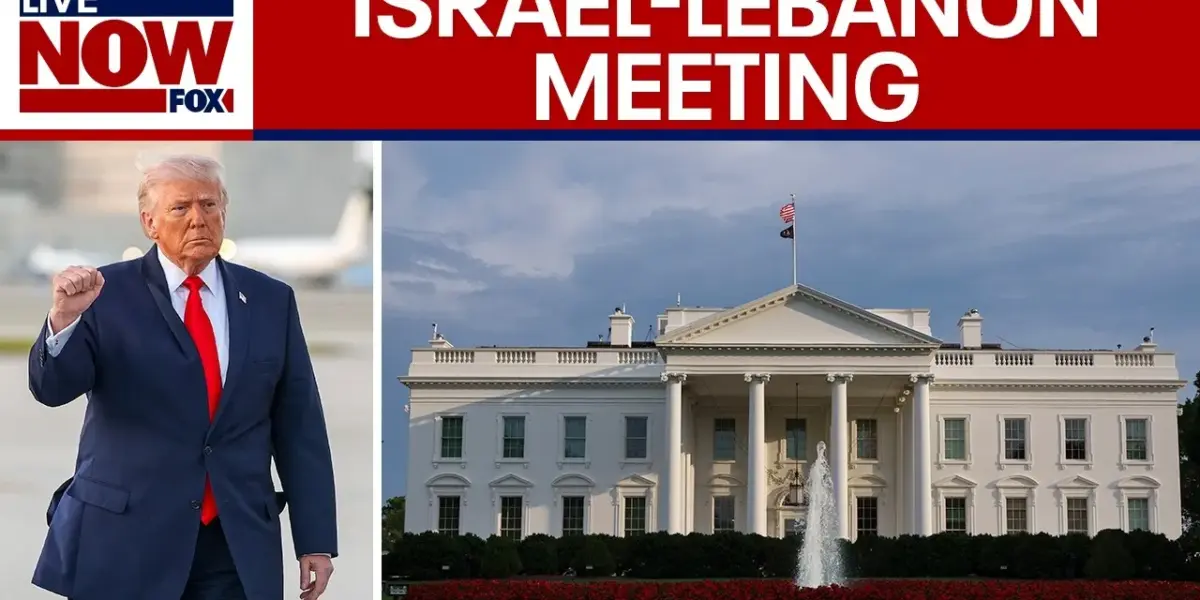
Trump Announces Israel-Lebanon Truce, Invites Leaders to White House
President Donald Trump announced a 10-day ceasefire between Lebanon and Israel, calling it a potentially historic moment. The announcement came as the United States continues diplomatic efforts regarding Iran and its regional influence. Trump expressed optimism about the truce, stating, “Good things are happening.” He also indicated an intention to invite the leaders of Lebanon and Israel to the White House to discuss a potential peace agreement.
Ceasefire Aims to Halt Hostilities, Facilitate Negotiations
The 10-day ceasefire aims to provide a window for broader negotiations on security and peace between Lebanon and Israel. This development follows direct meetings between Lebanese and Israeli officials in Washington, D.C., facilitated by Secretary of State Mike Pompeo. These discussions, described as positive, mark a significant step after decades of strained relations.
However, experts express caution about the short timeframe. “The time frame is very short and limited, given the multiple issues that they have,” noted Ahmad Sharawari of the Foundation for Defense of Democracies. He added that reaching a comprehensive agreement in just 10 days may be challenging.
Hezbollah’s Role and Fragile Truce
The ceasefire’s success is complicated by the stance of Hezbollah, a powerful Lebanese political party and militant group. Hezbollah issued a statement demanding a comprehensive ceasefire across all Lebanese territory, with no Israeli freedom of movement. Israel, meanwhile, stated its intention to continue occupying certain areas in southern Lebanon during the truce.
Sharawari highlighted the fragility of the situation, noting the lack of explicit commitment from the Lebanese state to disarm Hezbollah. He stated, “Hezbollah has said that continuing Israeli occupation grants Lebanon the right to resist.” This tension raises concerns about the potential for renewed conflict.
Historical Context of Israeli-Lebanese Relations
The conflict between Israel and Lebanon has a long and complex history. Israel intervened in Lebanon twice during the Lebanese Civil War, first in 1978 and again between 1982 and 2000. During the latter period, there were efforts to establish a peace treaty, but these were ultimately unsuccessful.
Past attempts at peace agreements faced significant internal opposition within Lebanon. The Lebanese government’s willingness to engage directly with Israel, especially under potential U.S. pressure, will be crucial. A direct meeting between the Lebanese and Israeli presidents could signal a shift in Lebanon’s approach to normalization, potentially challenging groups opposed to peace.
Diplomatic Push with Iran Continues
Alongside the Israel-Lebanon developments, the Trump administration is actively engaged in diplomatic efforts with Iran. Following a blockade implemented on Iran, Pakistan has been mediating talks between the U.S. and Iran. President Trump has indicated that negotiations might resume soon, suggesting proximity to a deal.
Key non-negotiables in any potential deal with Iran revolve around its nuclear enrichment program and highly enriched uranium. The U.S. seeks to prevent Iran from acquiring nuclear weapons. Discussions are expected to focus on enrichment levels, potential U.S. oversight of enrichment sites, or the transfer of enriched uranium to a third country.
Concerns Over Human Rights in Iran
The interview also touched upon the dire human rights situation in Iran, including reports of the impending execution of female protesters. Sharawari expressed disappointment over the relative international quiet surrounding the deaths of thousands of protesters in Iran. He noted that the issue is broader than individual instances, highlighting a perceived lack of strong international condemnation.
Looking Ahead: Accountability and Diplomacy
Moving forward, the focus remains on holding the Lebanese government accountable for disarming Hezbollah. Sharawari stressed that U.S. pressure is needed to ensure Lebanon takes concrete steps to degrade Hezbollah’s military capabilities. Simultaneously, diplomatic channels with Iran are being pursued, though military readiness in the region suggests a dual approach of dialogue and deterrence.
Source: Trump says Israel-Lebanon leaders could meet at White House (YouTube)

Related Articles

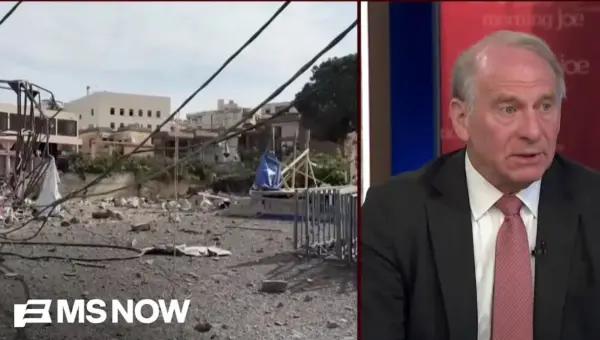
US Eyes Iran Deal Amidst Shifting Diplomacy and Key Variables
The White House is expressing optimism about reaching a deal with Iran to end the war, with mediators working behind the scenes. Key developments include a potential ceasefire agreement between Israel and Lebanon, though Hezbollah's exclusion is noted. Economic pressure through a blockade is seen as a significant factor, but major variables like President Trump and regional leaders introduce uncertainty.
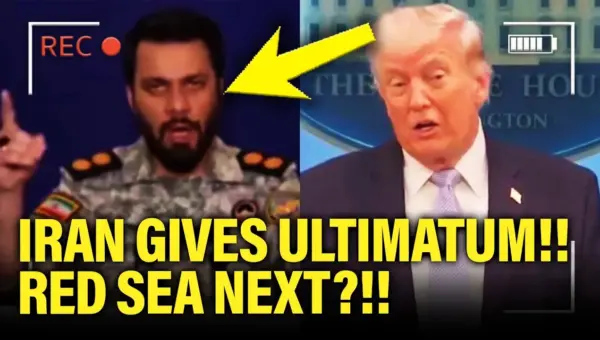
Iran’s Red Sea Threat: A Geopolitical Tightrope
Iran has issued a stark ultimatum, threatening to block the Bab el-Mandeb Strait in the Red Sea if its demands are not met. This escalation comes amid strained U.S. military resources, low morale among troops, and ongoing geopolitical negotiations with uncertain outcomes. The potential disruption to global shipping raises concerns of economic instability and a potential food crisis.


Middle East Ceasefire Holds Amidst Global Weather, Economic Concerns
A fragile ten-day ceasefire between Israel and Lebanon has been announced, offering a glimmer of hope in the Middle East. Meanwhile, the U.S. grapples with widespread extreme weather, from heatwaves on the East Coast to severe storms and flooding in the Midwest. Economic concerns are rising as consumer prices jump and Europe faces a potential energy crisis, while political developments and a personal tragedy in Virginia also capture national attention.