Pentagon Sermon Mixes Scripture with ‘Pulp Fiction’
A recent Pentagon prayer service saw official Pete Hegseth quote "Pulp Fiction" as if it were a Bible verse. This incident sparks debate about sincerity in public religious displays and the perceived tendency of some political figures to prioritize image over substance, likening their approach to filmmaking.

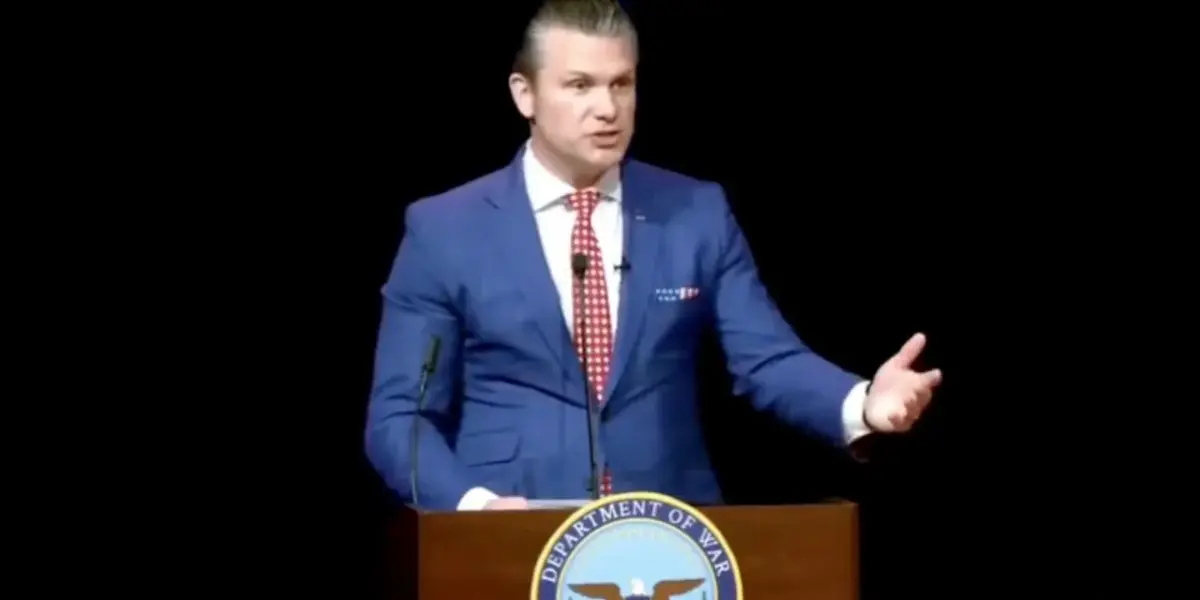
Pentagon Sermon Mixes Scripture with ‘Pulp Fiction’
During a recent prayer service at the Pentagon, an official delivered a message that sounded strikingly familiar, but not in a way that suggested deep religious knowledge. The speaker, Pete Hegseth, quoted a passage that he presented as scripture. However, the words he used were actually lines from the popular movie “Pulp Fiction.” This incident raises questions about sincerity and the blending of faith with entertainment in public discourse.
Hegseth recited, “The path of the downed aviator is beset on all sides by the iniquities of the selfish and the tyranny of evil men. Blessed is he who in the name of camaraderie and duty shepherd the lost through the valley of darkness.
For he is truly his brother’s keeper and the finder of lost children. And I will strike down upon thee with great vengeance and furious anger those who attempt to capture and destroy my brother.” This powerful-sounding statement was presented as a prayer.
The issue quickly became apparent as the delivery closely mirrored the famous “Ezekiel 25:17” speech from “Pulp Fiction.” In the movie, the character Jules Winnfield, played by Samuel L. Jackson, delivers a similar, albeit more violent, monologue. The striking similarity led to immediate confusion and criticism, highlighting a potential misunderstanding or misrepresentation of religious texts.
Faith and Public Image
For figures who often emphasize their strong religious convictions, such a mix-up can be particularly damaging. The administration and its allies frequently present themselves as devout individuals, often contrasting their faith with those who hold different views. This event, however, seemed to contradict that carefully crafted image, leading some to question the depth of their religious understanding.
This is not the first time public figures have faced scrutiny for their religious statements. Throughout history, leaders have used faith to connect with constituents, and any perceived insincerity can erode trust. In this case, quoting a movie during a religious service, especially one held at a place as significant as the Pentagon, is seen by many as a serious misstep.
The incident also brings to light the broader trend of political figures using religious language and imagery. While some see this as a genuine expression of belief, others view it as a political strategy. The “Pulp Fiction” quote, intended to sound authoritative and spiritual, instead came across as a borrowed line from popular culture.
The “Movie” Administration
The analysis of the situation extends beyond the specific quote. It touches on a broader critique of how certain political figures approach their roles, likening it to directing a movie rather than governing a nation. This perspective suggests a focus on appearances and dramatic effect over substantive policy or genuine conviction.
This approach, according to the critique, prioritizes visuals and perceived charisma. Decisions might be made based on how they look or sound, rather than their practical impact. For instance, the rollback of certain immunization recommendations by the CDC, which oversees health policy, is presented as an example of prioritizing a particular narrative over public health measures.
The commentary draws parallels between this perceived focus on image and the entertainment industry. It suggests that, like a filmmaker, the goal is to create a compelling story and market it effectively, even if the underlying substance is flawed. This includes using AI-generated videos or altered images to shape public perception.
Why This Matters
This incident is significant because it highlights the tension between public personas and private authenticity, particularly for those in positions of power. When religious or moral claims are made, the public has a right to expect sincerity and accuracy.
The blending of movie quotes with religious sermons, and the broader critique of governance as filmmaking, suggests a potential disconnect. It raises concerns about whether actions and pronouncements are rooted in genuine belief or strategic performance. This can impact public trust in institutions and leaders.
The misuse or misattribution of religious texts can be seen as disrespectful to those who hold those beliefs sacred. It can also trivialize important spiritual messages, turning them into mere talking points or cultural references.
Historical Context and Future Outlook
Throughout history, leaders have drawn upon religious texts and imagery to inspire and unite their followers. From presidential prayers to national mottos, faith has often played a role in public life. However, the context has always been one of perceived authenticity.
The current environment, characterized by a 24/7 news cycle and the pervasive influence of social media, allows for rapid dissemination of information and criticism. This means that gaffes or perceived hypocrisies can be amplified quickly, leading to widespread public debate.
Looking ahead, it will be interesting to see how public figures navigate the intersection of faith, politics, and media. The incident with Pete Hegseth is a reminder that today, authenticity and accuracy are increasingly important. The public is more likely to scrutinize claims, especially when they involve deeply held beliefs.
The trend of using entertainment-style tactics in politics may continue, but the public’s reaction to such methods will likely shape their effectiveness. As one author suggests in their new book, understanding how power is wielded and how narratives are constructed is crucial for navigating the future of politics.
The book, “The Day After: How to Wield Power in a Post-Trump World,” explores these themes, focusing on the use and misuse of power. It aims to provide a blueprint for how progressives can effectively use power, moving beyond simply restoring the status quo.
Source: Pete Hegseth CAUGHT spewing FAKE Bible verse | Another Day (YouTube)

Related Articles


Pope Slams Trump’s ‘Tyrants’ Amidst Religion Row
Pope Leo XIV has publicly criticized "tyrants" and the misuse of religion for political gain, sparking backlash from Donald Trump and his allies. The podcast hosts discuss this conflict, arguing that some politicians exploit faith as a "grift." This clash highlights the growing tension between religious authority and political power.


Pentagon Defends Pastor, Trump Rallies on Iran Peace Deal
Defense Secretary Pete Hegseth is facing impeachment calls over his aggressive rhetoric towards Iran, which Democrats describe as potentially criminal. Meanwhile, President Trump announced progress on a deal with Iran regarding its nuclear program and a ceasefire between Israel and Lebanon, though some of these announcements appeared to surprise allies. The Pentagon is defending Hegseth's controversial sermon, which included a quote famously from the movie "Pulp Fiction."


Hegseth Invokes Fictional Scripture, Blurring Faith and Film
Pete Hegseth recently quoted a passage resembling biblical scripture, but it was actually from the movie Pulp Fiction. The fictional verse, adapted from a movie script, raises questions about authenticity and source verification in public discourse. This incident highlights the blurred lines between faith, film, and factual representation.