Trump’s Power Play: Humiliating Allies to Cement Control
Donald Trump's strategy of publicly pressuring allies like JD Vance and criticizing figures like the Pope is analyzed as a method to ensure absolute loyalty. This tactic aims to consolidate power by forcing public displays of subservience and preventing any perception of challenge to his authority.

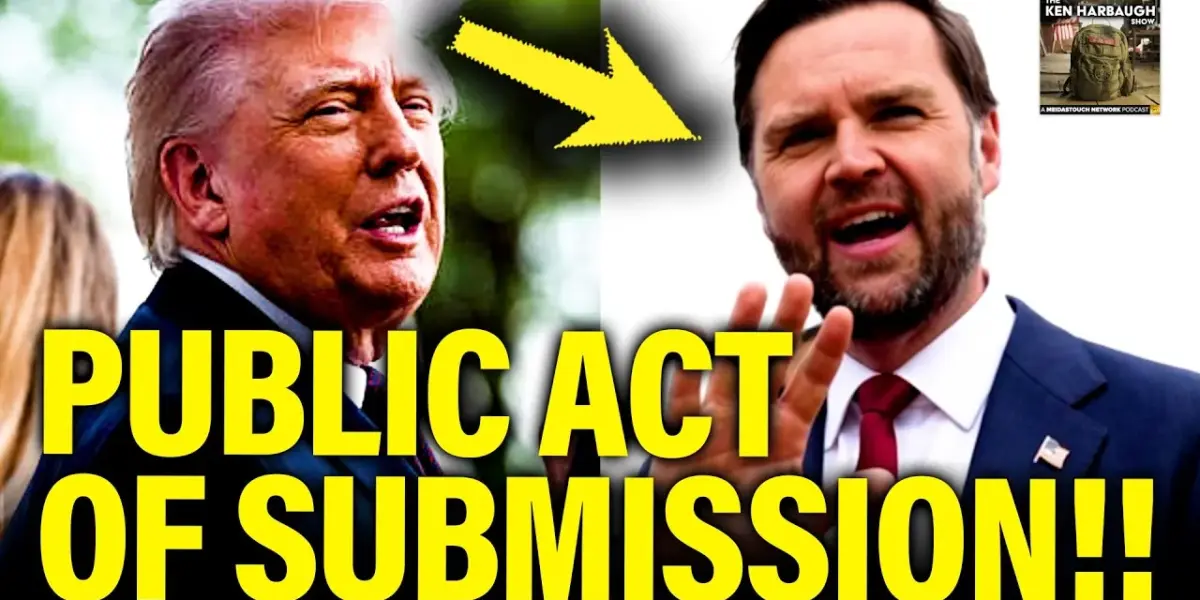
Trump’s Power Play: Humiliating Allies to Cement Control
Donald Trump has a unique way of keeping his allies in line, often through public displays of control and, at times, what some see as deliberate humiliation. This strategy appears to be at play with JD Vance, the current Vice President, and even extends to figures like the Pope. The tactic seems designed to ensure absolute loyalty and prevent any perceived challenges to Trump’s authority.
The analysis suggests that Trump doesn’t like people who appear to have loyalties elsewhere. This is particularly evident in his reactions to JD Vance’s public expressions of Catholicism and his recent book about his faith. Trump, it seems, wants to be the ultimate authority, even above religious devotion.
Vance’s Public Trials
JD Vance has recently been sent on a series of challenging assignments, from Hungary to Pakistan. These missions, aimed at dealing with complex international issues like the war with Iran, appear to have been set up for failure. The goal, according to the commentary, was to make Vance the face of any resulting problems, rather than Trump himself.
These assignments are seen as more than just difficult tasks. They are described as “humiliation rituals,” designed to force Vance to publicly bow down to Trump. This is especially true when Vance has to publicly support decisions he privately questioned, like the potential for war with Iran.
The Pope as a Proxy Battle
Trump’s public criticism of the Pope is also viewed through this lens of control. The Pope, representing the ultimate authority in Catholicism, becomes a symbol Trump feels compelled to challenge. This isn’t necessarily about specific policies but about asserting dominance.
The Pope, however, handled these attacks with grace, as the transcript notes. He responded by stating his commitment to the message of the gospel and peacemaking, rather than engaging in political back-and-forth. This response is seen as masterful, effectively turning Trump’s attacks back on him.
Why This Matters
This pattern of behavior reveals a core aspect of Trump’s political style: the demand for absolute subservience. Allies are expected to prioritize Trump’s needs and image above all else, including their own beliefs or public roles.
The strategy aims to consolidate power by ensuring no one around Trump can be seen as a potential rival or independent force. By forcing public displays of loyalty, even to the point of personal or professional discomfort, Trump keeps his inner circle focused on him.
Historical Context and Background
This approach isn’t entirely new for Trump. Observers point to his past relationships, where he would often publicly embrace a new associate or partner before officially moving on from a previous one. This pattern suggests a consistent method of managing his public image and relationships.
The transcript compares this to how Trump might have treated past romantic partners. He would often be seen with a new person before ending things with his current partner. This creates a narrative of constant forward momentum and leaves little room for established relationships to hold sway.
The JD Vance Situation: A Deeper Dive
JD Vance’s journey from being a critic of Trump to a strong supporter is a key example. The commentary highlights how Vance has publicly shifted his stance, even going from calling Trump “America’s Hitler” to being a staunch defender. This evolution is seen as a demonstration of his willingness to adapt to Trump’s demands.
The book Vance recently published about his Catholic faith also plays a role. It’s interpreted as a step towards positioning himself for future leadership. However, this move also creates a potential conflict, as Trump dislikes any indication that his allies might be eyeing higher office without his explicit approval.
The Pope Controversy and its Fallout
Trump’s attacks on the Pope, particularly his own depiction as Jesus Christ, have caused a stir even within some conservative circles. While many evangelicals have supported Trump, this particular move has been seen by some as crossing a line.
This has led to some unusual commentary, with figures like Tucker Carlson and Alex Jones even suggesting Trump might be embodying characteristics of the Antichrist. While these are extreme takes, they highlight a growing discomfort among some segments of his base with certain symbolic actions.
Future Outlook
The strategy of public humiliation and demand for absolute loyalty seems to be Trump’s ongoing method for maintaining control. It forces allies to constantly prove their devotion, making them less likely to stray or challenge him.
As the political landscape evolves, this tactic will likely continue to shape Trump’s relationships with his supporters and potential successors. The question remains how long these allies can withstand such intense pressure and public scrutiny.
Looking Ahead
The commentary suggests that the public’s perception of these events is crucial. The analysis encourages viewers to recognize that when figures like Tucker Carlson and Alex Jones express similar sentiments about Trump, it’s not that those figures have suddenly become sane, but rather that their views may be aligning with a growing, albeit perhaps fringe, concern.
The next major political event or public statement from Donald Trump will likely offer further insight into how these dynamics continue to play out. The ongoing narrative suggests a constant testing of boundaries and a demand for unwavering allegiance.
Source: Trump forces Vance into PUBLIC HUMILIATION (YouTube)

Related Articles

Trump’s Lawsuit Backfires, Exposing Epstein Ties
Donald Trump's lawsuit against the Wall Street Journal over a letter to Jeffrey Epstein has been dismissed, but his decision to refile may backfire. The refiled case could force Trump into a deposition, exposing his controversial ties to Epstein.
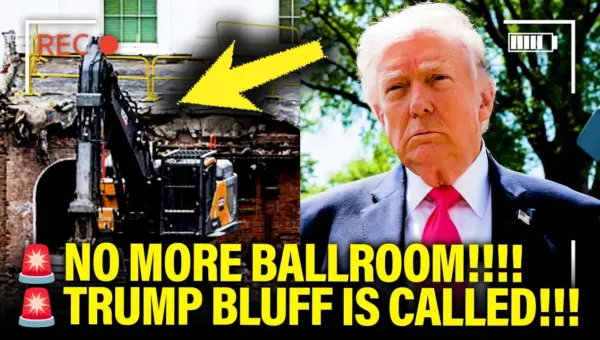
Judge Blocks Trump’s Ballroom Dream at White House
A federal judge has ruled against Donald Trump's plan to build a 90,000-square-foot ballroom at the White House. While underground construction for security facilities is permitted, the above-ground ballroom has been blocked due to lack of congressional approval. The case highlights the balance of power between the president and Congress regarding federal property.


Pope Slams Trump’s ‘Tyrants’ Amidst Religion Row
Pope Leo XIV has publicly criticized "tyrants" and the misuse of religion for political gain, sparking backlash from Donald Trump and his allies. The podcast hosts discuss this conflict, arguing that some politicians exploit faith as a "grift." This clash highlights the growing tension between religious authority and political power.