Iran Faces $435M Daily Hit From Economic Blockade
Iran is reportedly losing $435 million daily due to an economic blockade aimed at preventing its nuclear ambitions. This pressure follows decades of mismanagement and sanctions, weakening the nation's financial standing. The situation highlights global geopolitical risks and potential market volatility.

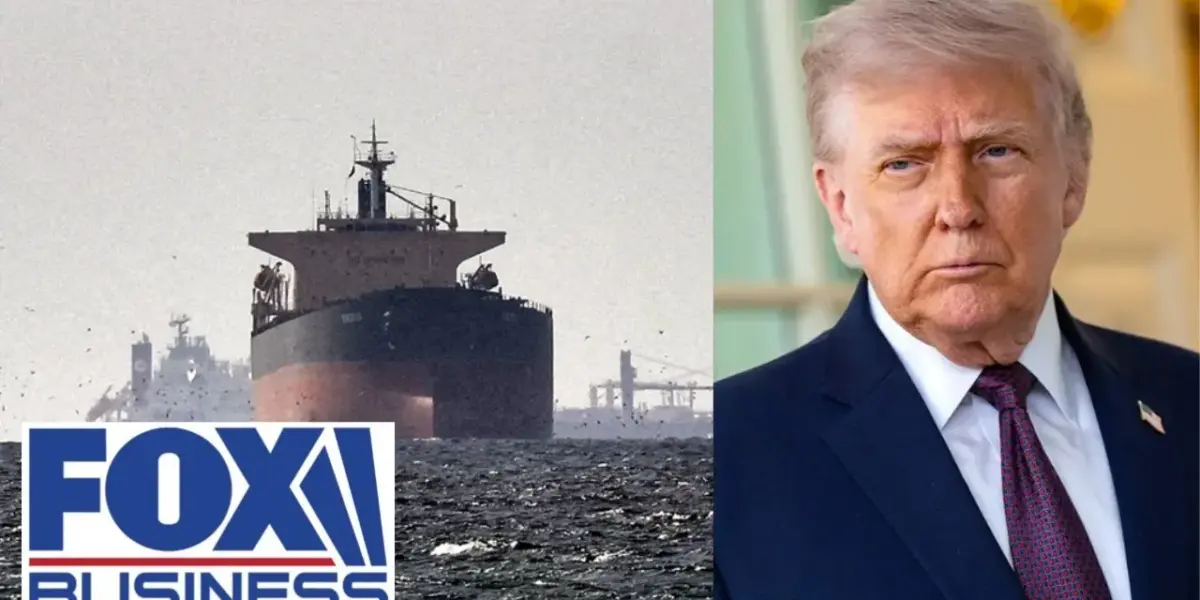
Iran Faces Severe Economic Pain Amid Blockade Campaign
Iran is currently experiencing significant economic pressure, with estimates suggesting the nation is losing approximately $435 million each day the economic blockade remains in place. This financial squeeze is a key component of a strategy aimed at preventing Iran from developing nuclear weapons. The pressure comes after decades of economic mismanagement and existing U.S. sanctions, which have already weakened the country’s financial standing.
Nathan Sales, a former U.S. counterterrorism official, described the current situation as a “MAXIMUM ECONOMIC PRESSURE” campaign. He believes this strategy is designed to inflict severe economic pain on the Iranian regime.
The goal is to force Iran to halt its pursuit of nuclear weapons and to negotiate. This approach aims to achieve its objectives through economic hardship rather than military conflict.
Uranium Enrichment and Nuclear Ambitions
A central concern driving these economic measures is Iran’s nuclear program. Reports indicate that Iran possesses nearly 1,000 pounds of enriched uranium, enough material for multiple nuclear bombs.
The International Atomic Energy Agency (IAEA) has been closely monitoring Iran’s nuclear activities. The question remains whether Iran will hand over its enriched uranium or if military action will be required to secure it.
Sales emphasized that Iran cannot be allowed to retain its nuclear material, as it preserves a clear path to developing a nuclear bomb. The current administration’s strategy involves a return to the economic pressure campaign that preceded the current talks. This blockade is seen as capable of imposing extremely severe economic hardship on the regime.
The Strait of Hormuz and Naval Blockades
The Strait of Hormuz, a vital waterway for global oil shipments, is often mentioned in discussions about potential pressure points. A naval blockade in this region could significantly disrupt global trade and further isolate Iran economically. Military officials have indicated a readiness to transition naval operations to enforce blockades if necessary, potentially with even greater power than before.
The U.S. military has demonstrated its capability to shift from major competitive world class blockades to other strategic operations. This suggests a flexible approach, ready to apply pressure through various means. The aim is to ensure Iran never obtains a nuclear weapon, preferably through diplomacy but with the option of forceful measures if needed.
Iran’s Economic Fragility
Recent negotiations indicate that Iran’s economy is currently teetering on the edge. During talks, Iranian officials focused on seeking economic relief and the lifting of sanctions.
They also requested the release of frozen assets. This focus on economic matters suggests the regime is feeling the intense pressure of the blockade and its impact on the nation’s finances.
The economic blockade is viewed as a tool that could push Iran’s economy over the edge. However, the effectiveness of such a blockade relies on sustained commitment.
The White House must have the patience to see this strategy through, as economic pressure can take time to produce significant results. It may take weeks, or even a month, for the current economic house of cards to fully collapse.
What Investors Should Know
The intensifying economic pressure on Iran, particularly the daily loss of $435 million due to the blockade, highlights the global impact of geopolitical tensions. Investors should monitor how these economic sanctions and potential disruptions, especially concerning the Strait of Hormuz, could affect energy markets and global supply chains. The situation highlights the financial risks associated with geopolitical instability in the Middle East.
The potential for prolonged economic hardship in Iran could lead to increased volatility in regional markets. Investors may want to consider sectors and assets that are less exposed to Middle Eastern geopolitical risks. Understanding the duration and effectiveness of the economic blockade will be crucial for assessing its long-term impact on Iran’s economy and its trading partners.
Source: This is a ‘MAXIMUM ECONOMIC PRESSURE’ campaign, former counterterrorism official says (YouTube)

Related Articles


Iran Faces Economic Collapse Amid Trump’s Blockade Strategy
Iran faces severe economic pressure from a U.S.-led blockade, potentially leading to its collapse. Analysts believe President Trump's strategy of taking adversaries' threats seriously, combined with economic sanctions, is designed to force Iran's unconditional surrender on nuclear and regional issues.


Trump’s Iran Policy Fuels Market Gains, Analysts Say
President Trump's strategy of imposing a crippling economic blockade on Iran is reportedly leading to its financial collapse and contributing to record highs in the stock market. Analysts suggest this decisive foreign policy, combined with pro-growth tax cuts, is creating a favorable environment for investors.


Trump Claims Iran Deal: A Leap of Faith or Risky Gamble?
President Trump claims Iran has agreed to surrender its enriched uranium, potentially ending the war. However, skepticism remains high due to Iran's history of deception, and significant military movements suggest conflict is still a strong possibility. The situation is fluid, with verification and trust being key.