Democrats Fight Corruption With Bold New Policies
New York City's mansion tax and other Democratic initiatives highlight a growing focus on fighting corruption and economic inequality. Politicians are pushing for policies that aim to redistribute wealth and increase government accountability, seeking to connect with voters through clear messaging and tangible reforms.


Democrats Fight Corruption With Bold New Policies
New York City is leading the charge with a groundbreaking tax targeting wealthy individuals who own luxury properties but don’t live in the city. Mayor Eric Adams announced the city’s first “mansion tax” on properties over $5 million. This annual fee specifically aims at the richest of the rich who park their money in New York real estate without contributing to the city’s daily life.
This new tax is designed to fund vital city services, promising at least $500 million annually. These funds are earmarked for things like free child care, cleaner streets, and safer neighborhoods. Mayor Adams emphasized that everyone should contribute to the city’s well-being, with some expected to contribute a bit more than others.
This move by Mayor Adams is part of a larger trend where Democrats are actively pushing messages focused on anti-corruption and fairness. This approach goes beyond just creating good policies; it’s about effectively communicating these ideas to the public, much like Donald Trump has done. The goal is to connect with voters on a deeper level by addressing issues that directly impact their lives.
Iowa’s Fight Against Misuse of Funds
In Iowa, Rob Sand is running for governor with a strong focus on tackling corruption. As the state auditor, Sand has a proven track record of uncovering and stopping the misuse of taxpayer money. His efforts were so impactful that Republicans even changed state laws to limit his power.
Sand’s core message is simple: stealing is wrong, and stealing from taxpayers should be unacceptable. If elected governor, he plans to make jail time mandatory for public officials who misuse public funds. He believes that protecting taxpayer money is a fundamental duty of government officials.
Broader Calls for Government Reform
Beyond specific politicians, there’s a growing movement to reform government structures and remove corruption. Ideas being discussed include banning gerrymandering to ensure fairer representation and prohibiting insider trading, especially for members of Congress and high-level officials. These reforms aim to level the playing field and restore public trust.
Other proposed changes include overturning Citizens United, which affects campaign finance, and implementing new voting systems like ranked-choice voting. There are also calls to expand the emoluments clause to prevent presidents from accepting gifts, grant statehood to Washington D.C.
And Puerto Rico, and abolish the Electoral College. These are significant proposals aimed at modernizing and democratizing the American political system.
Addressing the Cost of Living
Many of these reform efforts are directly linked to addressing the rising cost of living. Politicians are questioning government spending priorities, particularly on foreign wars, and suggesting that those funds could be better used to help working-class families. The argument is that investing in domestic needs like childcare and infrastructure yields a more direct benefit to citizens.
The discussion also touches on the impact of corporate actions, such as hedge funds buying up homes or data centers increasing power bills. These issues highlight how economic policies can directly affect everyday Americans, making the call for accountability and fairer practices more urgent. The focus is on ensuring that government and economic systems work for everyone, not just the wealthy or powerful.
Protecting Election Integrity
Ensuring the integrity of elections is another critical area of focus. Proposals include regulating AI in political advertisements to prevent the creation of misleading content featuring politicians’ likenesses. There are calls for criminal penalties for election subversion and stronger laws against voter suppression.
The idea of term limits for Supreme Court justices, perhaps 18-year terms, is also being discussed as a way to refresh the court and potentially reduce political influence. Explicitly criminalizing attempts to overturn election results that bypass legal processes is seen as essential to safeguarding democratic outcomes.
Looking Ahead
The current political climate shows a surge of Democrats adopting an assertive, anti-corruption message. Politicians like Mayor Adams, Rob Sand, and Representative Alexandria Ocasio-Cortez are championing policies that aim to create a more equitable and accountable government. These efforts, though facing political challenges, represent a significant push towards reforming the system.
The focus on clear messaging and direct action, such as the new mansion tax in New York, signals a strategic shift. By highlighting tangible benefits and addressing public concerns about fairness and economic hardship, these Democrats are aiming to connect with a broader electorate. The success of these initiatives will depend on continued public engagement and the ability to translate these proposals into lasting policy changes.
Why This Matters
This wave of policy proposals and political messaging is crucial because it directly addresses concerns about economic inequality and government accountability. By proposing taxes on the wealthy and tackling corruption, Democrats are attempting to reconnect with working-class voters who may feel left behind by current economic conditions. The emphasis on clear, relatable communication is vital for these messages to resonate and drive political change.
The historical context shows a long-standing debate about wealth distribution and the role of money in politics. These new initiatives represent a modern iteration of that debate, using current economic realities and technological advancements as the backdrop. If successful, these policies could lead to a more equitable distribution of resources and a government that is more responsive to the needs of its citizens.
Implications and Future Outlook
The implications of these anti-corruption efforts are significant. They could lead to increased funding for public services, a reduction in corporate influence in politics, and a greater sense of fairness in the economic system. The success of these politicians in communicating their message and enacting their policies will set a precedent for future political movements.
The future outlook suggests a continued push for reforms that prioritize public good over private gain. The focus on tangible policy wins, like the New York mansion tax, combined with a strong anti-corruption narrative, could reshape how voters perceive the Democratic party. Upcoming elections and legislative sessions will be key indicators of whether these trends continue and gain broader traction across the country.
Source: We are coming for them. (YouTube)

Related Articles
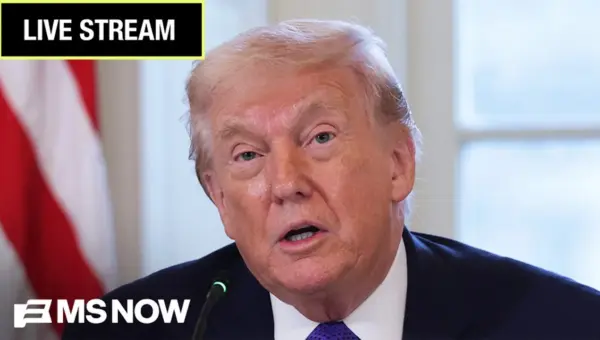
Trump Pushes ‘No Tax on Tips’ Amid Economic Woes
Former President Donald Trump hosted a roundtable to champion his proposal of eliminating federal taxes on tips. He linked this idea to providing relief amidst high gas prices and ongoing international conflicts. The event featured service industry workers who shared their support for the tax cut plan.
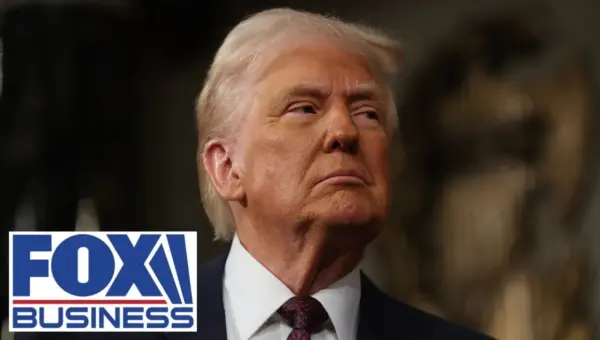
Tax Cuts Boost Incomes, Trump Claims in Vegas
Former President Donald Trump promoted recent tax cuts in Las Vegas, claiming they provide significant financial benefits to American workers and businesses. He highlighted measures like eliminating taxes on tips and Social Security as key successes, asserting that these policies are boosting incomes and stimulating the economy.
NYC Mayor Backs New Tax on Luxury Second Homes
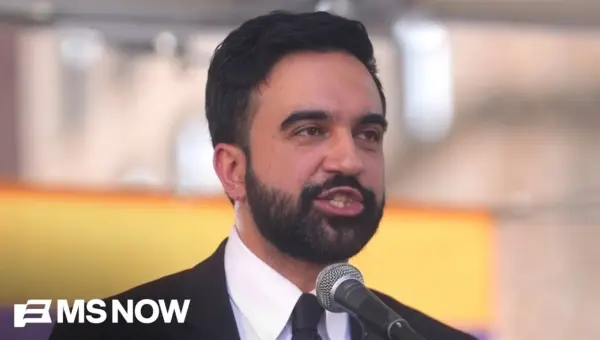
New York City Mayor Zoran Mamdani is backing a new 'pied-à-terre' tax on luxury properties owned by non-residents. The annual fee targets homes worth over $5 million, aiming to generate $500 million and affect 13,000 properties. This move is seen as a political win for the mayor and a way to raise revenue from the ultra-wealthy.