GOP Faces Midterm Meltdown as Trump’s Woes Mount
Republicans are reportedly in a state of panic over the upcoming midterm elections, as Donald Trump's record-low approval ratings and persistent distractions are overshadowing their efforts. A combination of economic woes, foreign policy stumbles, and internal party conflicts are creating significant challenges for the GOP as they approach a crucial election cycle.

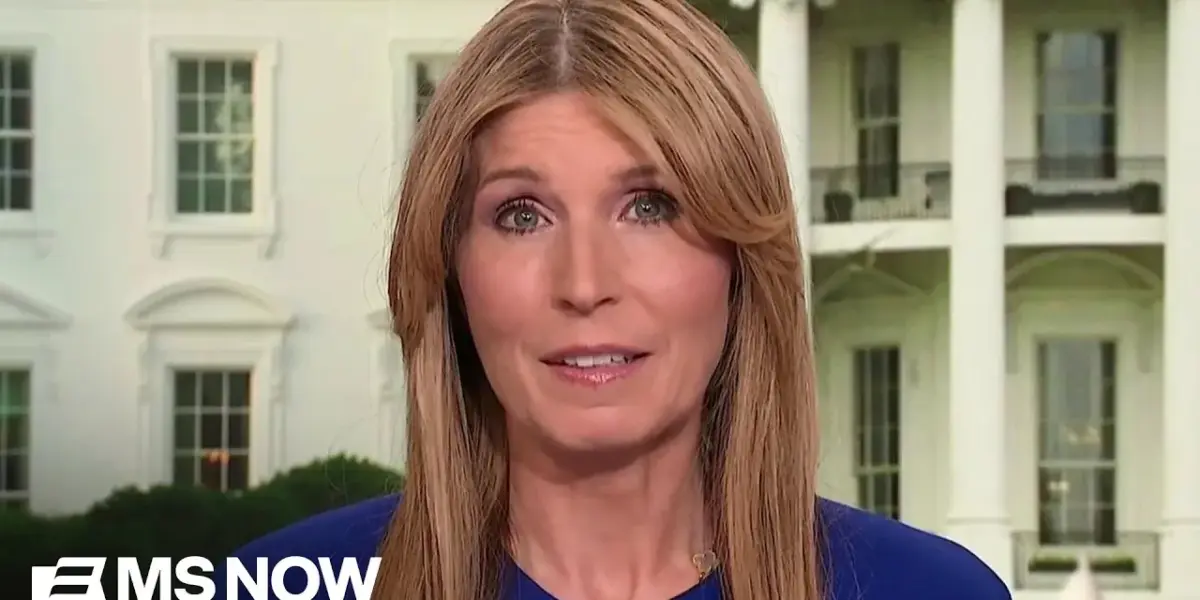
Republicans are reportedly in a state of panic over the upcoming midterm elections, as Donald Trump’s record-low approval ratings and persistent distractions are overshadowing their efforts to maintain a slim majority. The former president’s inability to stay focused on key issues, coupled with a struggling economy and foreign policy stumbles, has left many within the party exasperated.
Trump’s Distractions Hamper Republican Strategy
Despite White House attempts to steer Donald Trump towards focusing on the economy, his messaging has failed to resonate with voters. Politico reports that a combination of economic woes, high gas prices, a controversial exchange with the Pope, and foreign policy setbacks in Pakistan and Hungary have created significant challenges for Republican allies. One operative close to the White House described the situation as being made more difficult by “nonsense coming out of 1600 Pennsylvania Avenue.” This internal frustration highlights a growing disconnect between the party’s strategic goals and Trump’s ongoing influence.
Senate Majority No Longer Seen as Secure
For months, many Republicans privately believed that while control of the House might be out of reach, the Senate would remain a safe harbor. However, this assessment is no longer the case, according to reports.
The party’s once-solid grip on the Senate appears to be weakening, adding another layer of concern for GOP strategists as the midterms approach. This shift suggests a broader unease about the party’s electoral prospects.
Key Figures Express Growing Frustration
The internal turmoil within the Republican party is becoming increasingly visible, with prominent figures like Marjorie Taylor Greene and Megyn Kelly voicing sharp criticism of Donald Trump. This is seen by some analysts as an indicator of where the party’s internal conflicts are focused. Democratic strategist Basil Smichel noted that when such harsh words are directed at Trump from within his own base, it signals a significant shift in the political landscape.
“When you’ve got Marjorie Taylor Greene and Megyn Kelly saying more harsh and vitriolic things about Donald Trump than anyone on the left, you know where sort of all the heat is going on the heat map.”
Basil Smichel, Democratic Strategist
Trump’s Agenda Fails to Connect with Voters
Reports suggest that Republicans are increasingly aware of their need to champion a clear Trump agenda, yet Trump himself shows little interest in actively helping them. Smichel speculates that Trump’s agenda primarily benefits his close associates through crony capitalism, a concept that he believes both Republicans and voters are beginning to sense. This perceived lack of genuine policy focus makes it difficult for the party to build a strong, defensible platform.
Iowa Race Highlights Voter Discontent
The competitive nature of races in states like Iowa, even for governor and Senate seats, is seen as proof of growing voter dissatisfaction. Voters in states like Iowa are experiencing the negative effects of rising consumer prices, with energy costs increasing significantly.
Farmers, a key demographic, are particularly hurt by tariffs and fluctuating fertilizer prices, issues they feel Trump’s policies have not adequately addressed. This sentiment indicates that voters are connecting their personal economic struggles directly to the current political climate.
Historical Patterns of Republican Support Tested
Donald Trump has historically shown an ability to withstand political storms that would have ended other careers. Events like the Access Hollywood tape, his remarks on Charlottesville, and the January 6th Capitol riot initially caused many Republicans to distance themselves.
However, a pattern emerged where many eventually returned to his orbit, seemingly drawn back by his influence and the desire to remain within his coalition. This historical pattern is now being re-examined as the party faces new challenges.
Self-Inflicted Wounds and Midterm Outlook
The current political climate is marked by what some describe as self-inflicted wounds stemming from Trump’s actions and pronouncements. His public disputes, such as the one with the Pope, and his stance on international conflicts are seen as detrimental.
When combined with the failure to address key economic issues like inflation and high gas prices, these factors create a challenging environment for Republicans. The narrative suggests that Trump’s actions may be actively working against the party’s goal of winning in the midterms.
War in Iran Emerges as a Potential Breaking Point
Amidst various controversies, the escalating tensions and potential for conflict in Iran are now a surprising focal point for discontent. Some observers, like Adrian Elrod, express surprise that this issue, rather than others like the Epstein files or ongoing chaos, might be contributing to a shift among fervent MAGA supporters. The potential for increased gasoline prices due to such a conflict, coupled with the ongoing economic hardships, could be the critical factor alienating long-time supporters.
The coming weeks will reveal whether this reported Republican panic translates into tangible shifts in the midterm election outcomes. All eyes will be on how Donald Trump’s influence continues to shape the political narrative and whether the Republican party can effectively counter the challenges posed by both internal divisions and voter concerns about the economy and foreign policy.
Source: 'The DESPERATION is happening!': Nicolle reacts to GOP PANICKING about midterms, Trump losing streak (YouTube)

Related Articles
Judge Blocks Trump’s Ballroom Dream at White House
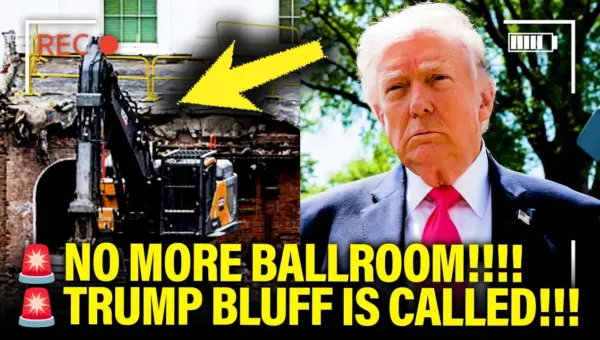
A federal judge has ruled against Donald Trump's plan to build a 90,000-square-foot ballroom at the White House. While underground construction for security facilities is permitted, the above-ground ballroom has been blocked due to lack of congressional approval. The case highlights the balance of power between the president and Congress regarding federal property.


Pope Slams Trump’s ‘Tyrants’ Amidst Religion Row
Pope Leo XIV has publicly criticized "tyrants" and the misuse of religion for political gain, sparking backlash from Donald Trump and his allies. The podcast hosts discuss this conflict, arguing that some politicians exploit faith as a "grift." This clash highlights the growing tension between religious authority and political power.

Economy Hits Rock Bottom: Americans Struggle to Keep Up
A JD Power survey reveals that 65% of Americans can no longer keep up with rising prices, with incomes failing to match inflation. This is forcing many to delay purchases, cut back on services, and even use credit cards for groceries, indicating widespread economic strain.