Mexico Cartel Faces Unpredictable Succession Battle After Leader’s Death
Mexico is grappling with a volatile succession battle within the Jalisco New Generation Cartel (CJNG) following the reported death of its leader, El Mencho. The cartel's response has included widespread violence and escapes, raising concerns about a new era of unpredictability. The situation casts a shadow over tourism and the upcoming World Cup, despite government assurances.

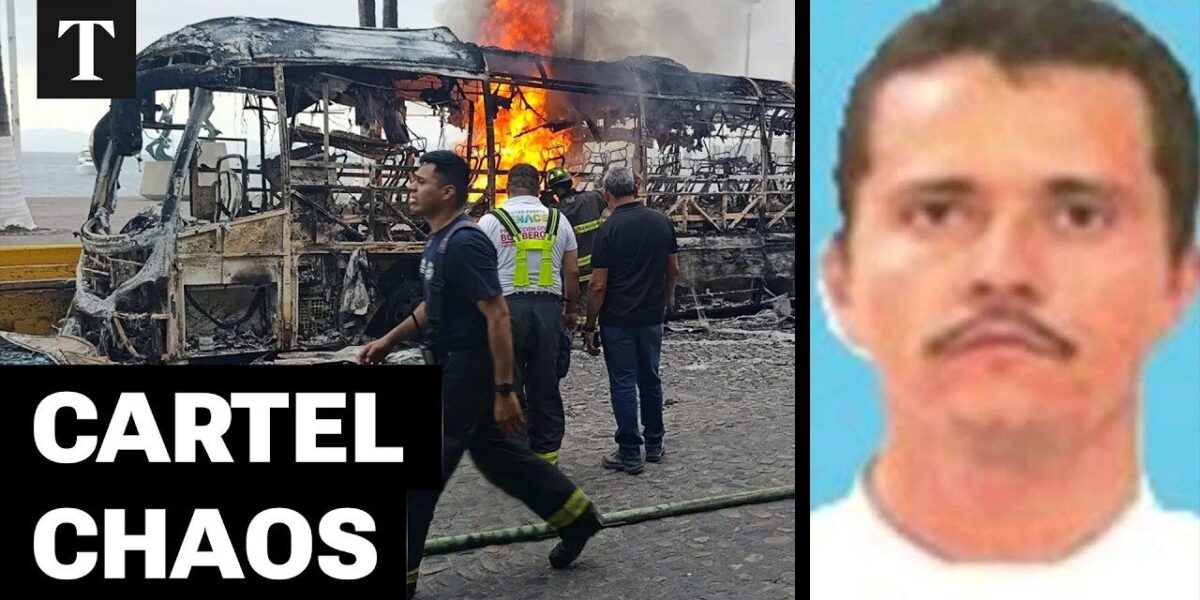
Mexico Gripped by Cartel Turmoil Following El Mencho’s Demise
Mexico is navigating a period of significant instability and violence following the reported death of Nemesio Oseguera Cervantes, widely known as “El Mencho,” the elusive leader of the Jalisco New Generation Cartel (CJNG). The cartel, one of Mexico’s most powerful and violent criminal organizations, is now facing a critical and potentially volatile succession crisis, raising concerns about a new era of unpredictability.
Weekend of Violence and Escape
The aftermath of El Mencho’s death, reportedly in a firefight with special forces on Sunday, triggered a wave of retaliatory actions by the CJNG. This included the blocking of roads and the torching of vehicles across the country, demonstrating the cartel’s widespread reach and capacity for disruption. In a particularly alarming incident, dozens of prisoners escaped from a jail in Puerto Vallarta, a popular beach resort on Mexico’s Pacific coast, which was a focal point of the weekend’s unrest.
As of reporting, casualty counts have reached approximately 70 dead across the ensuing violence, though the intensity has reportedly eased in the last couple of days. However, streets nationwide remain quieter than usual, proof of the lingering unease and anticipation of further developments.
A New Era of Restructuring and Uncertainty
Correspondent John Bonfilio, speaking from Mexico, described the current phase as a “new and unpredictable period” as the CJNG undergoes a “sort of an internal potentially highly violent restructuring process.” He clarified that the recent acts of violence were primarily a “retribution” and a “demonstration to the state of the vast power that the cartel… has,” serving as an “equaling of scores.” The critical question now, Bonfilio explained, is whether the CJNG can maintain its structural integrity and ensure a smooth transition of leadership, or if it will fracture. Such a fracture would inevitably lead to score-settling and struggles for primacy, a pattern observed in similar past instances.
“The big question now going forward is whether the new generation cartel can maintain its structural integrity and sort of pass on from one leader to the next or whether it’s going to fracture with the inevitable violence score settling and struggle for sort of primacy.”
Challenges to Succession
Adding complexity to the succession issue is the apparent lack of a clear heir apparent. Bonfilio noted that “there’s no clear line of succession evident” at this time. This is further complicated by the cartel’s vast operational scope, which extends not only nationally but internationally.
The CJNG also operates with a franchise-like structure, where various groups are loosely affiliated. These affiliations are fragile and could easily shift, with individual groups potentially breaking away, divesting their ties, or making their own bids for power or advancement. Any such move is expected to trigger significant escalations in violence.
Impact on Global Drug Trade and Tourism
Despite the significant upheaval within the cartel, Bonfilio expressed skepticism about any lasting impact on the global drug trade. Drawing parallels with similar past events, he stated that such incidents typically have “nil effect on the global drugs trade.” Instead, they primarily generate “excessive violence in and around where these situations take place.” The cartel’s infrastructure, supply, and demand chains are described as “highly evolved and resistant” to disruption from leadership changes.
The violence has, however, cast a shadow over Mexico’s tourism sector, particularly with the upcoming FIFA World Cup. Concerns have been raised by tourists and potential visitors about the country’s capacity to ensure safety, especially given that Guadalajara, a key host city, is the CJNG’s home base and was an epicenter of the recent violence.
Mexican President Claudia Sheinbaum has repeatedly emphasized the government’s commitment to guaranteeing security during the tournament, stating that “every guarantee” will be provided. FIFA, through its president Gianni Infantino, has also expressed reassurance, calling the situation “good” and predicting a “spectacular” event.
Travel Advice Amidst Uncertainty
When asked for travel advice, particularly for those considering attending the World Cup in Guadalajara, Bonfilio urged caution. While not advising an outright cancellation, he suggested that travelers should “keep your wits about you, be sensible, don’t be showy and obviously keep an eye on the situation before you before you go anywhere.” He highlighted Guadalajara as a particularly complex case, being a large, vibrant city that can be chaotic even in normal times. The current heightened situation, combined with the cartel’s control, warrants careful consideration and a delay in making immediate travel decisions.
Looking Ahead
The coming weeks and months will be crucial in determining the future trajectory of the Jalisco New Generation Cartel and the broader security landscape in Mexico. All eyes will be on how the internal power dynamics unfold within the CJNG and whether it can consolidate or if it will splinter into more dangerous factions. The Mexican government’s ability to manage the fallout and ensure the safety of its citizens and international visitors, particularly during major events like the World Cup, will be under intense scrutiny.
Source: Mexican Cartels Enter ‘New And Unpredictable’ Succession Battle (YouTube)

Related Articles
Cambodia Cracks Down on Global Love Scam Operations
Cambodia is intensifying its crackdown on global scam operations that defraud billions annually, often forcing trafficked individuals, primarily from Indonesia, to carry out romance and investment scams. While authorities raid compounds and free victims, challenges remain in distinguishing victims from participants and dismantling the deeply entrenched criminal networks.
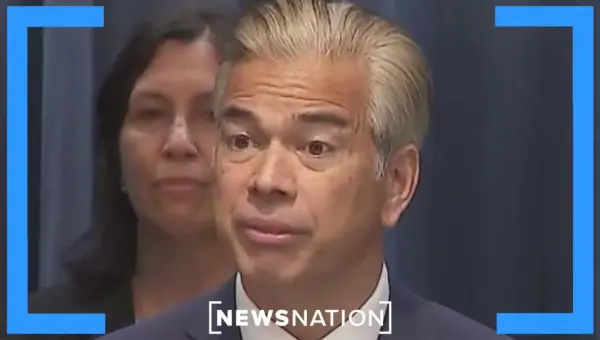
California Hospice Fraud Ring Stole $267M
A massive $267 million Medicare fraud scheme has been uncovered in California, leading to the arrest of 21 individuals. Criminals allegedly used stolen identities from the dark web to purchase and operate 14 hospice companies, billing for services that were never provided. Authorities seized millions in cash and assets during recent raids.


Drug Ring Leader Jailed for Matthew Perry’s Death
The "Ketamine Queen" has been sentenced to 15 years in prison for supplying the drugs that caused actor Matthew Perry's death. This sentencing brings accountability for the illegal drug distribution network involved.