US Naval Action in Hormuz Could Force Iran to Negotiate
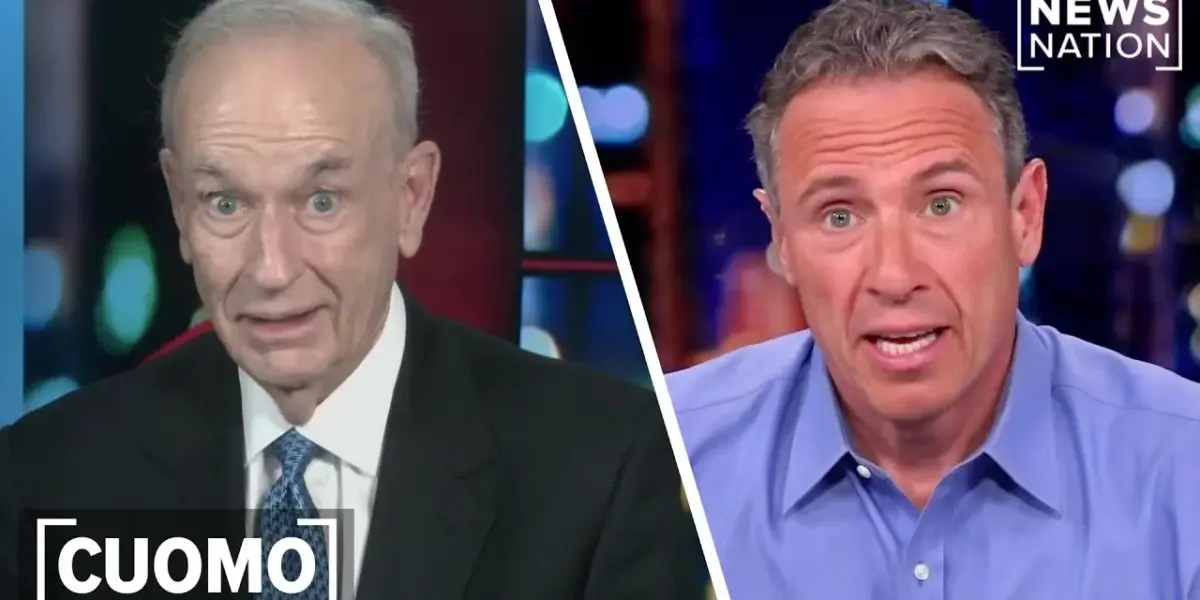
Bill O'Reilly argued that US control of the Strait of Hormuz could economically pressure Iran into negotiations. Chris Cuomo questioned the narrative, highlighting differing interpretations of strategic moves and the influence of political bias on analysis. The discussion explored the geopolitical significance of the Strait and the complex motivations behind international relations.

US Naval Action in Hormuz Could Force Iran to Negotiate
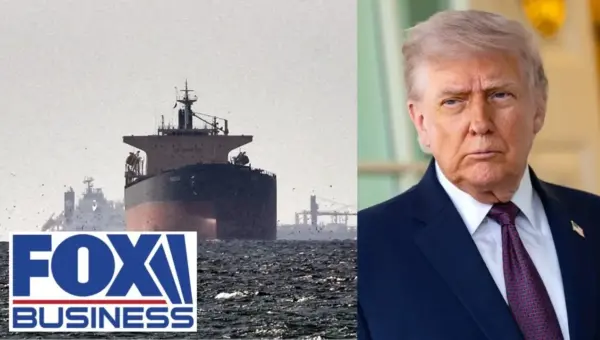
A recent discussion between Bill O’Reilly and Chris Cuomo touched upon the complex relationship between the United States, Iran, and global politics, particularly concerning the Strait of Hormuz. O’Reilly presented a strong argument that increased US involvement in the Strait could effectively pressure Iran, potentially leading to negotiations. This perspective suggests a strategic move to control vital shipping lanes as a means of economic and political leverage.
The core of O’Reilly’s argument rests on the idea that controlling the Strait of Hormuz can ‘strangle’ Iran economically. He pointed to a recent instance where nine vessels turned back without incident, suggesting the US has the capability to manage the flow of oil. This control, he believes, would cut off Iran’s revenue streams, making it difficult for the regime to sustain itself and forcing them to engage in diplomatic talks.
Cuomo, while acknowledging the strategic implications, raised concerns about the narrative and the potential for escalation. He questioned why closing the Strait would be seen as a positive development for the US when it was previously viewed as an aggressive move by Iran. This highlights a key difference in perspective: O’Reilly sees US intervention as a decisive strategy, while Cuomo views it through a lens of potential conflict and international perception.
Historical Context and Geopolitical Significance
The Strait of Hormuz has long been a critical chokepoint for global oil transport. For decades, its strategic importance has made it a focal point of international tension, particularly involving Iran and the United States. Any disruption in this narrow waterway can have significant ripple effects on global energy markets and international relations.
Iran has historically used its position at the mouth of the Persian Gulf to assert influence. Threats to close the Strait have been a recurring theme in its foreign policy, often employed when the regime feels threatened or seeks to protest international sanctions. The US, in turn, has maintained a naval presence in the region to ensure freedom of navigation and protect its allies.
Differing Views on Strategy and Outcomes
O’Reilly emphasized that the current US strategy is not about direct military confrontation but about a ‘slow strangulation’ of Iran’s economy. He dismissed the idea that Iran could realistically compete with the US military, framing the conflict as one where Iran’s regime values death, while the US prioritizes its people’s lives. This view positions the US actions as a calculated economic maneuver rather than an act of aggression.
Cuomo, however, brought up the controversial opinion of New York Times columnist Thomas Friedman. Friedman suggested that it might be better for the world if the US military ‘loses’ a conflict with Iran, not to support the Iranian regime, but to avoid strengthening Trump politically through a military victory. This complex viewpoint, which O’Reilly characterized as ‘hate Trump,’ sparked a debate about the motivations behind political commentary and the potential for personal bias to influence analysis.
The discussion highlighted the difficulty in separating political commentary from strategic analysis, especially in a highly charged geopolitical environment. Cuomo argued that O’Reilly was misinterpreting Friedman, stating that Friedman’s concern was not about the US military losing, but about the political implications of a US victory under Trump’s leadership.
The Role of Diplomacy and Public Perception
Both commentators agreed that Iran is a ‘terrorist state’ and that no one wants the Iranian regime to win. However, they differed on how to interpret statements that seem to prioritize political outcomes over national interests. Cuomo suggested that strong personal feelings about political figures like Trump can lead people to make seemingly irrational arguments.
O’Reilly, on the other hand, seemed to view such commentary as a symptom of a media landscape that is overly critical of Trump. He questioned the idea of calling the Pope ‘agnostic’ in this context, suggesting that the Pope, like most people, would not want the Iranian regime to succeed. This part of the conversation veered into a discussion about the Pope’s role and the interpretation of his statements on global conflicts.
Why This Matters
The debate over US strategy in the Strait of Hormuz and its potential impact on Iran is crucial because it touches upon global security and economic stability. The way international powers choose to exert pressure, whether through economic sanctions, naval presence, or diplomatic channels, has far-reaching consequences.
Understanding these different perspectives helps to clarify the complex motivations at play in international relations. It shows how strategic actions can be interpreted in various ways, influenced by political leanings and personal beliefs about leadership. The conversation also highlights the ongoing tension between the desire for peace and the perceived necessity of confronting aggressive states.
Implications and Future Outlook
If the US can successfully manage the Strait of Hormuz and limit Iran’s oil revenue, it could indeed force Iran to the negotiating table. This would be a significant victory for the Trump administration’s ‘maximum pressure’ campaign. However, such a strategy also carries risks, including potential miscalculation and unintended escalation.
The future outlook depends heavily on Iran’s response and the broader geopolitical climate. While O’Reilly believes negotiations are likely to start soon, the long-term effectiveness of this strategy remains to be seen. The dialogue also points to a broader trend in media analysis, where political biases can heavily influence the interpretation of events and strategies.
Ultimately, the situation in the Strait of Hormuz is a case study in the delicate balance of power, economic statecraft, and the complexities of international diplomacy. The coming weeks will likely reveal more about the efficacy of the US strategy and Iran’s ability to withstand the pressure.
Source: Bill O’Reilly: US getting involved with Hormuz can strangle Iran, force them to table | CUOMO (YouTube)

Related Articles
US Blockades Iran’s Oil: Economic Fury Unleashed
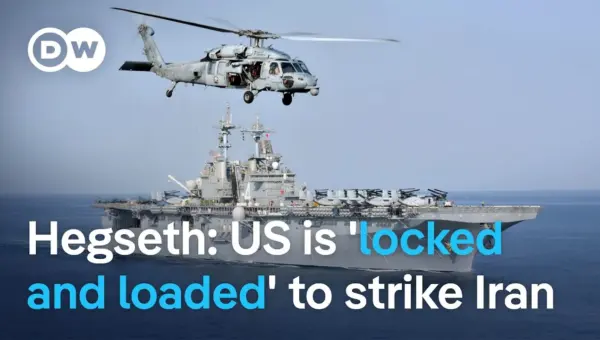
The United States has imposed a naval blockade on Iran's ports, intensifying economic pressure by targeting the country's vital oil exports. This move, part of "Operation Economic Fury," aims to cripple Iran's revenue streams and force concessions. Experts warn the blockade could severely choke off Iran's economy, impacting its ability to fund government operations and potentially leading to internal instability.
Iran Faces $435M Daily Hit From Economic Blockade
Iran is reportedly losing $435 million daily due to an economic blockade aimed at preventing its nuclear ambitions. This pressure follows decades of mismanagement and sanctions, weakening the nation's financial standing. The situation highlights global geopolitical risks and potential market volatility.
Iran Faces Economic Collapse Amid Trump’s Blockade Strategy
Iran faces severe economic pressure from a U.S.-led blockade, potentially leading to its collapse. Analysts believe President Trump's strategy of taking adversaries' threats seriously, combined with economic sanctions, is designed to force Iran's unconditional surrender on nuclear and regional issues.