Trump Undermines Melania on Epstein, Denies Gas Price Pain
Donald Trump's recent statements on the Epstein case appear to contradict his wife Melania's call for public hearings, as he cited victims' alleged refusal to go under oath. He also downplayed current high gas prices, a claim that clashes with everyday American experiences. These responses highlight recurring themes in his communication style and approach to sensitive issues.

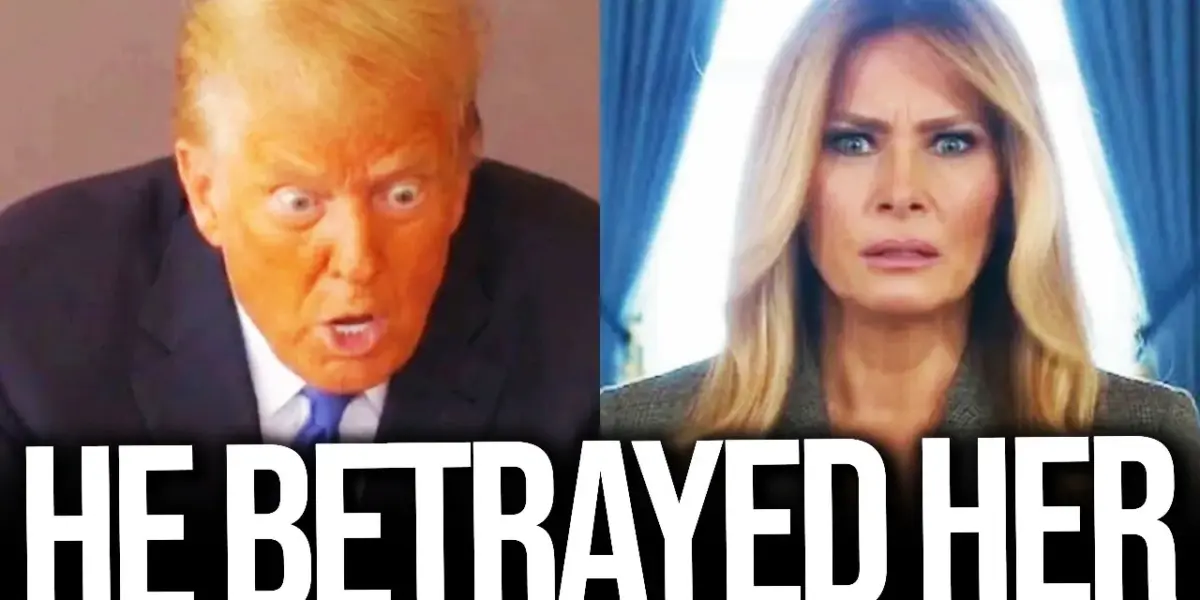
Trump Undermines Melania on Epstein, Denies Gas Price Pain
Donald Trump recently responded to a question about Jeffrey Epstein survivors seeking public hearings. When asked if he supported such hearings, as his wife Melania had suggested, Trump’s answer seemed to contradict her. He stated that he heard the victims refused to go under oath, effectively dismissing the need for further public examination.
This stance from Trump contrasts sharply with Melania’s earlier call for Congress to investigate the Epstein case further and uncover the truth. She specifically asked for public hearings centered around the survivors, wanting them to have a chance to testify under oath. Her language suggested a desire for justice and a platform for victims to share their stories permanently in the congressional record.
However, Trump’s immediate response, that he heard the victims refused to go under oath, seems to undermine Melania’s position. He linked this to his own past experience, mentioning a false accusation against him that he said was completely untrue. This is not the first time Trump has been accused of attacking victims or downplaying their accusations.
Historical Context of Accusations
Donald Trump has a history of responding to accusations by attacking the accuser or dismissing their claims. In one instance, when asked about accusations from E.
Jean Carroll, he stated she was not his physical type, based on a photo. He later appeared to misidentify a photo of Carroll as his ex-wife, Marla Maples, adding to the confusion and perceived dismissal of her claims.
This pattern of behavior suggests a consistent approach to accusations, where he often deflects by attacking the accuser’s credibility or physical appearance. The video transcript highlights this by showing a clip where he says Carroll was not his type, then points to a photo he identifies as his ex-wife, implying a potential confusion or deliberate misdirection.
Gas Prices and Economic Reality
Beyond the Epstein issue, Trump also addressed questions about gas prices during the same press interaction. When asked how much longer Americans would face high gas prices, his response was dismissive. He claimed gas prices had actually come down significantly in the past few days and suggested they were not very high.
This statement directly clashes with the everyday experience of many Americans. The presenter notes that drivers see gas prices around $4 a gallon regularly. This disconnect highlights a potential lack of awareness or acknowledgment of the economic pressures faced by ordinary citizens who rely on their vehicles for daily life and work.
Trump then pivoted to discussing the stock market and the threat of Iran obtaining nuclear weapons. While these are important issues, they do not directly address the immediate financial concerns of most Americans regarding everyday costs like fuel. The presenter points out that the stock market’s performance does not affect the majority of people as directly as gas prices do, nor does it impact the cost of goods that rely on transportation.
Iran Ceasefire and Global Politics
The conversation also touched upon a ceasefire with Iran. Trump appeared unsure about who the ceasefire was with, asking, “With who?” This led to confusion, as he seemed to believe there were multiple ceasefires. He suggested that Iran wanted a deal and that they were dealing with them nicely, emphasizing the need to prevent Iran from acquiring nuclear weapons.
This part of the exchange showcases a perceived lack of clarity or a tendency to shift topics rapidly. The presenter describes Trump’s responses as being like a bot or a machine, quickly pivoting from one subject to another, often to discuss Iran or nuclear weapons.
Conflict with the Pope and Repeating Narratives
The interview concluded with Trump discussing his views on the Pope’s statements. When asked about fighting with the Pope, Trump stated he had to do what is right and that the Pope needed to understand Iran cannot have nuclear weapons. He mentioned that Iran had killed many unarmed protesters.
The presenter argues that the Pope’s message was not an attack on Trump but a call for peace among all nations involved, including Iran, America, and Israel. Trump’s reaction, seeing it as a personal attack, is seen by the presenter as revealing more about Trump himself. The repeated emphasis on Iran’s nuclear program and the perceived conflict with the Pope highlight a tendency for Trump to get stuck on certain narratives.
Why This Matters
This exchange reveals critical insights into Donald Trump’s communication style and policy approach. His dismissal of Epstein survivors’ calls for hearings, while seemingly contradicting his wife, raises questions about his commitment to victim advocacy and how he handles sensitive issues. His denial of high gas prices disconnects him from the economic realities faced by many Americans, potentially impacting voter perception.
The rapid topic shifts and the apparent confusion regarding international agreements like ceasefires suggest a communication strategy that can be unpredictable. His interactions with figures like the Pope also show a tendency to frame global issues through a personal lens. These elements are important for understanding his leadership style and how it may influence domestic and foreign policy.
Implications and Future Outlook
Trump’s approach to accusations and his handling of economic concerns could shape public opinion and electoral outcomes. His ability to connect with voters on issues like gas prices remains a key factor. His consistent pattern of downplaying accusations and attacking accusers may resonate with his base but alienate others.
The future will likely see more instances where Trump’s statements are scrutinized against the backdrop of his past behavior and public perception of his policies. His ability to pivot and reframe narratives will continue to be a central element of his political strategy. The ongoing discussions about international relations, particularly concerning Iran, will also remain a significant area to watch.
Historical Context
Historically, political figures have often been judged on their empathy towards victims and their understanding of economic hardship. The Epstein case itself has a long and disturbing history, involving powerful individuals and allegations of severe abuse. Melania Trump’s call for hearings represented a potential step towards accountability.
Similarly, gas prices have historically been a sensitive issue for voters, often influencing perceptions of a president’s economic management. Trump’s previous presidency saw fluctuating gas prices, and his current comments suggest he aims to associate himself with lower prices, even if current realities differ.
Looking Ahead
The dynamic between Donald Trump and his wife, Melania, on sensitive issues like the Epstein case, will continue to be observed. His responses to economic conditions, particularly gas prices, will be crucial in ongoing political discourse.
As the political climate evolves, Trump’s communication tactics and policy stances will be continuously tested. The upcoming period will likely involve further scrutiny of his public statements and their impact on voter sentiment.
Source: Trump Throws Melania Under the Bus on Epstein (YouTube)

Related Articles
Judge Blocks Trump’s Ballroom Dream at White House
A federal judge has ruled against Donald Trump's plan to build a 90,000-square-foot ballroom at the White House. While underground construction for security facilities is permitted, the above-ground ballroom has been blocked due to lack of congressional approval. The case highlights the balance of power between the president and Congress regarding federal property.

Pope Slams Trump’s ‘Tyrants’ Amidst Religion Row
Pope Leo XIV has publicly criticized "tyrants" and the misuse of religion for political gain, sparking backlash from Donald Trump and his allies. The podcast hosts discuss this conflict, arguing that some politicians exploit faith as a "grift." This clash highlights the growing tension between religious authority and political power.
GOP Faces Midterm Meltdown as Trump’s Woes Mount
Republicans are reportedly in a state of panic over the upcoming midterm elections, as Donald Trump's record-low approval ratings and persistent distractions are overshadowing their efforts. A combination of economic woes, foreign policy stumbles, and internal party conflicts are creating significant challenges for the GOP as they approach a crucial election cycle.