Trump Faces Steep Losses: Analyst Calls It ‘Worst Losing Streak’
Political analysts are questioning Republican optimism for upcoming elections, citing historical trends and current economic challenges. High gas prices and voter dissatisfaction with Donald Trump's economic leadership are creating significant hurdles for the party. Cracks are appearing in Trump's core coalition, with potential losses among key demographic groups and internal dissent over controversial stances.

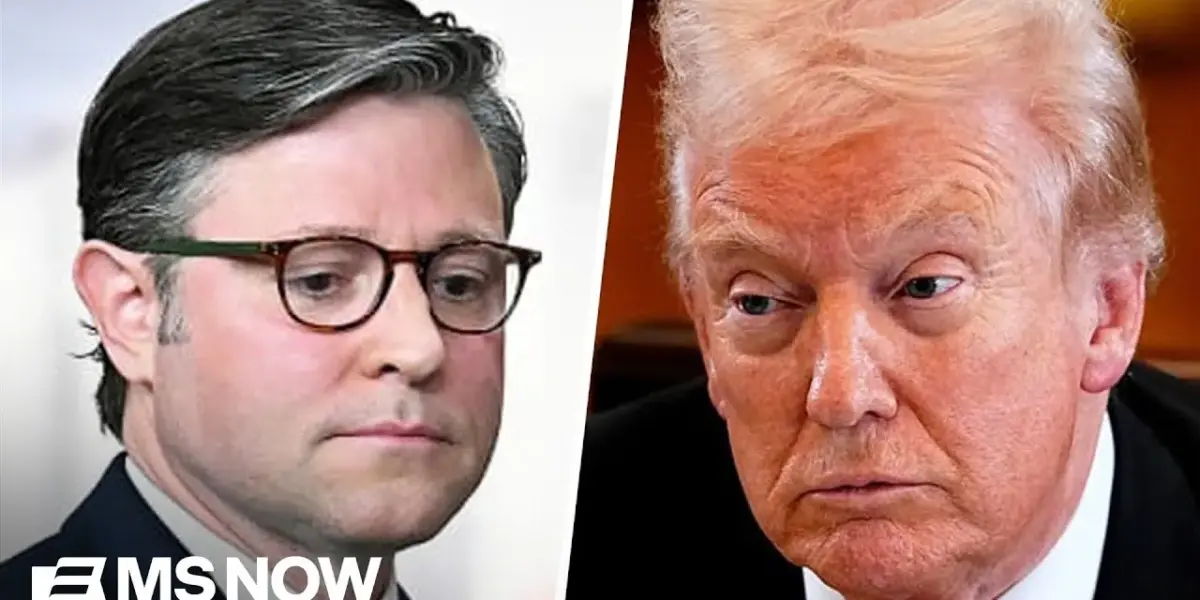
GOP Leaders Optimistic, But Analysts See Troubled Path Ahead for Republicans
Despite a seemingly optimistic outlook from top Republican leaders like House Speaker Mike Johnson and Majority Leader Steve Scalise, political analysts suggest the party’s prospects for the upcoming elections are not as bright as they believe. This optimism, they argue, is misplaced, especially considering historical trends and current economic conditions. A look at past midterm elections shows that the party in power rarely expands its majority during the first midterm of a presidential term.
This has only happened twice in the last 50 years, once after 9/11 and again during the Clinton impeachment in 1998. Both were unusual circumstances, not reflective of typical political cycles.
Republicans are reportedly planning to campaign on the idea that Democrats are out of touch. However, the current economic climate presents a significant challenge for them. High gas prices, with reports of prices nearing $6 a gallon in places like Los Angeles, are a major concern for voters nationwide.
Combined with ongoing global conflicts, the party’s main achievement to highlight, an 18-month-old tax bill, may not be enough to sway voters. While some parts of the tax bill, like eliminating taxes on tips and overtime, are popular, the core of the bill kept most tax rates the same. This leaves many Republicans struggling to explain what tangible benefits they have delivered to their constituents.
Voters Blame Trump for High Gas Prices, Polls Show
Recent polling indicates a strong public sentiment against Donald Trump’s handling of the economy. A Quinnipiac poll revealed that 51% of Americans blame him for the current gas prices. 57% of Americans disapprove of his economic leadership overall. These numbers suggest a significant disconnect between the party’s leadership optimism and the views of the general public.
The mood among many Republicans, as described by political observers, is somber, almost like a funeral. Behind the public pronouncements of confidence, many rank-and-file members are reportedly frustrated with Trump’s actions.
They are said to be wishing he would stop making controversial statements or engaging in public disputes that they believe harm the party’s chances. Without a clear legislative win to campaign on, beyond a tax bill signed in 2025, these Republicans find themselves in a difficult position when trying to connect with voters.
Trump’s Coalition Shows Cracks Amid Economic Woes
The coalition that brought Trump to power and helped Republicans secure majorities in Congress appears to be showing signs of strain. Historically, Trump saw significant gains with Hispanic voters, increasing his support from 36% in 2020 to 48% in 2024.
However, current polling suggests he has lost these gains, with only 35% approving of him and 65% disapproving. This shift indicates a potential weakening of his support among key demographic groups.
Analysts suggest that if President Biden had focused solely on the economy, he might be in a stronger position. This current situation is compared to 2018, when Democrats gained significant ground in the midterms.
At that time, the president’s extensive campaigning for Republican candidates did not prevent major losses. A key issue identified is Trump’s lack of discipline, making it difficult for him to stay on message or connect with anyone who isn’t already a strong supporter.
Divisions Within the Base and Controversial Stances
This lack of discipline is seen as even more problematic now, affecting several core groups within Trump’s coalition. Beyond potential losses with Hispanic voters, Evangelical Christians and Catholics are reportedly disturbed by recent controversial posts he made on social media, which some have called blasphemous. Voters who were against prolonged military conflicts now see the president engaging in actions that could lead to further entanglement, such as the situation in Iran.
These divisions create significant challenges for Trump, who now faces internal dissent within his own support base. The combination of economic anxieties, like high gas prices, and controversial personal stances creates a difficult environment.
While Trump’s base has shown remarkable loyalty in the past, the current economic burden on his voters, coupled with perceived policy failures, makes it harder for him to maintain that support. The promise of a golden age and financial benefits from tariffs has not materialized for his core supporters.
“The economy is a burden on those MAGA voters, and they expected a golden age. They were promised the tariffs were going to send them checks. They were promised they were going to get checks from [inaudible].
The price of gas isn’t spinnable. You can’t say, oh, no, I didn’t pay $5 for gas. I paid $2 for.
You can’t say that. It’s a lie to yourself.”
— Rick Wilson, Co-founder of The Lincoln Project
Trump’s Self-Sabotaging Behavior and Future Outlook
What often surprises observers is how Trump’s actions seem to work against his own best interests. He appears to make decisions without fully thinking them through, sometimes doing the opposite of what political operatives advise.
This pattern of behavior, which led to setbacks in 2018 and 2020, is expected to continue. The current economic reality, particularly the high cost of gas, is a tangible issue that cannot be easily explained away or denied by voters.
Even when presented with opportunities for bipartisan success, such as a housing bill currently navigating the House and Senate, Trump seems disengaged. His focus appears to be elsewhere, possibly consumed by foreign policy issues like the situation in Iran.
However, his engagement with these complex matters, while seemingly all-consuming for him, does not appear to translate into clear communication or action that resonates broadly. The lack of clear achievements and the ongoing economic pressures make a significant challenge for Republicans seeking to hold onto power.
Looking Ahead: Will Trump Course Correct?
The coming months will be critical in determining whether Trump and the Republican party can shift their strategy and messaging to address voter concerns. The upcoming election cycle will test whether the current coalition can hold together under economic pressure and internal divisions. The ability of party leaders to effectively communicate their platform and connect with voters on kitchen-table issues will be paramount.
Source: Trump is 'on the worst losing streak of any president I've ever seen': Analyst (YouTube)

Related Articles
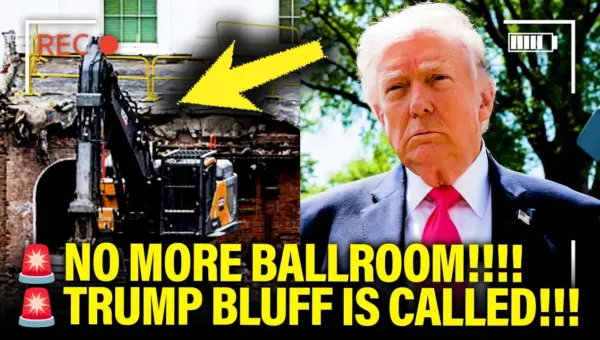
Judge Blocks Trump’s Ballroom Dream at White House
A federal judge has ruled against Donald Trump's plan to build a 90,000-square-foot ballroom at the White House. While underground construction for security facilities is permitted, the above-ground ballroom has been blocked due to lack of congressional approval. The case highlights the balance of power between the president and Congress regarding federal property.


Pope Slams Trump’s ‘Tyrants’ Amidst Religion Row
Pope Leo XIV has publicly criticized "tyrants" and the misuse of religion for political gain, sparking backlash from Donald Trump and his allies. The podcast hosts discuss this conflict, arguing that some politicians exploit faith as a "grift." This clash highlights the growing tension between religious authority and political power.

Economy Hits Rock Bottom: Americans Struggle to Keep Up
A JD Power survey reveals that 65% of Americans can no longer keep up with rising prices, with incomes failing to match inflation. This is forcing many to delay purchases, cut back on services, and even use credit cards for groceries, indicating widespread economic strain.