Mayor Slams Iran War Costs, Cites Tupac’s Plea for the Poor
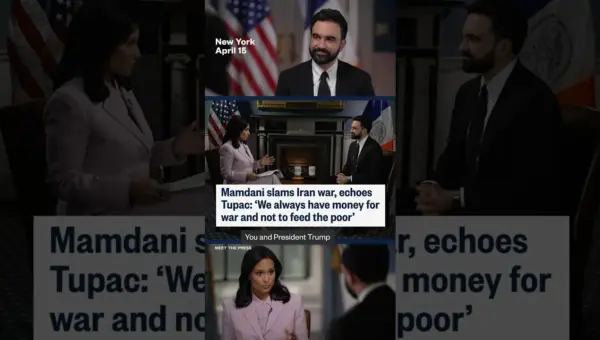
New York City's mayor has sharply criticized the economic fallout from the Iran conflict, stating it worsens an existing cost of living crisis. He echoed Tupac Shakur's plea, "We always have money for war and not to feed the poor," questioning billions spent overseas while domestic needs go unmet. The mayor is exploring relief measures for New Yorkers facing high energy costs due to the war.


Mayor Criticizes Iran War’s Economic Toll on New Yorkers
New York City’s mayor has strongly criticized the ongoing conflict with Iran, highlighting its severe economic impact on the city’s residents. He pointed out that the war has worsened an existing cost of living crisis, making an already expensive city even harder for people to afford. The mayor’s comments came in response to questions about potential relief for New Yorkers facing high energy costs.
He stated that his administration is looking for ways to help people, even before the current conflict began. This crisis, he noted, predates his time as mayor and contributes to New York’s status as the nation’s most costly city.
Economic Disparity Echoes Tupac’s Message
The mayor drew a stark parallel between current events and the words of the late rapper Tupac Shakur. He quoted Shakur’s famous line, “We always have money for war and not to feed the poor.” This sentiment, the mayor explained, remains painfully relevant today.
He expressed disappointment that such words from the 1990s still ring true for so many Americans. The mayor sees the war not just as a political or moral issue, but as a deeply flawed economic decision.
Billions Spent on Conflict, Neglecting Domestic Needs
The mayor questioned the nation’s priorities, pointing to the federal administration’s spending on the conflict. He stated that upwards of $28 billion has been spent on military actions in the Middle East, resulting in thousands of lives lost. Meanwhile, he argued, similar funds cannot be found to invest in working-class Americans.
This disparity, he believes, shows a misplaced focus for national resources. The war has exacerbated existing economic hardships, making everyday life a struggle for many New Yorkers.
Focus on Affordability Amidst Rising Costs
The mayor’s message on affordability echoes themes present in political campaigns, including those focusing on economic relief. New York City already grappled with high energy rates before the recent conflict. The war with Iran has now triggered what he described as the worst oil disruption in U.S. history.
This situation directly affects the cost of living for city residents, adding another layer of financial pressure. His administration is actively seeking solutions to ease this burden on the people of New York.
Urgent Need for Domestic Investment
The mayor’s critique highlights a broader national debate about resource allocation. He emphasized that while billions are directed towards overseas conflicts, essential domestic needs often go unmet. This includes support for working families struggling to make ends meet.
The economic fallout from the Iran conflict is a critical example of how global events can disproportionately affect local communities. His remarks call for a reevaluation of national spending priorities, urging a greater focus on the well-being of American citizens.
Looking Ahead: Policy and Relief Measures
As the situation evolves, attention will be on what specific measures the mayor’s office and federal authorities might implement to address the economic pressures on New Yorkers. The mayor’s strong stance suggests a continued push for policies that prioritize domestic needs and affordability. The impact of global conflicts on local economies remains a critical issue for urban centers across the country.
Source: Mamdani slams Iran war, echoes Tupac: ‘We always have money for war and not to feed the poor’ (YouTube)

Related Articles


Economy Hits Rock Bottom: Americans Struggle to Keep Up
A JD Power survey reveals that 65% of Americans can no longer keep up with rising prices, with incomes failing to match inflation. This is forcing many to delay purchases, cut back on services, and even use credit cards for groceries, indicating widespread economic strain.
Mayor Slams Iran War’s Economic Pain on New Yorkers
New York City Mayor Eric Adams is criticizing the war in Iran for worsening the city's cost of living crisis. He highlighted the massive government spending on the conflict contrasts sharply with a lack of investment in working-class Americans. Adams echoed Tupac Shakur's sentiment that there's always money for war but not to feed the poor.


Record Heat, Severe Storms Slam Millions in US
Millions of Americans are facing record-breaking heat waves, while the Midwest battles severe storms, flooding, and tornadoes. Meanwhile, the war in Iran continues to draw international pressure for an exit strategy, and Wall Street experiences a historic surge despite economic uncertainties. In entertainment, a jury ruled against Live Nation and Ticketmaster for monopolistic practices, and the use of AI in Hollywood sparks controversy with a new film featuring an AI version of Val Kilmer.