Trump’s State of the Union: A Combative Vision for America
President Donald Trump delivered a lengthy and combative State of the Union address, projecting an image of national strength while outlining his agenda of immigration crackdowns and economic policies. The speech emphasized domestic issues, particularly the economy, and was characterized by a direct challenge to the Supreme Court's recent ruling on tariffs. Analysts suggest the address served as a branding exercise aimed at re-energizing Trump's base heading into an election year.

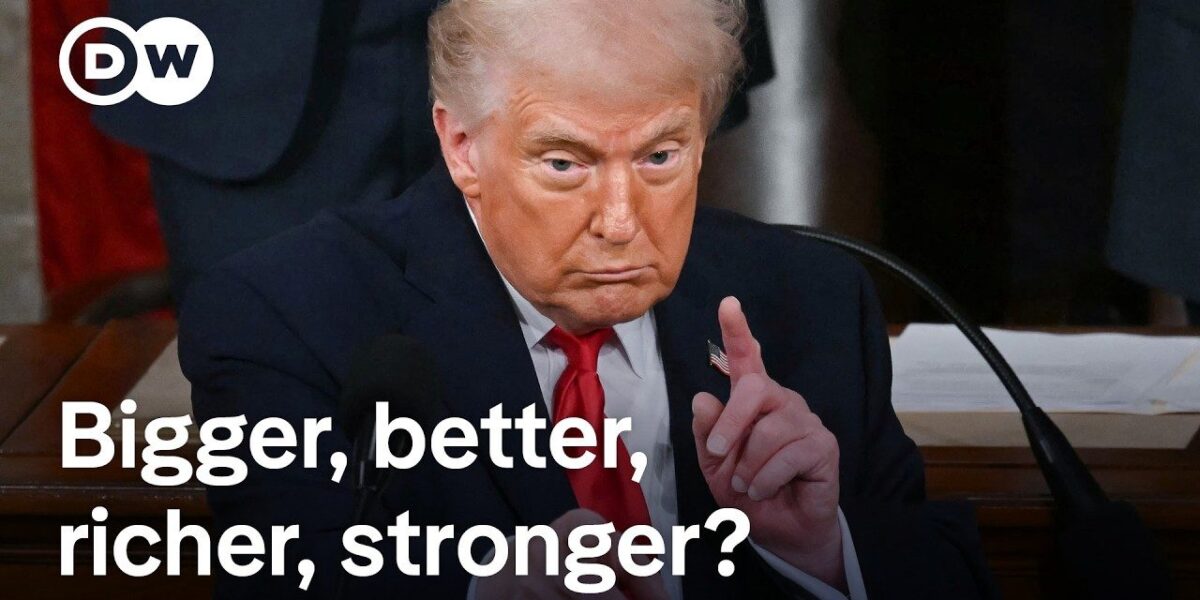
Trump Declares ‘Bigger, Better, Richer, Stronger’ America in Fiery Address
In his first State of the Union address of his second term, President Donald Trump projected an image of an America at its zenith, declaring the nation to be “bigger, better, richer, and stronger than ever.” Delivered to a joint session of Congress, the lengthy address, clocking in at an hour and 48 minutes, not only broke his previous record but also served as a platform to outline his administration’s agenda for the coming year. Key priorities highlighted included continued crackdowns on immigration, a commitment to reducing the size of the federal government, and the maintenance of substantial tariffs on international trade partners. This projection of confidence comes at a time when Trump faces persistent challenges, including low opinion poll ratings and ongoing legal battles.
Supreme Court Ruling Downplayed Amidst Combative Tone
Despite facing a recent Supreme Court ruling that limited his sweeping global tariff powers, President Trump largely dismissed the decision as a minor setback. Addressing the justices present in the chamber, he characterized the ruling as “unfortunate” but expressed confidence that global partners would continue to adhere to existing trade agreements. “The good news is that almost all countries and corporations want to keep the deal that they already made,” Trump stated, implying that his presidential authority to renegotiate could lead to even more favorable terms for his administration. This direct, combative tone was a hallmark of the speech, with DW Washington correspondent Misha Kadovski noting that Trump was “quite energetic and combative,” openly criticizing the Supreme Court’s decision.
“It just came down. It came down. Very unfortunate ruling. But the good news is that almost all countries and corporations want to keep the deal that they already made… And therefore, they will continue to work along the same successful path that we had negotiated before the Supreme Court’s unfortunate involvement.”
Donald Trump, during State of the Union address
A Branding Exercise Focused on Core Base
Tyson Barker, a non-resident senior fellow at the Atlantic Council, described the address as a “long, it was combative, and it was a branding exercise. It was a marketing exercise.” Barker suggested that the President recognized a potential stagnation in momentum for his policy agenda and aimed to re-energize both his base and the Republican party ahead of upcoming elections. The focus, according to Barker, was on issues with broad appeal and those central to Trump’s political identity: “safer cities, a tighter control on immigration, lower taxes, culture war issues, civilizational issues.” While acknowledging the divisive nature of these policies, Trump’s message was that his administration is delivering on the promises made to his supporters.
Economic Focus Dominates Domestic Agenda
The State of the Union address was notably domestic in its focus, with foreign policy taking a backseat. This shift, according to Barker, reflects the reality that “the main issue is going to be the economy, both parties are extremely focused on the question of affordability.” While Trump touched on specific foreign policy points, such as Iran’s nuclear program and the prospect of peace talks in Ukraine, the emphasis remained limited. The primary thrust of the speech was to make the case for his administration’s economic accomplishments, including tax cuts on overtime and tips, and efforts to lower pharmaceutical costs. Barker characterized Trump’s argument for the economic viability of tariffs as a replacement for income taxes as a “minority view,” but one that is consistent with his “classic Trump” approach and his pivot towards a campaign mode.
Democracy and Decorum Under Scrutiny
The address also highlighted broader concerns about the state of American democracy and political discourse. The combative exchanges and Trump’s direct criticism of the Supreme Court, coupled with his labeling of Democrats as “crazy,” underscore a significant breakdown in political decorum. Barker noted that this deterioration in civility has been escalating over the past 15 years, a trend that Trump, in his view, “thrives in.” The President appeared energized by the reactions from some Democrats, which in turn allowed him to escalate his rhetoric. This dynamic, where opposition responses can fuel further division, is seen as a strategy to galvanize his base. The speech served as a snapshot of the current political temperature, revealing a deeply polarized environment where emotional appeals and partisan clashes often overshadow substantive policy debate.
Looking Ahead: Campaign Mode Engaged
As President Trump concludes his State of the Union address, the message is undeniably clear: the economy remains the central focus, and the nation is being presented with a vision of strength and prosperity under his leadership. The address signals a clear engagement in campaign mode, leveraging past successes and rallying his base with familiar themes. The coming months will reveal how effectively this message resonates with a broader electorate, particularly in the face of ongoing economic anxieties and the persistent challenges to his administration’s policies and authority. The interplay between domestic economic concerns, the President’s assertive style, and the evolving political landscape will be critical to watch as the election year unfolds.
Source: Key takeaways from Donald Trump's State of the Union address | DW News (YouTube)

Related Articles

Trump’s Memo: A Political Play, Not a Paycheck Promise
A presidential memo intended to pay TSA workers during a shutdown was more political theater than a legal solution. Lacking the constitutional "power of the purse," the memo offered false hope, highlighting the separation of powers and the limits of executive authority.

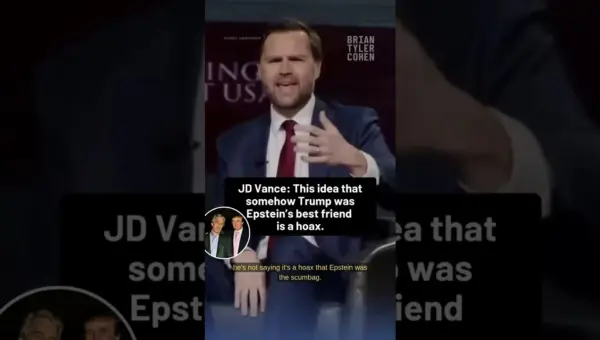
Vance Defends Trump: Epstein Friendship Claim Is A Hoax
Senator JD Vance asserts that claims of Donald Trump being close friends with Jeffrey Epstein are a "hoax." Vance cited emails suggesting a mutual dislike and even Trump reporting Epstein to authorities, arguing this refutes the "best friend" narrative pushed by Democrats.

Trump’s Allies Rebel: Conservatives Slam President’s Policies
Prominent conservative figures and lawmakers are openly criticizing President Trump's policies in 2026, signaling a growing divide within the movement. From Candace Owens questioning the Iran conflict to Senator Rand Paul challenging trade policy, a wave of dissent is challenging the president's agenda.