Ukraine Strikes Deep: Russia Reels From Drone Attacks
Ukrainian drones have successfully struck Russian port facilities deep within Russia, highlighting air defense vulnerabilities and causing panic on Russian state television. The attacks aim to disrupt Russia's war economy, while Moscow struggles with internal internet restrictions and continues its propaganda efforts.

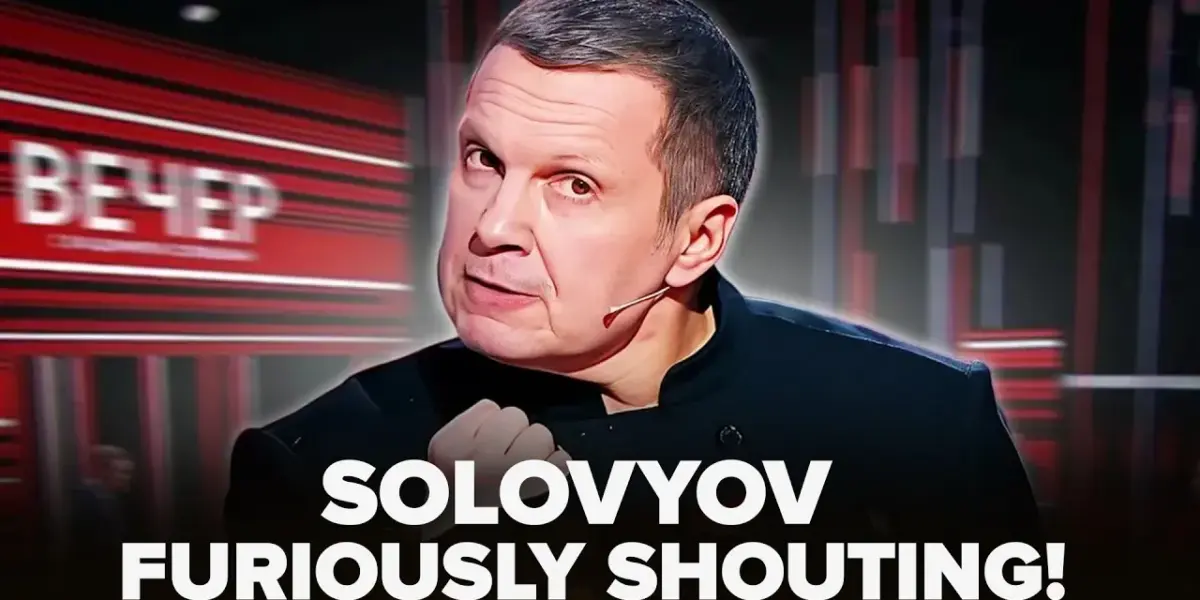
Ukraine Strikes Deep: Russia Reels From Drone Attacks
Recent Ukrainian drone attacks have targeted key Russian infrastructure, including the port of Luga in the Leningrad region, located over a thousand kilometers from Ukraine’s borders. These strikes highlight potential weaknesses in Russia’s air defense systems, as Moscow has struggled to respond effectively. The attacks come amid escalating rhetoric from Russian officials, who have resorted to threats against Ukraine and Baltic states rather than concrete actions.
The situation has led to visible panic and infighting within Russian media circles. State television personalities, like Vladimir Solovyov, have expressed alarm, with some even suggesting Ukraine could strike Red Square.
This fear appears to stem from the successful penetration of Russian airspace by Ukrainian drones, which have repeatedly hit targets deep within Russia. The attacks on Luga and Novorossiysk, where 100 houses were reportedly damaged, have caused significant disruption and highlighted Russia’s inability to fully protect its territory.
Russia’s Internal Struggles and Propaganda
Meanwhile, Russia is experiencing internal issues, including mobile internet restrictions that are impacting businesses. Payment terminals, online banking, and tax services have faced disruptions in major cities like Moscow and Saint Petersburg.
State media figures like Solovyov are attempting to justify these restrictions, claiming they are necessary for national security. However, critics argue these measures are a sign of weakness and highlight the regime’s inability to provide basic services and a stable online environment for its citizens.
The Kremlin continues to promote a narrative of national unity and patriotic fervor, even as battlefield realities suggest otherwise. Footage has emerged of children in the Belgorod region performing dances to a speech by President Putin that announced the start of the war in 2022.
This has been interpreted by some as evidence of a generation being indoctrinated with militaristic propaganda. Russian state media also continues to frame the conflict as a defensive struggle against Western influence, often employing religious and historical rhetoric to justify their actions.
Strategic Implications and Geopolitical Fallout
The repeated Ukrainian drone strikes on Russian territory, particularly on port facilities, carry significant strategic implications. These attacks aim to disrupt Russia’s logistical capabilities and war-fighting economy.
By targeting oil sales, Ukraine seeks to cut off profits that fund the Russian military. The inability of Russian air defenses to consistently intercept these drones raises questions about the effectiveness of their military hardware and readiness.
The Kremlin’s response has been largely characterized by threats and the amplification of propaganda, rather than effective countermeasures. This dynamic suggests a potential disconnect between Russia’s stated military strength and its actual battlefield capabilities. The ongoing conflict and Russia’s internal challenges also have broader geopolitical consequences, potentially weakening its influence on the global stage and encouraging further resistance from neighboring states.
Historical Parallels and Future Outlook
The current conflict echoes historical patterns of prolonged military engagements where initial objectives are not met, leading to a protracted struggle. Russia’s struggle to capture the Donbas region for over a decade, despite its military might, is a stark example. The narrative of a weakened Russia facing challenges from a determined Ukraine, which is receiving Western support, draws parallels to other conflicts where underestimation of an adversary has led to prolonged and costly wars.
The situation remains fluid, with both sides continuing their military operations. Ukraine’s ability to strike deep into Russian territory suggests a growing capability to project force.
Meanwhile, Russia appears to be doubling down on its rhetoric and internal control measures. The coming weeks and months will likely determine the effectiveness of Ukraine’s strategy to disrupt Russian war efforts and the Kremlin’s ability to manage both external and internal pressures.
Source: 😱Solovyov shouted across entire studio! Panicking over powerful strikes on Russia. Chaos on air (YouTube)

Related Articles

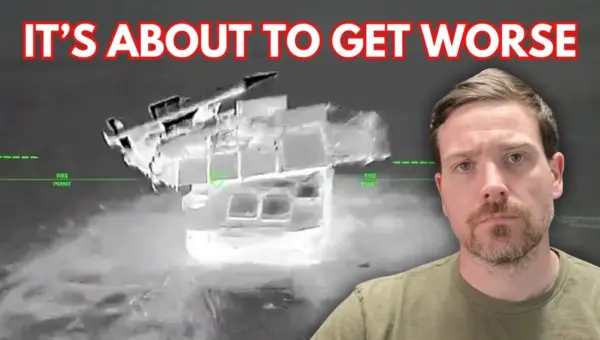
Ukraine’s Drones Hit Russian Rear: A New War Phase
Ukraine is now using medium-range drones to strike Russian logistics hubs like Donetsk, deep behind enemy lines. This new strategy targets supply routes, disrupting Russia's ability to fight. Meanwhile, Russia continues its heavy missile and drone attacks on Ukrainian cities.
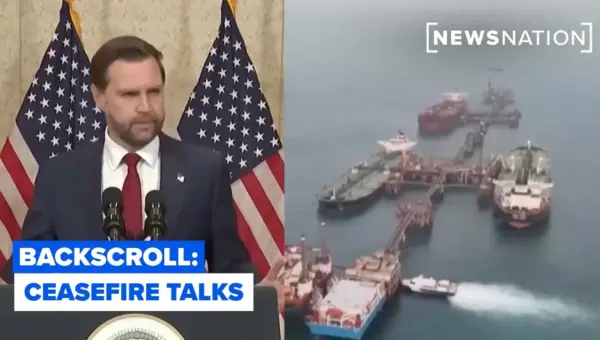
Iran Nuclear Talks Collapse: Blockade Looms, Prices Soar
U.S.-Iran nuclear talks have failed, leading President Trump to announce a naval blockade of the Strait of Hormuz. The breakdown centers on Iran's commitment to nuclear non-proliferation. This action is expected to cause significant increases in global fuel and air travel prices.

Iran’s Oil Sites Explode Amid Gunfights and Naval Threats
Mysterious explosions have hit Iran's oil infrastructure, raising concerns about sabotage. Meanwhile, IRGC officials were killed in a violent ambush, and Iran continues to threaten US naval forces. The US military remains on high alert, ready to resume operations if a ceasefire collapses.