Health Secretary Faces Scrutiny Over Budget Cuts, Agency Actions
Secretary of Health and Human Services Xavier Becerra faced sharp criticism during a House hearing over proposed budget cuts and agency actions. Lawmakers questioned funding reductions for key health agencies, the administration's stance on controversial medical procedures, and the handling of public health research.

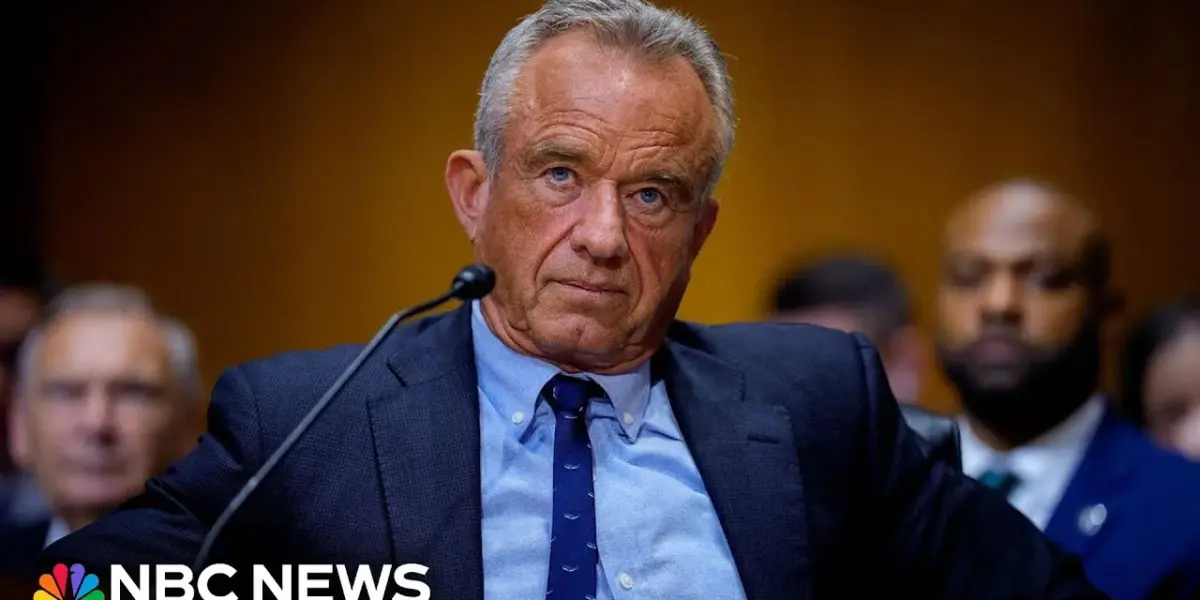
Health Secretary Defends Budget Amidst Congressional Criticism
Secretary of Health and Human Services (HHS) Xavier Becerra appeared before a House committee hearing to discuss the administration’s proposed budget for fiscal year 2027. The hearing, led by Chairman Robert Aderholt, quickly became a platform for sharp criticism from lawmakers regarding proposed funding cuts and recent agency actions under Becerra’s leadership.
Ranking Member Mark Pocan, among others, expressed strong disappointment with the proposed budget, which includes a significant $16.5 billion cut to health agencies. Pocan characterized the cuts as a “shameful reversion to the same extremism” and a failure to address rising costs for American families. He argued that the administration’s focus on overseas wars, coupled with proposed cuts to essential services like childcare and healthcare, demonstrates a misaligned set of priorities.
Concerns Raised Over Chronic Disease, Child Surgeries, and Rural Healthcare
Lawmakers voiced concerns about the administration’s approach to public health challenges. One member commended Secretary Becerra for charting a new course to fight chronic disease, acknowledging that simply increasing funding does not always improve outcomes. However, the hearing also addressed controversial actions, including the Department of Health and Human Services’ efforts to end what are described as “mutilating surgeries on children” and the practice of sex change surgeries on minors, which are cited as causing irreversible harm.
The state of rural healthcare was another significant topic. Members highlighted the ongoing closures of rural hospitals, the existence of “maternity deserts,” and limited access to general surgery in these areas. It was noted that while a significant bill provided substantial funding for rural health transformation, discretionary investments are still needed to fully address these critical gaps in care.
Debate Over Enforcement and Protection of Rights
Enforcement of conscience rights protections, specifically the Weldon Amendment, was also a point of contention. This amendment prohibits discrimination against healthcare entities that refuse to provide coverage for abortions. Lawmakers accused previous administrations of ignoring the law to protect certain viewpoints, while the current administration announced an investigation into 13 states for alleged violations of the amendment.
The issue of chemical abortion drugs, specifically mifepristone, also surfaced. A lawmaker questioned how the department can address the risks associated with these drugs without comprehensive reporting of serious adverse events. Secretary Becerra stated he could not comment due to ongoing litigation, citing advice from the Office of General Counsel.
Microlastics and Public Health Warnings
On a different note, both lawmakers and the Secretary acknowledged recent efforts to address microlastics in American drinking water. The classification of microlastics as water contaminants by HHS and the EPA was praised as an important step. Studies suggest these particles can cause respiratory damage and increase the risk of heart attack and stroke, with evidence of their presence even in newborns.
The discussion also touched upon the impact of plastic consumption, with a reference to a book suggesting plastic in the brain may be linked to dementia. This highlights a growing concern about environmental contaminants and their direct impact on human health.
Criticism of Agency Leadership and Research Funding
Significant criticism was leveled against the administration’s handling of key public health agencies. Lawmakers pointed to reports of hundreds of CDC staff on administrative leave for over a year, costing taxpayers millions, while essential functions like tobacco prevention and maternal mortality research are affected. They questioned why these experts could not be brought back to work, similar to staff focused on occupational health.
Concerns were also raised about potential political interference in scientific research. The termination of hundreds of NIH research grants was cited, with accusations that the decisions were based on political disagreement rather than scientific merit or rule-breaking. The administration’s approach to vaccine advisory panels and the CDC director’s departure also drew sharp remarks, with allegations of prioritizing personal beliefs over empirical data and scientific research.
Budget Proposals Face Strong Opposition
Specific budget proposals drew direct opposition. Lawmakers stated unequivocally that proposed cuts to NIH research by $6 billion and to the CDC by 30% would not be accepted. Similarly, proposals to eliminate the Substance Abuse and Mental Health Services Administration (SAMHSA) and the LIHEAP program were met with firm rejection.
The argument was made that defunding the CDC weakens public health, cutting NIH funding harms medical research, and removing millions from health insurance coverage does not improve access to quality care. The administration’s actions on funding, including extended short-term funding schedules, were criticized as hindering the core functions of HHS agencies.
Secretary Becerra’s Defense and Vision
In his opening statement, Secretary Becerra defended the administration’s agenda, framing it as a necessary response to a “generational turning point” where children are reportedly the “sickest generation in modern history” due to decades of failed policies. He emphasized a commitment to challenging the status quo and prioritizing the health of the American people.
Becerra highlighted achievements such as negotiating drug prices, increasing healthcare pricing transparency, reforming prior authorization processes, and promoting healthier dietary guidelines. He also pointed to investments in rural health, efforts to combat addiction, and the protection of children from harmful procedures as key priorities. He stated that the proposed budget invests in prevention, arguing it is less costly and yields better outcomes than treating diseases.
Looking Ahead: Rural Healthcare and Funding Decisions
The committee indicated a willingness to work with the Secretary on specific issues, such as conducting studies to evaluate the accuracy of the Medicare hospital wage index methodology. This evaluation is seen as crucial for developing statutory solutions to support struggling rural hospitals.
The hearing concluded with a clear indication that Congress intends to push back against many of the proposed budget cuts. The focus now shifts to the appropriations process, where lawmakers will determine the final funding levels for HHS agencies, potentially leading to significant disagreements with the administration’s proposals.
Source: LIVE: Secretary Kennedy testifies at House hearing | NBC News (YouTube)

Related Articles

HHS Budget Debate: Cuts vs. Investment in Health
A recent congressional hearing on the HHS budget revealed deep divisions over proposed cuts versus investments in public health. Lawmakers criticized significant reductions to agencies like the NIH and CDC, while Secretary Kennedy defended the administration's focus on health reform. The debate highlights the ongoing challenge of balancing healthcare spending with the need to improve national health outcomes.


Army Leaders Face Tough Questions on Budget and Readiness
Army Secretary Daniel J. Driscoll and General Christopher D. LaNeve faced sharp questions from the House Appropriations Subcommittee on Defense regarding the Army’s fiscal year 2025 budget. Lawmakers focused on funding for modernization, readiness challenges, and personnel retention. The leaders defended the budget request, highlighting investments in new technologies and efforts to maintain a ready fighting force amidst global instability.


Major Study: Fluoride in Water Shows No Harm to Brain Function
A major U.S. study following over 10,000 people for decades found no negative effects of fluoride in drinking water on brain function. Published in the Proceedings of the National Academy of Sciences, the research contradicts claims linking fluoride to cognitive decline. Dentists hail fluoride as a key public health achievement for preventing tooth decay.