Speaker Johnson Cancels Votes Amidst GOP Turmoil
House Speaker Mike Johnson canceled votes amid internal GOP pressure, fueled by poor polling for Donald Trump and fears of electoral defeat. Democrats criticize the rebranding of a tax bill and question executive funding decisions, highlighting deep divisions within the Republican party.

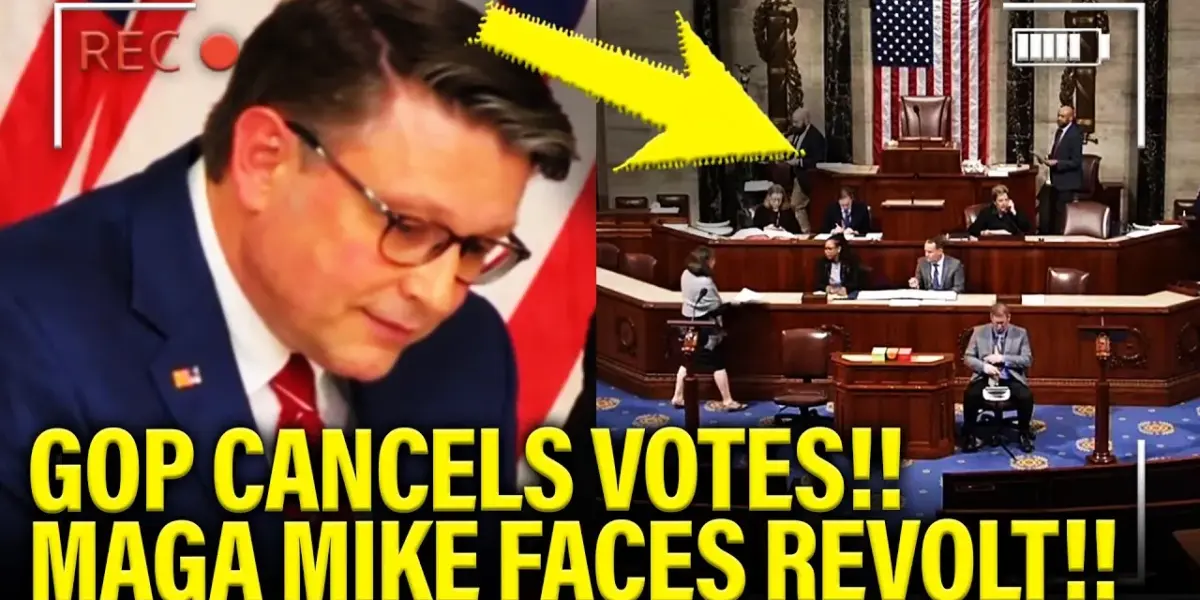
Speaker Johnson Cancels Votes Amidst GOP Turmoil
In a surprising move, House Speaker Mike Johnson canceled all scheduled votes on a Wednesday night, sending members home. This decision came as pressure mounted from within his own Republican party, with some lawmakers fearing electoral defeat due to current political trends and public sentiment. The atmosphere in Congress is described as tense, with deep divisions surfacing within the GOP.
Reports suggest a growing unease among Republican strategists and allies, who are increasingly resigned to losing control of the House and potentially the Senate. This pessimism is partly blamed on messaging inconsistencies and what some describe as distractions originating from the White House. A key concern is the party’s perceived lack of a clear, consistent economic message that resonates with voters, a strategy a senior adviser to Donald Trump’s 2024 campaign reportedly advocates for.
Public Opinion and Republican Woes
New polling data indicates a significant public disapproval of Donald Trump’s performance, even in polls conducted by outlets often seen as favorable to Republicans. For instance, a Fox poll reportedly showed a record 64% of voters disapproving of Trump’s handling of taxes, an 11-point increase from the previous year. This trend extends to other critical issues like inflation and foreign policy, with Trump’s approval ratings reportedly underwater across various demographics, including young people, Latinos, and even white, non-college-educated men.
The situation is dire enough that some reports compare Trump’s current disapproval ratings unfavorably to Richard Nixon’s during his resignation period. This widespread disapproval is causing panic among Republicans on Capitol Hill, who worry that current events, such as the conflict in Iran, could further jeopardize their chances in upcoming elections. Many lawmakers feel the party currently offers voters little substantial policy to campaign on, a sentiment echoed by Trump pollsters.
The ‘Working Families Tax Cuts’ Rebrand
Amidst this turmoil, Speaker Johnson’s office introduced a resolution to commemorate a previously passed tax bill, which had been rebranded as the “Working Families Tax Cuts.” This renaming effort is seen by critics as a transparent attempt to improve the bill’s public image, as the original legislation is reportedly unpopular. Democrats have sharply criticized this move, questioning the priorities of the Republican majority.
Democratic Representative Jamie Raskin, speaking on the House floor, voiced strong objections to debating a commemorative resolution for a rebranded bill. He argued that Congress should instead focus on pressing issues like the cost of living, soaring gas prices, and rising healthcare costs. Raskin pointed out that the name “Working Families Tax Cuts” does not actually appear in the bill itself, suggesting it was a marketing tactic created by consultants to make an unpopular policy more palatable.
“I know. Do y’all realize how ridiculous and how pathetic that is?”
Rep. Jamie Raskin
Raskin further highlighted the absurdity of the situation, noting that no Republican lawmaker was willing to publicly defend the merits of the bill under its original or new name. He suggested that the rebranding was a response to the deep unpopularity of both the bill and Donald Trump himself, who is reportedly more unpopular now than any president in modern history.
Speaker Johnson’s Press Conference and Controversial Remarks
Following the vote cancellation, Speaker Johnson held a press conference surrounded by other Republican lawmakers. During the conference, he addressed a recent statement made by Pope Francis, who had commented on those who engage in war. Johnson defended the administration’s actions, referencing the “just war” doctrine and suggesting that taking away the ability of Iran, described as the largest sponsor of terrorism, to harm others is a positive outcome.
Johnson stated that religious leaders who enter political discourse should expect a political response. His remarks came after the Pope suggested that Jesus does not hear the prayers of those who engage in war. Johnson’s defense of the administration’s actions, particularly in the context of the Iran conflict, drew criticism for its perceived theological and political implications.
Scrutiny of Executive Actions and Funding Decisions
In other congressional proceedings, House Oversight Committee members questioned Russ Vought, the director of the Office of Management and Budget (OMB), regarding alleged political motivations behind funding decisions. Congresswoman Jasmine Crockett presented evidence from federal judges who ruled that the OMB’s freeze of billions in child care and family assistance funds appeared designed to punish communities that did not support the current administration. Vought defended the actions, stating the focus was on states he believed were mismanaged.
The Government Accountability Office (GAO) has also reportedly found that the OMB broke the law multiple times by refusing to spend Congressionally approved funds. Critics argue these actions undermine Congress’s power of the purse and are politically motivated attempts to retaliate against states that did not vote for Donald Trump. This has led to accusations that the administration is engaging in vindictive and unlawful behavior, causing irreparable harm to the American people.
IRS and Taxpayer Fund Scrutiny
In the Senate, Democratic Senator Ron Wyden questioned a senior IRS official about Donald Trump’s lawsuit against the agency for $10 billion. Trump alleges that his private tax data was illegally leaked.
Wyden pressed the official on whether US taxpayers would be expected to pay Trump, given the circumstances. The official stated they were not involved in the matter, which they noted was being handled by the Department of Justice.
The situation raises concerns about potential conflicts of interest and the use of taxpayer money. Wyden suggested that the IRS official should have received advice from their ethics office regarding the lawsuit and potential settlement. The exchange highlighted ongoing scrutiny of the IRS and its handling of sensitive taxpayer information, particularly concerning high-profile individuals.
Why This Matters
The cancellation of votes by Speaker Johnson, coupled with internal GOP dissent and concerning poll numbers for Donald Trump, signals a period of significant instability within the Republican party. The focus on rebranding legislation and the sharp criticisms from Democrats regarding the use of government funds highlight a disconnect between the party’s actions and public priorities. These events highlight the challenges facing the Republican leadership as they attempt to govern and campaign amidst deep internal divisions and public skepticism.
Implications and Future Outlook
The current political climate suggests a challenging road ahead for Republicans. The apparent strategy of rebranding unpopular legislation and the ongoing investigations into executive actions could further alienate voters.
The upcoming elections will likely be a critical test of the party’s ability to unify and present a compelling vision to the electorate. The focus on perceived political retribution in funding decisions and the handling of taxpayer money could become significant campaign issues.
The events of this week point to a potential shift in political strategy, with a greater emphasis on public perception and messaging. However, the underlying policy debates and the effectiveness of the Republican party’s legislative agenda will ultimately determine its electoral success. The coming months will reveal whether the party can navigate these internal conflicts and regain public trust.
Historical Context
The use of legislative tactics like rebranding bills or canceling votes is not entirely new in American politics. Both parties have, at various times, employed strategies to manage public perception or respond to internal pressures.
However, the current intensity of party divisions and the direct impact of public opinion polls on legislative scheduling suggest a heightened level of political volatility. The scrutiny of executive branch actions regarding funding and the legal challenges faced by former presidents also reflect ongoing debates about the balance of power between the branches of government and the ethical conduct of public officials.
Source: 🚨MAGA Mike CANCELS VOTES as GOP REVOLTS!!! (YouTube)

Related Articles
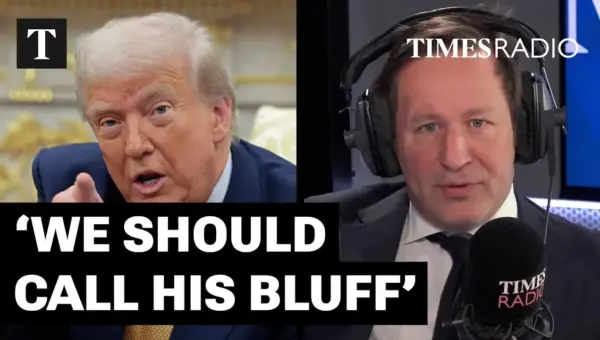
UK Leader Challenges Trump on Iran War Decision
British Chancellor Rachel Reeves has criticized the US decision to end talks with Iran and enter into conflict, calling it a "folly" without a clear exit plan. Experts suggest countries should "call Trump's bluff," citing European examples of asserting independence amid global tensions and potential economic fallout.
Scandals Rock Congress Amidst Global Tensions
As the U.S. prepares for renewed talks with Iran and a historic diplomatic meeting occurs between Israel and Lebanon, Congress faces its own turmoil. Multiple lawmakers are resigning or under investigation amid serious allegations, raising questions about accountability and integrity.

Trump Threatens UK Trade Deal, Fuels Defense Spending Debate
Former U.S. President Donald Trump has threatened to revise the trade deal with the UK, drawing criticism for his unpredictable approach. Meanwhile, UK Chancellor Rachel Reeves has labeled the Iran conflict a mistake, citing economic instability and a lack of clear objectives. The nation also faces an intensifying debate over defense spending amid rising global tensions and a need for a clear investment strategy.