Trump Threatens UK Trade Deal, Fuels Defense Spending Debate
Former U.S. President Donald Trump has threatened to revise the trade deal with the UK, drawing criticism for his unpredictable approach. Meanwhile, UK Chancellor Rachel Reeves has labeled the Iran conflict a mistake, citing economic instability and a lack of clear objectives. The nation also faces an intensifying debate over defense spending amid rising global tensions and a need for a clear investment strategy.

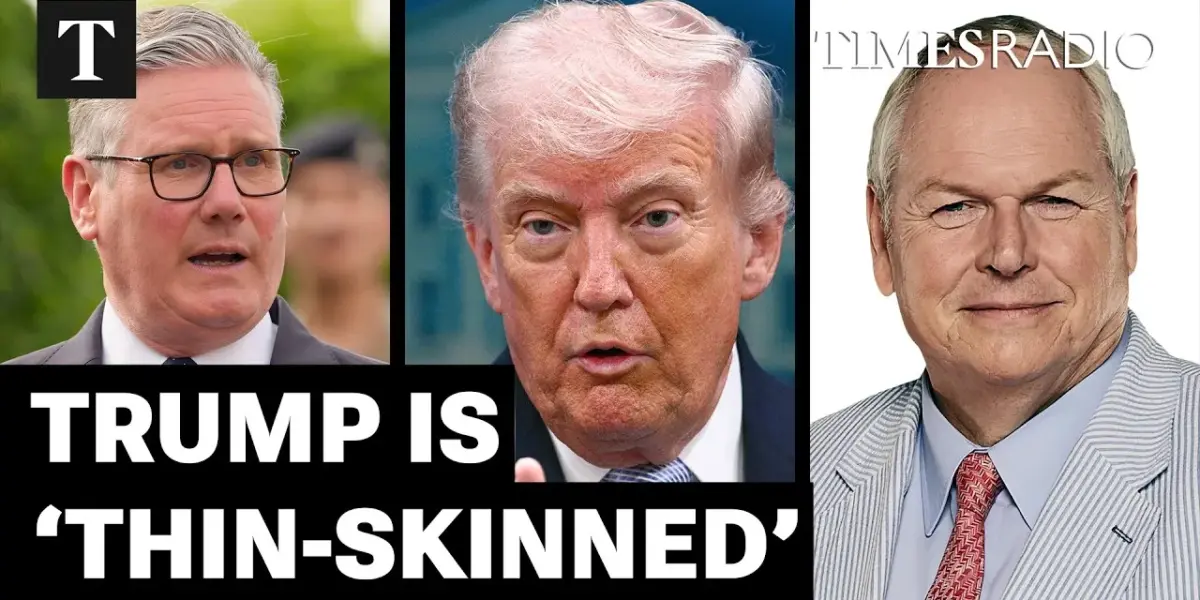
Trump Backtracks on UK Trade Deal, Sparks Controversy
In a recent interview with Sky News, former U.S. President Donald Trump threatened to alter the trade agreement between the United States and the United Kingdom. This move comes as a new swipe against British Prime Minister Rishi Sunak and his government, highlighting sharp differences in their approaches to international policy, particularly concerning the Middle East.
Trump stated that the economic deal, which reduced some U.S. tariffs on British cars, aluminum, and steel, was not as good as he initially thought. He suggested it could be changed, a statement that has drawn criticism for its perceived capricious nature. This pattern of behavior, where threats are made and then sometimes retracted or modified, is a familiar tactic for Trump, who previously engaged in similar tariff disputes with China.
UK Government Criticizes Iran War, Cites Economic Impact
Meanwhile, British Chancellor Rachel Reeves, currently in Washington for meetings with the International Monetary Fund (IMF), called the ongoing conflict in Iran a mistake. She expressed doubts about whether the war has made the world a safer place. Reeves echoed concerns previously voiced by Prime Minister Sunak, stating frustration over the lack of clarity regarding the war’s objectives over the past six weeks.
Speaking at an IMF event, Reeves questioned the shifting aims of the conflict, asking if the goal was regime change, protecting regional partners, halting Iran’s nuclear program, or restarting diplomatic talks. She pointed out that the war’s consequences have negatively impacted both the U.S. and global economies, as well as the UK’s economy. The IMF itself has predicted that the war’s economic fallout will be more severe for Britain than for many of its allies.
Defense Spending Debate Intensifies Amid Geopolitical Tensions
The discussion around defense spending has intensified following comments from former Defence Secretary Lord Robertson, who warned of increasing global tensions. In Parliament, a heated exchange occurred between Prime Minister Sunak and Labour leader Keir Starmer regarding defense budgets. Starmer accused the government of planning cuts to the military to fund welfare programs, while Sunak countered that the government is making record defense spending commitments.
Lord Speller, a former junior defense minister, acknowledged the growing public concern over international threats. He highlighted Russia’s military expansion near Poland and the Baltic states as reasons for increased defense vigilance. Speller emphasized the need for a substantial increase in defense budgets and a clear investment plan, noting that delays in these plans are harming British defense industries and their suppliers.
Challenges in Funding Defense and Maintaining Alliances
The debate reveals a complex situation where the government faces pressure to increase defense spending while also grappling with economic constraints and political considerations. Lord Speller suggested that testing key decisions, such as renewing the nuclear deterrent, in Parliament could help build consensus and secure necessary funding. He stressed that a government’s primary duty is to defend the country and its citizens.
Despite the political noise and potential short-term consequences of Trump’s remarks, the underlying alliance between the U.S. and European nations remains strong. Military cooperation through NATO and bilateral agreements continues, particularly in Eastern Europe and the Baltic region, in response to perceived threats. The focus remains on addressing both immediate crises and long-term security challenges, particularly those posed by Iran’s regional influence and nuclear ambitions.
The coming weeks will likely see continued debate on defense spending and the UK’s role in international conflicts. Decisions made regarding the defense investment plan and budget allocations will be crucial for addressing identified deficiencies and preparing for future threats. The government’s ability to navigate these challenges will be closely watched by allies and the public alike.
Source: Trump’s ‘Bark Worse Than Bite’ As He Threatens To Change UK-US Trade Deal | Adam Boulton (YouTube)

Related Articles
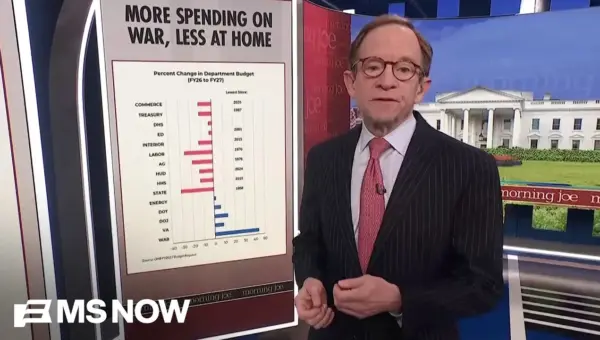
Trump Budget Slashes Domestic Programs, Boosts Defense
President Trump's new budget proposal calls for deep cuts to nearly all domestic agencies, including the Labor and Agriculture Departments, while significantly increasing defense spending. This plan aims for a dramatic restructuring of federal priorities, but relies on optimistic economic growth forecasts to project debt reduction. Analysts suggest the proposal could offer Democrats substantial campaign advantages in upcoming elections.

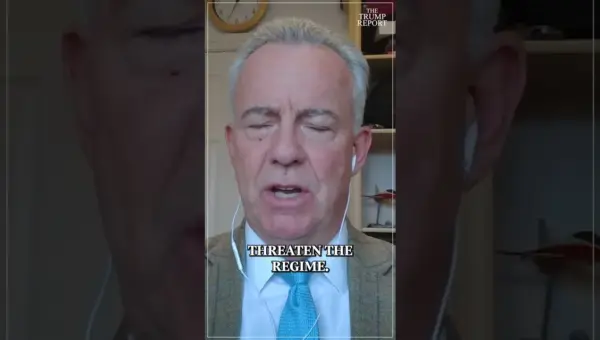
Trump’s Troop Gambit: A Risky Mideast Play?
Reports of thousands of U.S. troops heading to the Middle East clash with President Trump's claims of an impending end to the war. This analysis explores the potential risks and high price of using ground forces as leverage, questioning if the President is prepared for the potential human and political costs.
Trump Pursues Iran Nuclear Deal Differently Than Obama
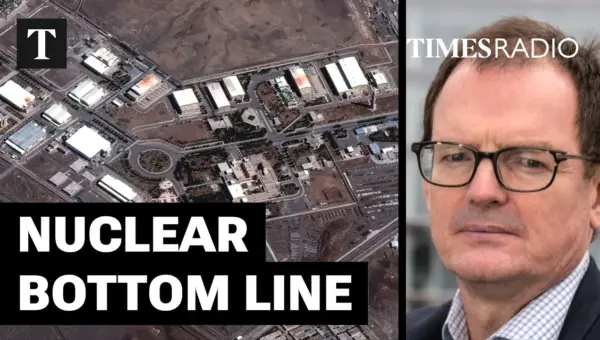
The Trump administration is reportedly seeking a new nuclear deal with Iran, focusing on a total enrichment moratorium, a departure from the 2015 Obama-era agreement. Reports suggest a 20-year freeze, though specifics remain unclear amidst mixed messaging from Washington. Meanwhile, separate U.S.-brokered talks aim for a ceasefire in Lebanon, potentially impacting regional stability.