Trump’s Tax Plan Boosts Refunds, Encourages Work
Treasury Secretary Scott Bessent highlighted tax benefits from President Trump's "Big Beautiful Bill Act," noting a 13% rise in tax refunds and increased overtime pay. The act also introduces "Trump Accounts" offering $1,000 seed funding for eligible children, aiming to boost savings.

Trump’s Tax Plan Boosts Refunds, Encourages Work
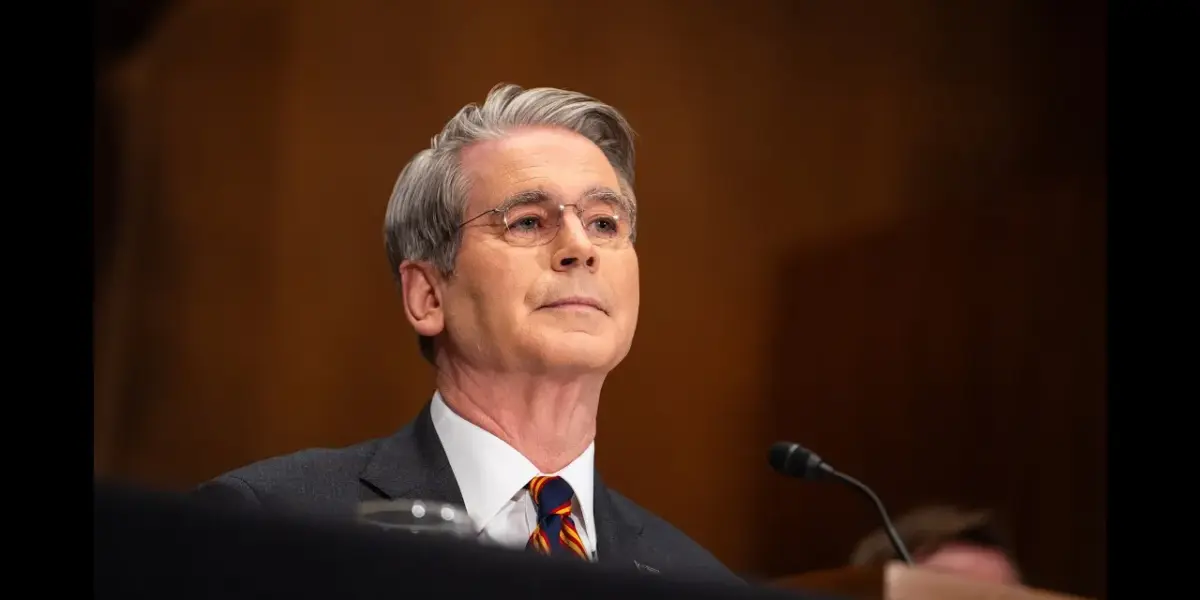
Treasury Secretary Scott Bessent recently praised the tax benefits of President Trump’s “Big Beautiful Bill Act.” He spoke at CNBC’s Invest in America forum, stating that Americans are already feeling the positive effects of this legislation.
According to Bessent, tax refunds have increased by 13 percent. As of April 12th, over 52 million tax returns had been filed. He noted that 45 percent of these returns included at least one of the President’s four main policies.
These signature policies include no tax on tips and no tax on overtime pay. They also offer reduced taxes for seniors and allow the deductibility of auto loans for American-made cars. Bessent highlighted that the most popular provision by far is the no tax on overtime, with nearly 25 percent of filers taking advantage of it.
Bessent emphasized the principle behind this policy. “The American way. You want to work harder, you keep more of it,” he stated, suggesting the plan rewards increased effort with greater take-home pay.
Trump Accounts Offer Seed Funding for Children
Beyond immediate tax relief, Bessent also discussed “Trump Accounts” established under the same act. These accounts aim to provide financial support for American children.
He reported that 5 million children have been signed up for Trump Accounts. Out of these, 1.2 million are eligible for $1,000 in seed funding. All American children under the age of 18 can be enrolled in the program.
For children born between January 1st, 2025, and December 31st, 2028, the Treasury will provide $1,000 as initial seed money. This initiative appears designed to encourage early savings and financial planning for younger generations.
Why This Matters
The claims made by Secretary Bessent point to a significant economic approach by the Trump administration. The focus on tax cuts, especially for overtime work, aims to directly incentivize increased labor participation and productivity. This strategy suggests a belief that lower taxes on earned income will stimulate economic activity from the ground up.
The introduction of “Trump Accounts” for children represents another facet of this economic vision. By offering seed funding, the program seeks to promote long-term financial security and potentially encourage investment from an early age. This policy could be seen as an attempt to address future economic challenges by building a foundation for younger citizens.
Historical Context and Trends
Tax policy has always been a central tool in shaping economic outcomes. Throughout American history, presidents have used tax cuts and incentives to spur growth, support specific industries, or provide relief to citizens. For example, the Reagan administration’s tax cuts in the 1980s aimed to stimulate the economy through supply-side economics.
Similarly, the idea of government-backed savings or investment programs for children is not entirely new. Various forms of educational savings accounts or child tax credits have been implemented in the past, though the specifics of “Trump Accounts” and their direct Treasury funding are distinct.
Implications and Future Outlook
If the reported increase in refunds and the uptake of overtime tax relief continue, it could signal a positive short-term impact on household incomes. The incentive to work more overtime might lead to increased consumer spending, which in turn could boost economic growth. This approach aligns with a philosophy that prioritizes individual earning potential and lower tax burdens.
The long-term effects of “Trump Accounts” will depend on their implementation and how widely they are adopted. Such programs could contribute to a culture of saving and investment among younger Americans. However, their success will also be measured against their cost to the government and their effectiveness in genuinely improving long-term financial well-being compared to other potential uses of public funds.
The policies highlighted by Secretary Bessent reflect a broader debate about the best ways to achieve economic prosperity. One side argues for reducing taxes to encourage work and investment, while others may advocate for different forms of government support or public spending.
The “Big Beautiful Bill Act” and its associated programs, like the Trump Accounts, represent a specific set of policy choices. The coming years will show how these choices affect American families and the overall economy, especially as new children become eligible for the $1,000 seed funding starting in 2025.
Source: Bessent Lauds Tax Benefits Under One Big Beautiful Bill Act (YouTube)

Related Articles

Tax Refunds Bolster Economy, But Inflation Woes Linger
The Trump administration is promoting increased tax refunds as a key economic benefit, aiming to boost consumer spending and frame tax season positively. While the stock market shows strength, persistent inflation and high living costs present ongoing challenges for American households.


Tax Law Changes Spark Debate: Citizens Share Their Views
As tax season arrives, Americans are sharing their thoughts on recent changes to their returns. While some welcome increased refunds due to new laws, others question government spending and the idea of abolishing income tax entirely. The public's views highlight ongoing debates about fairness and efficiency in the tax system.

Trump Erodes DOJ Independence, Says Former Attorney
Former Trump attorney Todd Blanche stated that the separation between the White House and the Department of Justice has been erased. He explained that the president's ultimate authority over the DOJ aligns with the 'unitary executive theory.' This marks a significant departure from post-Watergate efforts to ensure the department's independence.