Trump Erodes DOJ Independence, Says Former Attorney
Former Trump attorney Todd Blanche stated that the separation between the White House and the Department of Justice has been erased. He explained that the president's ultimate authority over the DOJ aligns with the 'unitary executive theory.' This marks a significant departure from post-Watergate efforts to ensure the department's independence.

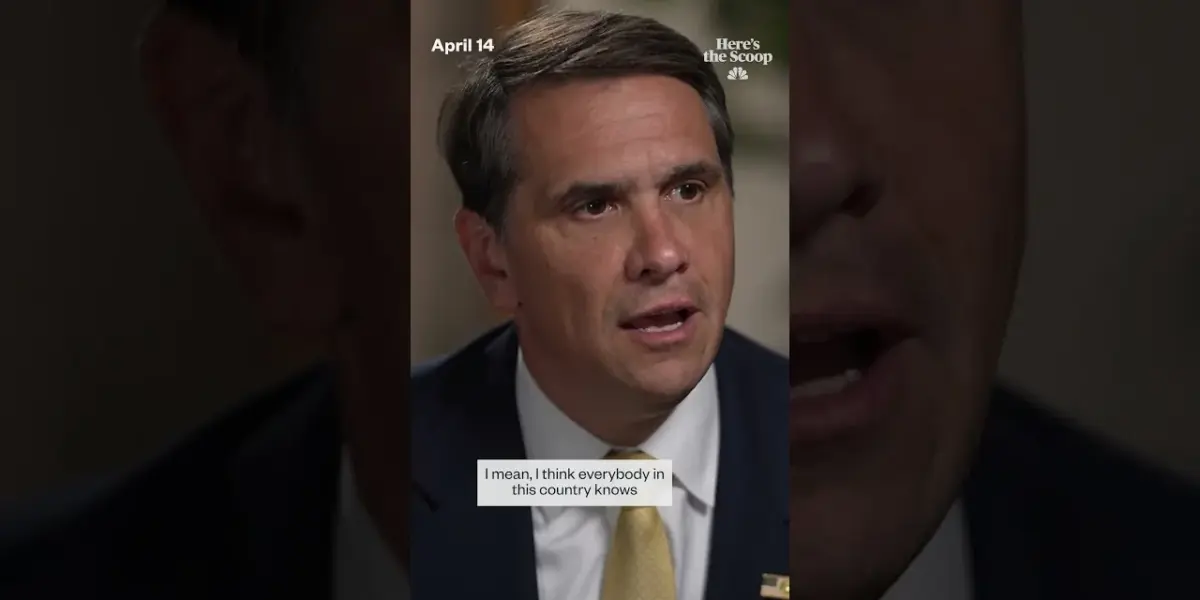
DOJ Independence Eroded Under Trump, Former Attorney Claims
The long-held separation between the White House and the Department of Justice (DOJ) has been significantly weakened, if not entirely erased, under the Trump administration. This shift is a departure from decades of practice aimed at ensuring the DOJ’s independence from political influence. The comments come from Todd Blanche, a former attorney for Donald Trump, who spoke about the relationship between the president and the nation’s top law enforcement agency.
Blanche’s remarks highlight a perception that the DOJ has been used as a tool to target political opponents. Critics have pointed to actions against figures like Adam Schiff, New York Attorney General Letitia James, and Federal Reserve Chair Jerome Powell as examples of this alleged weaponization. This raises serious questions about fairness and impartiality within the justice system.
Who Is in Charge at the DOJ?
When asked directly about who directs the Department of Justice, Blanche acknowledged the president’s ultimate authority. He stated that the president is the boss of the attorney general, a role that has historically been understood since the Constitution’s inception. This perspective suggests a direct line of command from the Oval Office to the DOJ.
Blanche explained that for nearly 250 years, the president has been the one calling the shots within the executive branch. This includes appointments and decisions made by the Department of Justice. The acting attorney general, he noted, reports to the president, reinforcing the idea of presidential control.
The ‘Unitary Executive Theory’
The current approach, according to Blanche, aligns with the ‘unitary executive theory.’ This legal concept suggests that all executive power is concentrated in the president. Under this theory, the president has broad authority to hire and fire officials within the executive branch, including those at the DOJ.
Blanche admitted that if the president wished to remove him from his position, he would readily accept it. This willingness to be dismissed highlights his understanding of the president’s supreme authority. It reflects a significant departure from the perceived independence that characterized the DOJ for many years.
A Post-Watergate Shift
Following the Watergate scandal, there was a concerted effort to create an appearance of distance between the White House and the DOJ. This was intended to restore public trust and ensure that the department operated without political interference. The goal was to prevent the perception that the DOJ was being used for political gain.
However, Blanche stated that this perceived distance has now been completely eliminated. He suggested that the administration is not even attempting to hide this closeness. This openness about the connection between the president and the DOJ is a stark contrast to previous administrations that emphasized impartiality.
The Illusion of Separation is Gone
The effort to maintain an illusion of separation between the White House and the Justice Department has been a hallmark of governance for decades. This was seen as crucial for upholding the rule of law and public confidence in the legal system. It was an unspoken agreement to keep political considerations out of prosecutorial decisions.
Blanche’s comments indicate that this illusion is no longer a priority. The administration appears to operate under the belief that this close relationship is not only acceptable but also a natural extension of presidential power. This challenges the long-standing norms that have guided the DOJ’s operations.
Looking Ahead
The implications of this shift in the relationship between the White House and the DOJ are significant. It raises concerns about the potential for politically motivated investigations and prosecutions. The public’s trust in the impartiality of the justice system may be further tested as these dynamics play out.
Future actions and statements from the DOJ, as well as any legal challenges related to its independence, will be closely watched. The ongoing debate over the interpretation of executive power and its limits will continue to shape the legal and political landscape.
Source: How separation between the White House and DOJ has changed under Trump (YouTube)

Related Articles

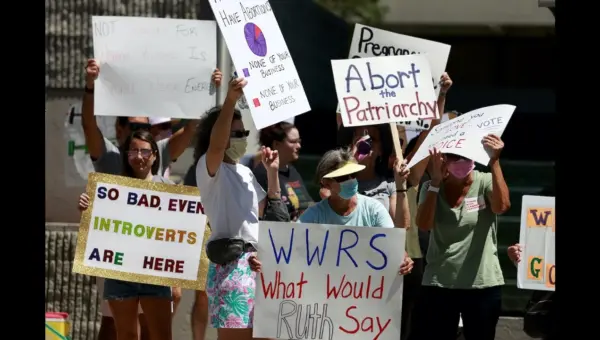
DOJ Accused of Targeting Pro-Life Advocates: A Justice System Divided?
A new report alleges the Biden DOJ used federal law to target pro-life Americans, creating a two-tiered justice system. Statistics suggest a disproportionate number of pro-life individuals were prosecuted with longer sentences. This has raised serious concerns about fairness and the erosion of public trust in government institutions.


China Tests US Resolve in Hormuz Strait Standoff
Amidst rising tensions in the Strait of Hormuz, China is reportedly testing the U.S. administration's resolve through actions involving Chinese-owned vessels. This strategic probing, experts suggest, aims to gauge American commitment and potentially gain leverage ahead of upcoming U.S.-China summits. The situation highlights China's complex geopolitical maneuvering and its long-standing relationship with Iran.

Trump’s Tax Plan Boosts Refunds, Encourages Work
Treasury Secretary Scott Bessent highlighted tax benefits from President Trump's "Big Beautiful Bill Act," noting a 13% rise in tax refunds and increased overtime pay. The act also introduces "Trump Accounts" offering $1,000 seed funding for eligible children, aiming to boost savings.