Iran’s AI Videos Mock US, Sparking Online Propaganda War
Iran is leveraging AI-generated videos, including Lego-style animations, to mock the US and influence Western audiences amidst ongoing global conflict. These clips, produced with remarkable speed by groups like Explosive Media, highlight a new era of online warfare where accessible AI tools empower activists to create impactful propaganda at an unprecedented scale. The rapid, real-time response capability of these AI videos marks a significant shift in how nations engage in the information battlefield.

Iran’s AI Videos Mock US, Sparking Online Propaganda War
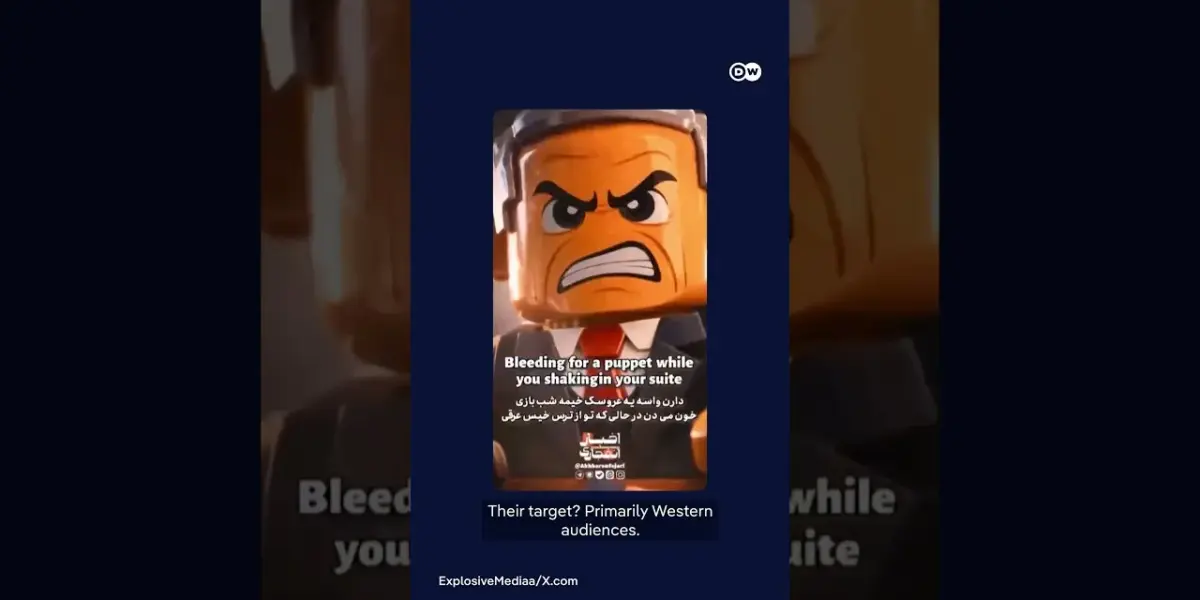
In the ongoing information war alongside global conflicts, Iran has unleashed a barrage of AI-generated videos, including Lego-style animations, to critique and mock the United States. These clips, often set to popular music and targeting Western audiences, have gained millions of views since the US and Israel began their operations against Iran over a month ago. Currently, there appears to be no equivalent counter-narrative from the American side to challenge these AI-driven messages.
The emergence of these sophisticated AI videos signals a new era of online warfare. Young, tech-savvy activists worldwide, armed with accessible AI tools, can now produce sharp satire and content that resonates with vast audiences. This marks a significant shift in the scale and nature of digital propaganda, allowing individuals and groups to create impactful messages with unprecedented speed and reach.
Explosive Media: The Masterminds Behind the Clips
A group calling itself Explosive Media is behind many of these viral animations. They describe themselves as an Iranian Lego-style animation team, claiming to be student-run and entirely independent. Despite their independent claims, official Iranian government accounts have shared these videos, indicating awareness and approval from higher levels.
While the exact level of coordination between Explosive Media and the Iranian government remains unclear, their actions suggest official sanctioning. The government appears to view these AI-generated videos as a valuable tool for shaping public opinion and advancing their narrative on the international stage. This strategy reflects a modern approach to state-sponsored information campaigns.
Speed and Real-Time Response: A New Battlefield Tactic
The speed at which these videos are produced and disseminated is a key factor in their effectiveness. Explosive Media has shown an ability to react in real-time to unfolding events. For example, a video detailing a 10-point plan and a ceasefire announcement was published mere hours after the news broke, not days.
This rapid turnaround represents a significant advancement in how nations respond to real-world events through digital channels. The ability to quickly craft and distribute targeted content allows for immediate engagement with current affairs, potentially influencing public perception before alternative narratives can take hold. This agility is a powerful new weapon in the modern information battlefield.
AI as an Equalizer?
The rise of accessible AI tools raises the question of whether artificial intelligence is becoming a great equalizer in online propaganda. Activists and groups with limited traditional resources can now compete with state-backed media operations by producing high-quality, engaging content. This democratizes the creation of persuasive media, allowing smaller players to have a significant impact.
The trend highlights how technology can empower individuals and non-state actors to participate more actively in geopolitical discourse. While governments have historically controlled the flow of information, AI tools are leveling the playing field, enabling a wider range of voices to be heard and influencing global conversations. The effectiveness of these AI-driven campaigns suggests a need for new strategies to address this evolving form of digital influence.
Broader Implications and Future Trends
The use of AI in propaganda is not limited to Iran; various political factions globally are exploring its potential. The Trump White House, for instance, has also utilized generative AI to promote its agenda. However, the scale and speed demonstrated by groups like Explosive Media appear to be on a different level, particularly in their real-time responsiveness to international events.
This development signals a critical shift in information warfare. As AI technology continues to advance, we can expect to see more sophisticated and rapidly produced content used in propaganda efforts.
Nations and organizations will need to adapt their strategies to effectively counter or engage with this new wave of AI-powered digital communication. Understanding the capabilities and implications of these tools will be crucial in navigating future information conflicts.
The next step will be to observe how Western governments and media outlets respond to this growing challenge. Whether they develop their own AI-driven counter-narratives or focus on debunking misinformation will shape the future of online propaganda battles.
Source: AI videos are dominating US-Iran propaganda war | DW News (YouTube)

Related Articles

GOP Rep Slams Democrats Over Iran War Powers Vote Tactics
House Republicans blocked a Democratic attempt to vote on limiting U.S. military action in Iran. Democrats are seeking Republican support for a war powers resolution. A GOP Congressman criticized the move as politically motivated interference with presidential authority.

Trump’s Iran “Victory” Unravels Amidst Shifting Deadlines
Reports suggest a declared ceasefire with Iran was fictional, with ongoing conflict and a closed Strait of Hormuz. Critics argue Donald Trump's approach has failed, weakening the U.S. and resulting in a broken deal.


Trump’s War Messaging Sparks ‘Apprentice’ Comparisons
Critics are comparing former President Donald Trump's messaging on potential military action against Iran to a reality TV show. This approach has drawn criticism for trivializing the gravity of war, while some argue it's a deliberate media warfare strategy.