Cuba’s President Refuses to Step Down for U.S. Deal
Cuban President Miguel Díaz-Canel refused to step down, even if it were a condition for normalizing relations with the United States. He questioned the premise of the demand, stating Cuban leadership is not chosen by the U.S. government. Díaz-Canel also declined to commit to U.S. calls for releasing political prisoners, multi-party elections, or a free press.

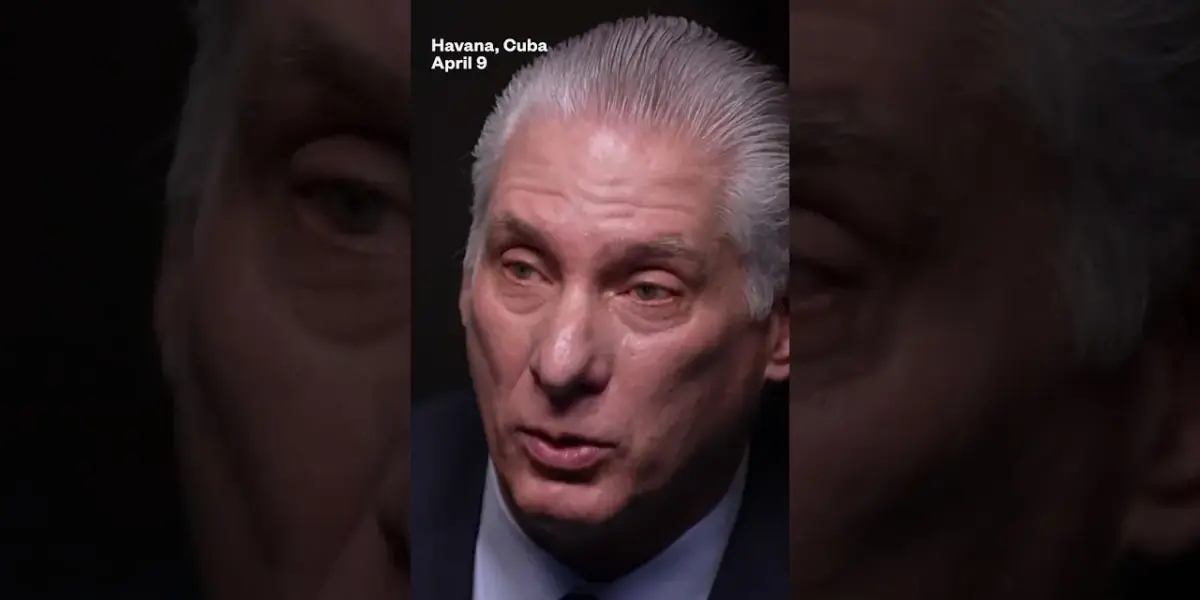
Cuban President Refuses U.S. Demands for Power Shift
Cuban President Miguel Díaz-Canel has stated he will not step down from his position, even if it were a condition for improving relations with the United States. In an interview with NBC News, Díaz-Canel pushed back against the question, asking if such a demand had ever been posed to other world leaders. He emphasized that Cuban leadership is not chosen by the U.S. government and does not require its approval.
No Commitments on U.S. Conditions
The United States has outlined several changes it considers necessary for normalizing ties with Cuba. These include freeing political prisoners, allowing multi-party elections, and establishing a free press.
However, President Díaz-Canel declined to commit to any of these demands during the interview. He suggested the question about his resignation might be influenced by U.S. government talking points.
Presidential Response
When pressed on whether he would consider stepping down to improve relations, Díaz-Canel deflected by questioning the interviewer. He asked if similar questions had been asked of other presidents, specifically mentioning former U.S. President Trump. Díaz-Canel implied that the U.S. government’s desire for political change in Cuba might be the source of the question.
Cuban Leadership’s Mandate
President Díaz-Canel stressed that leaders in Cuba are accountable to the Cuban people, not to foreign governments. He stated that those in leadership positions are not elected by the U.S. government. Therefore, they do not hold a mandate from the U.S. to make decisions regarding their power or the country’s political structure.
U.S. Demands for Normalization
NBC News specifically questioned Díaz-Canel about conditions the U.S. government has set for normalizing relations. These demands are significant and include fundamental changes to Cuba’s political system. The U.S. wants to see the release of individuals considered political prisoners.
It also seeks the establishment of a system where multiple political parties can compete freely. The U.S. is pushing for the creation of a free and independent press within Cuba.
President’s Stance on Key Issues
During the exchange, President Díaz-Canel made it clear he was unwilling to concede on these points. He did not agree to release political prisoners or hold multi-party elections.
He also did not commit to allowing a free press. His responses indicate a firm stance against external pressure dictating Cuba’s internal affairs or leadership changes.
Broader Implications for U.S.-Cuba Relations
This exchange highlights the ongoing challenges in U.S.-Cuba relations. The U.S. continues to push for democratic reforms, while Cuba maintains its sovereignty and rejects what it sees as foreign interference.
President Díaz-Canel’s refusal to yield on key demands suggests that a significant shift in relations is unlikely without major concessions from one side or the other. The differing objectives of both governments remain a major obstacle to normalization.
Looking Ahead
The United States is expected to continue advocating for its stated conditions for improved relations with Cuba. Cuba, under President Díaz-Canel, appears determined to resist external demands for political change. Future developments will likely depend on whether either side softens its position or if new diplomatic avenues can be explored to bridge the gap between their objectives.
Source: Cuban President Miguel Díaz-Canel tells NBC News he's not stepping down (YouTube)

Related Articles

Fragile Ceasefire: Iran Strikes Spark Global Alarm
A fragile ceasefire between Iran and the U.S. is under threat as Iran continues strikes and disputes erupt over the Strait of Hormuz. Key talks are scheduled in Pakistan this weekend to address major sticking points and prevent further escalation.
Germany’s Merz Shifts Stance on Iran Conflict
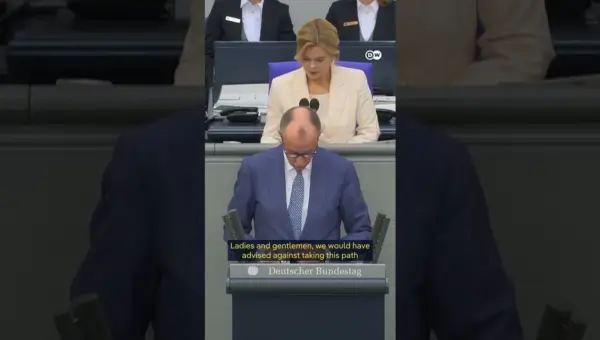
German Chancellor Friedrich Merz is now calling for a diplomatic resolution to the conflict in Iran, emphasizing negotiation to end the war. He expressed concerns about the lack of a unified international plan and the economic consequences, including rising oil prices and predicted slower growth for Germany. Merz's stance marks a shift towards prioritizing diplomacy amidst escalating regional tensions.

Senator Scott Predicts Cuba’s Communist Regime Collapse
Senator Rick Scott predicts the end of Cuba's communist regime, citing the failures of socialism and the desire for freedom. He criticizes Democrats for supporting authoritarian governments and contrasts this with the Republican party's focus on democracy and security. The Senator believes a popular uprising will bring about change in Cuba.