Iran Plays for Time, Using Strait of Hormuz Leverage
Iran is strategically using its control over the Strait of Hormuz to prolong negotiations and ensure regime survival. Threats of disruption to this vital oil shipping lane are driving up global energy prices, with gasoline in Germany reaching $9.20 a gallon. This tactic makes time Iran's most valuable weapon.

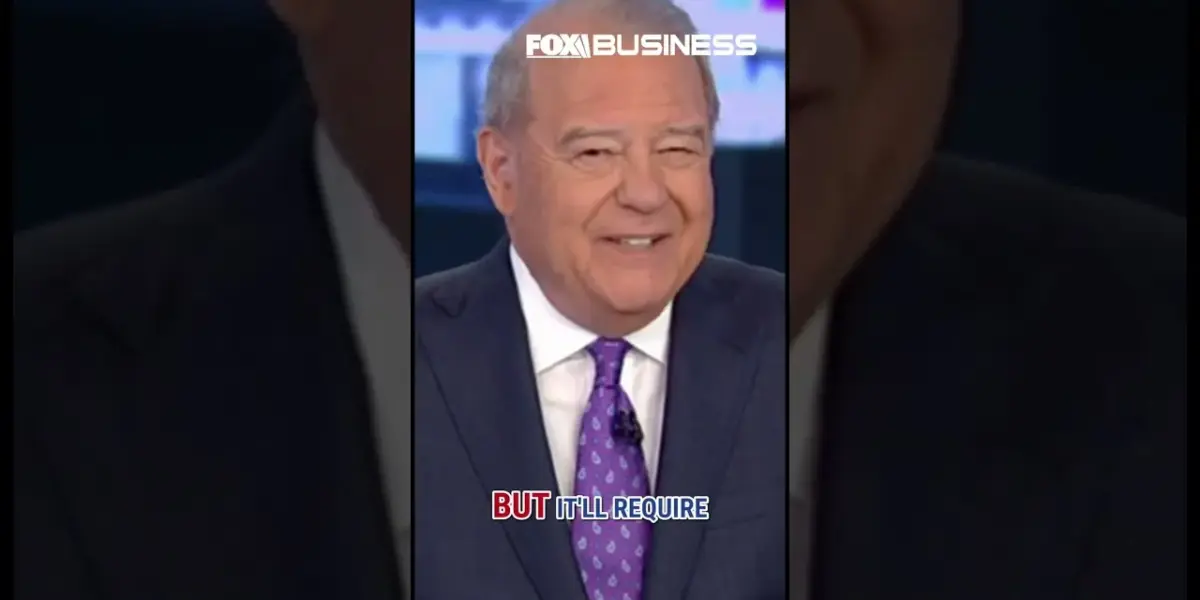
Iran Leverages Strait of Hormuz to Extend Regime Survival
Iran is employing a strategy of playing for time, a tactic they have mastered, to ensure the survival of their regime. This approach centers on prolonging negotiations and leveraging critical global trade routes. Their primary focus remains on maintaining power, and extending discussions serves this ultimate goal.
Two key factors empower Iran’s strategic maneuvering. The first is their control over the Strait of Hormuz, a vital chokepoint for global oil shipments.
This control grants them significant leverage in international dealings. The longer the strait remains a point of contention or potential closure, the greater the impact on global energy markets.
Energy Markets Feel the Pinch
Disruptions or threats to the Strait of Hormuz directly impact the flow of energy. When shipping is hindered, oil and gas become bottlenecked in the Persian Gulf.
This scarcity drives up prices significantly for major consuming regions like Asia and Europe. For instance, gasoline prices in Germany have surged to $9.20 per gallon, illustrating the tangible economic consequences for consumers.
The United States president is reportedly developing a strategy to forcibly reopen the strait. However, such an operation would demand a substantial deployment of naval assets and considerable time to establish a reliable escort system for shipping vessels. This reality is not lost on Iranian leadership, who understand the complexities involved.
A Single Rocket Can Disrupt Global Trade
Iran’s strategic advantage is amplified by the fact that even a single act of aggression can have outsized consequences. They recognize that a single rocket fired at an oil tanker could effectively shut down the Strait of Hormuz. Such an event would not only halt shipments but also cause shipping insurance rates to skyrocket, further disrupting global trade and driving up costs.
This dynamic means that time itself becomes a powerful weapon for Iran. By extending negotiations and maintaining the threat of disruption, they can exert pressure on global powers and secure their own political survival. The prolonged uncertainty benefits their objective of regime endurance.
Market Impact
The ongoing situation in the Strait of Hormuz presents a clear risk to global energy supply chains. Investors and policymakers must monitor developments closely, as any escalation could lead to further volatility in oil prices. The economic impact is felt most acutely in regions heavily reliant on Middle Eastern oil imports.
The strategic positioning of Iran, coupled with the global dependence on oil flowing through the Strait of Hormuz, creates a delicate balance. The potential for disruption, even if short-lived, carries significant economic weight. This situation highlights the interconnectedness of geopolitical stability and energy market health.
What Investors Should Know
For investors, the situation highlights the importance of geopolitical risk in energy markets. The threat of supply disruptions can lead to sharp price increases for oil and related commodities. Companies involved in energy transportation and insurance may see their risks and potential rewards shift based on these developments.
Understanding Iran’s strategic objectives and their methods is crucial for assessing the potential for market swings. The prolonged nature of this standoff suggests that volatility in energy prices may persist. Investors should consider diversification and risk management strategies in light of these geopolitical factors.
The world watches as Iran continues its strategy of playing for time, using its control over a critical global waterway as leverage. The next move, or lack thereof, in the Strait of Hormuz will continue to be a key indicator of global energy market stability.
Source: Varney: Iran knows time is their weapon #shorts (YouTube)

Related Articles
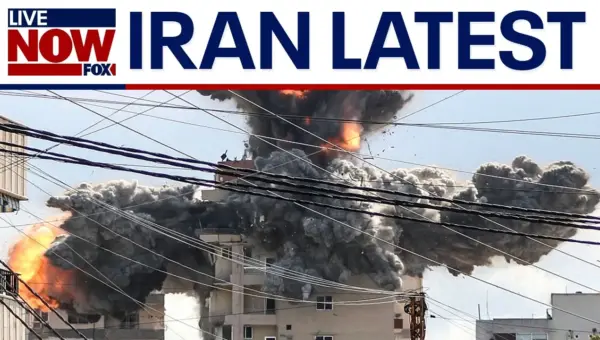
Iran Ceasefire Falters Amid Israel Attacks on Lebanon
A fragile two-week ceasefire between the US and Iran has reportedly collapsed following Israeli airstrikes on Lebanon. Iran views the attacks as a violation, casting doubt on upcoming peace talks in Islamabad, Pakistan. The outcome of these crucial negotiations will determine the region's stability.

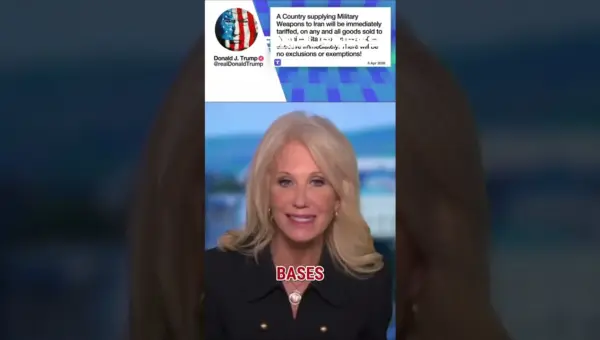
Trump’s ‘Energy Independence’ Claim Sparks Global Debate
President Trump's 'America First' policy highlights U.S. energy independence and allies' reliance on the Strait of Hormuz. This assertion has sparked global discussions on energy security and the need for allies to contribute more. The dynamic impacts global energy markets and investor outlooks.
Fragile Ceasefire: Iran Strikes Spark Global Alarm
A fragile ceasefire between Iran and the U.S. is under threat as Iran continues strikes and disputes erupt over the Strait of Hormuz. Key talks are scheduled in Pakistan this weekend to address major sticking points and prevent further escalation.