Artemis 2 Mission: Billions Fund Moon Journey, Toilet Costs Millions
The Artemis 2 mission has sent four astronauts further from Earth than ever before, with estimated launch costs exceeding $4 billion. This includes a $23 million titanium toilet, which the crew successfully repaired after a minor issue. The program, part of NASA's larger lunar exploration plan started in 2017, has already cost $93 billion.


Artemis 2 Astronauts Reach New Heights, Costs Soar
Four astronauts on the Artemis 2 mission have made history, traveling further from Earth than any humans before them. While NASA has not revealed the exact cost of this groundbreaking mission, estimates place the price of each launch at over $4 billion. This significant investment includes advanced technology, such as a titanium toilet that alone cost about $23 million, making it the second most expensive space toilet ever built.
This advanced toilet was only surpassed by the $30 million waste collection system on the Space Shuttle Endeavor, installed back in 1992. Interestingly, the Artemis toilet experienced a minor malfunction shortly after takeoff. However, the resourceful astronauts on board were able to successfully repair it, ensuring the mission could continue.
International Partners and a Decade-Long Lunar Ambition
The Artemis program involves contributions from international partners like Canada, Japan, and Europe. These nations provide valuable technology and infrastructure, though their financial share is considerably smaller than that of the United States. This mission is just one piece of NASA’s larger lunar exploration plan, which officially began in 2017.
So far, this ambitious program has accumulated an estimated $93 billion and is projected to soon surpass $100 billion. To put this into perspective, this figure is roughly equal to the entire yearly economic output of countries such as Costa Rica or Croatia. It shows the vast resources dedicated to returning humans to the moon.
Comparing Costs: Artemis vs. Apollo and Global Competition
When compared to past lunar missions, the costs of Artemis are substantial. The famous Apollo missions of the 1960s and 1970s cost about $25.8 billion at the time. When adjusted for inflation, that amount would be between $250 to $350 billion today, highlighting the increasing expense of space exploration.
These vast sums are primarily funded by U.S. taxpayers. Support for these expensive missions has varied among U.S. administrations, though President Donald Trump was a strong advocate as part of his “America First” policy. The high costs are largely due to the development of new heavy-lift rockets and the goal of building long-term lunar infrastructure.
Building a Future on the Moon and Global Space Race
NASA’s long-term vision includes laying the groundwork for future lunar landings and establishing a permanent base on the moon. This future base alone is estimated by NASA to cost an additional $20 billion. Such an undertaking requires significant investment in new technologies and sustained commitment.
Another driving factor for the U.S. spending is the growing competition in space exploration. Countries like India and China are increasingly active in their moon exploration efforts.
China, for instance, spends around $12 billion annually on its lunar program. India’s recent moon rover mission in 2023 cost about $74 million, demonstrating that the race to explore the moon is very much alive and competitive.
What’s Next for Lunar Exploration?
With Artemis 2 successfully pushing the boundaries of human spaceflight, attention now turns to future missions. NASA plans further crewed missions and the eventual construction of a lunar base. The ongoing international collaboration and competition will likely shape the pace and direction of these ambitious goals in the coming years.
Source: Billions pave the path to the moon | DW News (YouTube)

Related Articles

NASA Shares Stunning Far Side Moon Photos From Artemis II
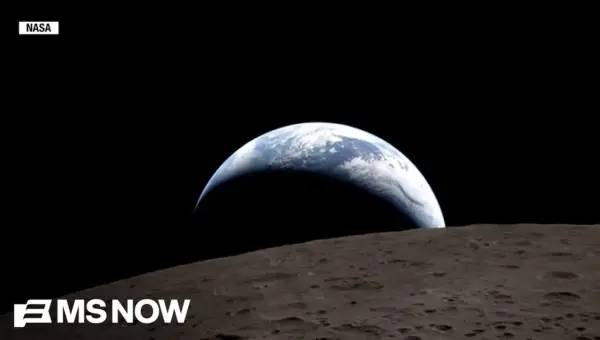
NASA has released stunning new photos of the moon's far side captured by the Artemis II crew. These historic images, taken during the first human flyby of the moon's entire far side, echo the impact of past lunar missions. The mission highlights the value of public investment in scientific discovery and technological advancement.


NASA’s Orion Captures Stunning New Moon Photos
NASA's Orion spacecraft has returned spectacular new photos from its lunar fly-by, revealing never-before-seen details of craters and a distant view of Earth. The crew also witnessed a 53-minute solar eclipse. They are now preparing for a splashdown off the coast of San Diego on Friday.


Artemis 2 Returns: NASA Eyes 2028 Moon Landing
NASA's Artemis 2 mission has returned, completing a historic lunar flyby. The mission's success brings the agency closer to its goal of a crewed moon landing by 2028. Future phases aim to establish a lunar base and eventually support a human journey to Mars.