Senate to Vote on War Powers Resolution Amid Trump Concerns
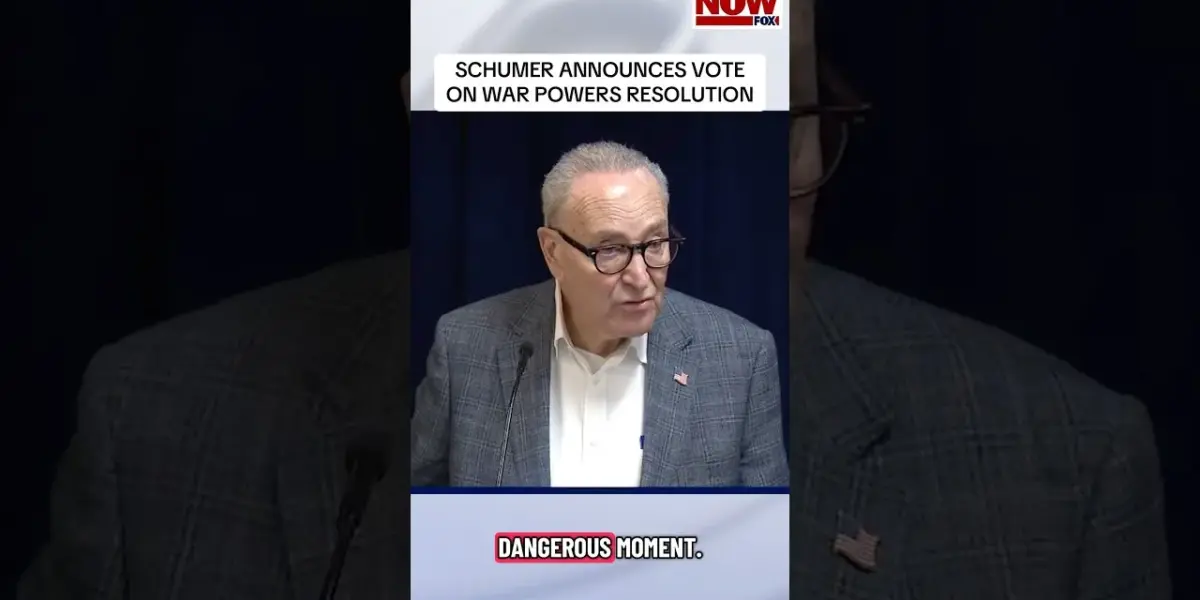
Senate Majority Leader Chuck Schumer announced the Senate will vote next week on a War Powers Resolution. The move aims to reassert Congress's authority over decisions to engage in military conflict, citing concerns about President Trump's handling of foreign policy. Schumer stated that no president should have unchecked power to take the country to war alone.

Senate Plans War Powers Vote Next Week
Senate Majority Leader Chuck Schumer announced that the Senate will hold a vote next week on a War Powers Resolution. This move aims to reassert Congress’s authority over decisions to engage in military conflict. The announcement comes amid concerns about President Donald Trump’s handling of foreign policy and the potential for unchecked presidential power to wage war.
Schumer stated that the resolution is necessary because American soldiers have died and many remain in dangerous situations. He expressed concern that a president acting “unhinged” could unilaterally commit the nation to war without adequate checks and balances. The senator highlighted the escalating rhetoric and global uncertainty as reasons for immediate congressional action.
Concerns Over Presidential War Powers
The core of Schumer’s argument centers on the belief that no single individual, especially a president, should possess unchecked power to initiate military action. He suggested that a leader truly in control would avoid getting into a “colossal mess” in the first place. This implies a critique of recent foreign policy decisions and their outcomes.
The senator’s statement suggests that dangerous escalating rhetoric from the White House can create situations where the entire world watches nervously, uncertain of the next steps. This creates a sense of instability and raises questions about a president’s ability to de-escalate or find peaceful resolutions to international crises.
Reasserting Congressional Authority
Schumer emphasized that Congress must reclaim its constitutional role in matters of war. The War Powers Resolution is a tool designed to ensure that the legislative branch has a say in whether the United States goes to war. It requires the president to notify Congress within 48 hours of deploying armed forces into hostilities.
The resolution typically limits the duration of such deployments unless Congress specifically authorizes further action. Schumer’s call for a vote signals a desire to rein in presidential discretion and prevent future presidents, regardless of party, from unilaterally taking the country into conflict.
Broader Implications for Foreign Policy
This upcoming vote has significant implications for the balance of power between the executive and legislative branches. Historically, presidents have often expanded their authority in foreign policy matters, sometimes bypassing Congress. Schumer’s initiative represents a push to restore a more traditional separation of powers.
The debate over war powers is not new, but it gains particular urgency when tied to specific concerns about a president’s temperament and decision-making process. The resolution, if passed, could set a precedent for future administrations, reinforcing the idea that decisions about war require broader consensus than just the president’s office.
What Happens Next
The Senate is expected to debate and vote on the War Powers Resolution next week. The outcome will depend on the level of bipartisan support the measure can garner. If passed, it would send a strong signal about Congress’s intent to be more involved in foreign policy decisions and the commitment of troops abroad.
This legislative action will be closely watched by foreign policy experts and the public alike. It marks a critical moment in the ongoing discussion about presidential power and Congress’s constitutional duties in matters of national security and war.
Source: Chuck Schumer (D-NY) says the Senate will hold a vote on a war powers resolution next week. (YouTube)

Related Articles
Shapiro Blames Trump for Global Havoc, Higher US Costs
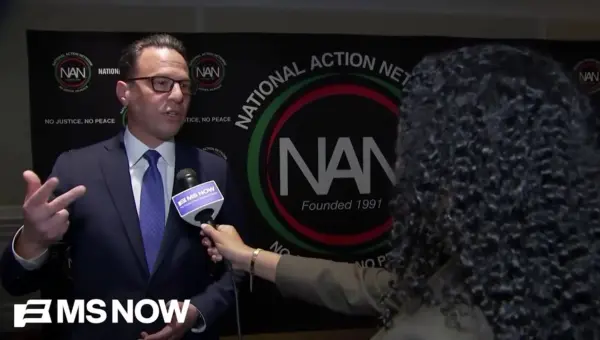
Pennsylvania Governor Josh Shapiro criticized former President Donald Trump's foreign policy regarding Iran, labeling it a "war of choice" that has caused global disruption and increased costs for Americans. Shapiro emphasized his focus on the upcoming midterm elections, strategizing with Democrats to gain control of Congress.
Trump Ramps Up NATO Criticism Amidst Iran Tensions
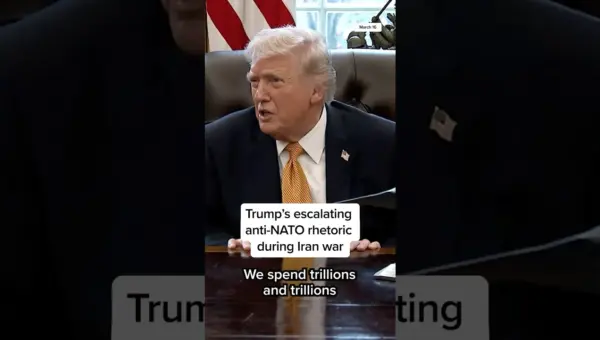
Former President Donald Trump has intensified his criticism of NATO, questioning its financial contributions and effectiveness amid rising global tensions. His rhetoric, particularly in the context of the war with Iran, highlights concerns over burden-sharing within the alliance. The upcoming meeting with NATO Secretary General Mark Rutte is seen as a crucial moment for discussing these issues.
Trump’s Shifting Deadlines Raise Trust Issues in Negotiations
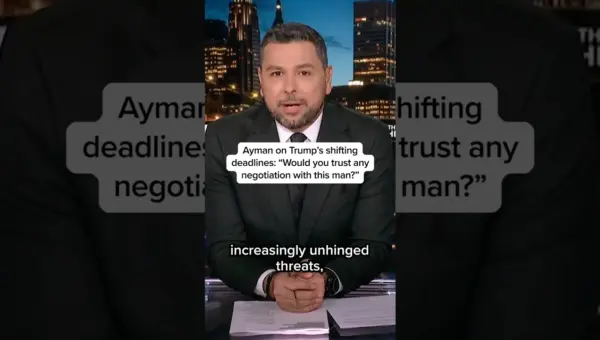
Journalist Ayman Mohyeldin has questioned the trustworthiness of negotiating with Donald Trump due to his repeated habit of altering deadlines. This pattern, particularly concerning Iran, raises concerns about reliability and stability in diplomatic dealings. Observers note that such inconsistency can undermine confidence and complicate future agreements.