A-10 Warthogs Bolster Iran Special Ops Mission
U.S. Special Operations forces in Operation Epic Fury are now backed by A-10 Warthog aircraft. These close-support planes provide vital air cover for elite units operating near Iran. The deployment enhances capabilities for coastal raids and sensitive site exploitation missions.

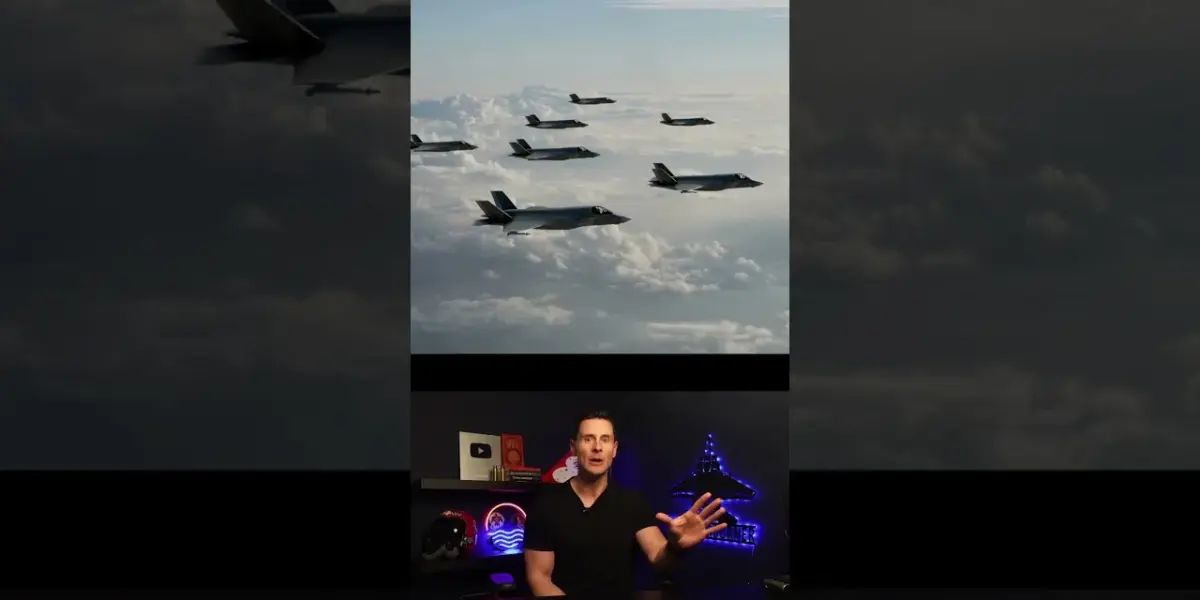
A-10 Warthogs Strengthen Iran Special Ops Mission
On the 33rd day of Operation Epic Fury, the U.S. Air Force has deployed A-10 Thunderbolt II aircraft to support special operations forces operating near Iran. These close-support aircraft are now in the region, ready to provide vital air cover for elite units like Army Rangers, Navy SEALs, and Delta Force. These special operators are believed to already be in the operational area.
The presence of A-10 Warthogs signifies a significant escalation in air support capabilities for potential missions. These missions could include coastal raids or operations on islands such as K Island.
Such actions depend on maintaining air superiority over enemy drones and ballistic missiles. However, the special operators are known for their strategic thinking.
These highly trained units will likely not engage in overt occupation of territory like K Island. Instead, they possess diverse operational options.
They could disrupt Iranian operations from afar or control key areas without direct physical presence. Sensitive site exploitation, potentially targeting nuclear facilities, is also a likely mission objective.
Strategic Implications
The deployment of A-10s provides a powerful close air support capability. The Warthog is designed to fly low and slow, making it ideal for identifying and attacking ground targets in support of troops below.
This is similar to how attack helicopters provide support, but the A-10 offers greater range and payload. Its heavy cannons can destroy tanks and armored vehicles, offering a significant advantage against hardened targets.
The AC-130J Ghostrider gunship is another formidable asset available. This heavily armed aircraft provides direct fire support and can engage targets with its various cannons and missiles.
Its ability to loiter over an area for extended periods allows it to provide continuous support to ground forces. The combination of A-10s and AC-130Js creates a robust air umbrella for special operations teams.
Historically, close air support has been crucial in special operations. During World War II, units like the British Commandos relied on naval gunfire and air support for their raids.
In Vietnam, helicopters and fixed-wing aircraft were essential for inserting and extracting special forces teams and providing fire support. The current deployment echoes these historical needs, adapting them to a modern, high-threat environment.
The A-10’s role is critical for suppressing enemy air defenses and providing a shield for special operators. Its ability to withstand ground fire and deliver precise attacks makes it a preferred choice for dangerous missions. The presence of these aircraft reassures ground units that they have powerful air backing.
The AC-130J offers a different, but equally vital, form of support. It acts as a flying artillery piece, capable of destroying enemy positions with its 105mm howitzer, 40mm cannon, and 30mm Gatling gun. This capability is invaluable for softening defenses before an assault or suppressing enemy fire during an operation.
The broader geopolitical impact involves demonstrating U.S. Resolve and capability in a volatile region. The deployment signals a readiness to project power and protect national interests. It also is a deterrent against potential aggression from Iran or its proxies.
The A-10 Warthog, with its distinctive design and powerful armament, is specifically built for this type of mission. Its twin engines and straight wings allow it to operate from shorter, less-prepared airstrips.
This makes it versatile in forward operating environments. The aircraft’s advanced targeting systems enable pilots to identify and engage targets with high accuracy.
The AC-130J Ghostrider represents the evolution of gunship technology. It combines advanced avionics, electronic warfare capabilities, and a potent weapons suite. This allows it to operate effectively in contested airspace, providing critical support to special operations forces undertaking high-risk missions.
The successful execution of Operation Epic Fury relies heavily on seamless integration between air and ground assets. The A-10 and AC-130J are key components of this integrated approach. Their ability to coordinate with special operators ensures maximum effectiveness and minimizes risk.
The ongoing deployment of these air assets highlights the U.S. Commitment to maintaining regional stability. It highlights the importance of air power in modern warfare. The next phase of Operation Epic Fury will likely see continued reliance on these specialized aircraft.
Source: U.S. Special Ops In Iran Is Worse Than You Think (YouTube)

Related Articles


Trump: Iran Exit Will Trigger Fast Gas Price Drop
Former President Donald Trump believes that withdrawing U.S. involvement from Iran will cause gas prices to fall rapidly. He stated that this action would ease pressure on global energy markets, impacting fuel costs for Americans. The comments come as gas prices have risen above $4 per gallon due to supply disruptions.
US Military Crushes Iran’s Global Power Projection
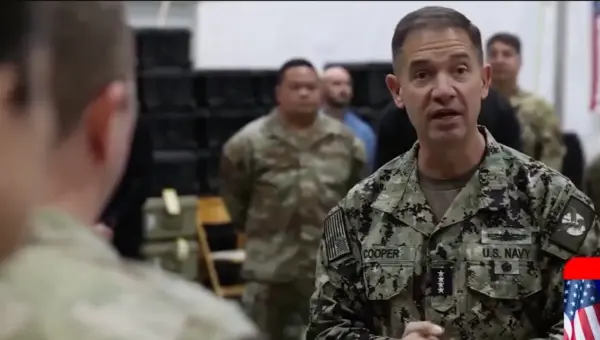
The US military has significantly weakened Iran's global power projection capabilities through Operation Epic Fury. Admiral Brad Cooper reported major successes in dismantling Iran's drone, missile, and naval forces, while maintaining vigilance.


Trump’s Iran Gambit: A Risky Bet for Global Oil Prices
Donald Trump's potential withdrawal from the Iran conflict could destabilize global oil prices. Leaving allies to manage the Strait of Hormuz risks empowering Iran to control energy markets. This move could lead to significant economic pain worldwide.