Gas Prices Skyrocket Amid Iran Conflict, Experts Warn More Pain
Gas prices have surged to their highest point since 2022, with a jump of over a dollar per gallon in the last month alone. Experts warn that the conflict in the Middle East, particularly concerning the Strait of Hormuz, could lead to further price increases. Residents in Florida are already feeling the pinch, with some facing difficult choices between essential needs and transportation costs.

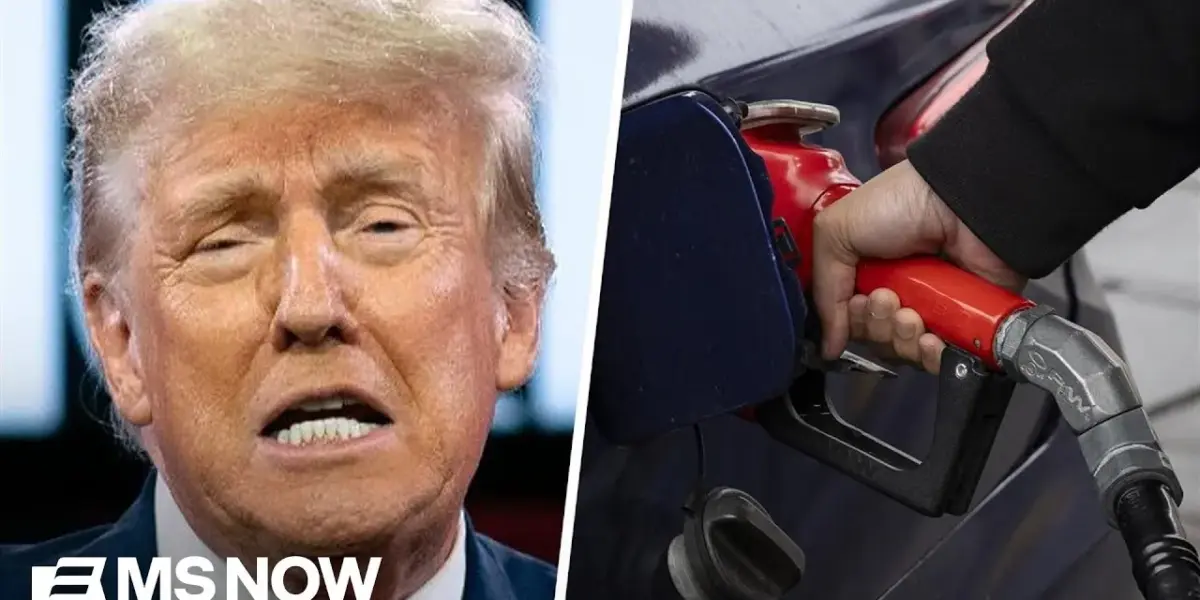
Fuel Prices Surge to New Highs, Hitting Floridians Hardest
Gas prices have surged to their highest point since 2022, with a jump of more than a dollar per gallon in just the last month. This sharp increase is causing widespread frustration and hardship, particularly for residents in Florida, where prices are currently above the national average at about $4.12 per gallon. The current situation is drawing comparisons to the oil price shocks experienced in 2022 following the war in Ukraine.
Voices of Concern from Florida
People across Florida are reacting with dismay to the rising costs at the pump. One local business owner, who runs a company named after former President Trump, expressed hope that the price spikes would be temporary.
However, another resident living below the poverty line shared a more somber reality. This individual explained the daily struggle to afford necessities, stating that the increased cost of gas forces difficult choices, even impacting their ability to buy medication for their mother or afford food for themselves.
“I struggle every day and now I’m taking care of my mom who’s older, being denied simple things like breathing meds so gas, what are you going to do? So I don’t eat this week because I have to take mom to the doctors tomorrow.”
When asked to describe their current economic situation in one word, the response was stark: “desolate.” This sentiment highlights the profound impact of rising prices on vulnerable populations.
Analysts Predict Further Price Increases
Experts are warning that the pain at the pump could worsen significantly. Analysts suggest that current market conditions are not fully reflecting the potential for major disruptions.
The danger in the Strait of Hormuz, a critical waterway for oil transport, is a key concern. While markets are pricing in some risk, they may not be accounting for the full impact of potential blockades or conflicts.
The White House has suggested that the price increases will be short-lived. However, many analysts believe that until the Strait of Hormuz is fully open for unhindered shipping, oil and gas prices will remain volatile. This uncertainty directly impacts consumer spending and overall economic sentiment, pushing many Americans past a psychological threshold of $4 a gallon and leading to pessimism about future economic conditions.
Global Market Dynamics and U.S. Production
Despite the United States being a major oil producer, global events significantly influence domestic prices. The international oil market operates on a global scale, meaning that conflicts and disruptions far from U.S. Shores can have a direct and substantial effect. The ongoing situation in the Middle East, particularly concerning the Strait of Hormuz, introduces a high level of uncertainty about what can be transported and what cannot.
This uncertainty has far-reaching consequences beyond just gasoline. The prices of other crucial fuels like kerosene and diesel are also affected, impacting transportation and supply chains for a wide range of goods. These ripple effects, often referred to as second and third-order effects, extend beyond the immediate cost at the pump to influence the broader economy.
Looking Ahead: Potential for Continued Volatility
The situation remains unresolved, with potential for sustained Iranian control over key shipping routes posing a significant threat to global oil supply. If the Strait of Hormuz remains largely closed or under threat, the resulting uncertainty could lead to major negative price effects moving forward. The coming weeks will be crucial in determining whether diplomatic efforts can ease tensions or if further conflict will drive prices even higher.
Source: Pain at the pump 'could get much worse' as Iran war drives up gas prices: Reporter (YouTube)

Related Articles


Trump: Iran Exit Will Trigger Fast Gas Price Drop
Former President Donald Trump believes that withdrawing U.S. involvement from Iran will cause gas prices to fall rapidly. He stated that this action would ease pressure on global energy markets, impacting fuel costs for Americans. The comments come as gas prices have risen above $4 per gallon due to supply disruptions.


Iran Conflict Fuels Gas Price Hikes Amidst MAGA Division
The U.S. faces rising gas prices and public unease due to the ongoing conflict in Iran. The lack of clear strategy and communication surrounding the military actions has fueled economic concerns and political division. Americans overwhelmingly oppose sending ground troops, while the potential disruption of the Strait of Hormuz looms large.


US Strikes Intensify in Iran: Operation Epic Fury Sees Progress
U.S. Central Command reports significant progress in "Operation Epic Fury" during its fifth week. Admiral Brad Cooper stated that the operation is weakening Iran's ability to project power, with its naval and air defense systems largely destroyed. The campaign showcases the reach and lethality of U.S. forces across all military branches.