US Missiles Shifted From Korea, Aiding China’s Goals
The United States has reportedly moved critical missile defense interceptors from South Korea to the Middle East, weakening Seoul's protection against North Korea. This shift appears to benefit China, which has long opposed the US missile defense presence in the region due to radar surveillance concerns. While South Korean officials express confidence, public surveys indicate growing pessimism about US relations.


US Defense Posture Shifts Amid Middle East Conflict
The United States has reportedly relocated crucial missile defense systems from South Korea to the Middle East. These interceptors were designed to shield South Korea from potential missile attacks by North Korea.
The movement of these advanced air defense batteries, which include launchers, missiles, operating systems, radar, and trained personnel, significantly alters the defense landscape for Seoul. The US began deploying these systems in 2017, signaling a strong commitment to South Korea’s security.
This strategic redeployment comes at a time of heightened regional tensions. The Korean Peninsula has been a flashpoint since the 1950s, with the border between North and South Korea remaining one of the most heavily militarized areas globally.
Recent missile tests by North Korea, some of which landed near South Korean waters, highlight the ongoing threat. The withdrawal of these interceptors raises questions about South Korea’s immediate defensive capabilities against such provocations.
China’s Strategic Advantage and Regional Concerns
China has long opposed the presence of these US missile defense systems on the Korean Peninsula. Beijing argued that their deployment could destabilize the region.
A key concern for China was the advanced radar capabilities of these systems, which they believed could monitor deep into Chinese territory. This opposition previously led to economic pressure from China on South Korea.
The US decision to move these assets away from South Korea appears to align with China’s long-held strategic objectives. By reducing the US military footprint and defensive capabilities in a region bordering China, Beijing may see this as a significant geopolitical win. The prolonged US involvement in conflicts elsewhere, such as the Middle East, diverts resources and attention that could otherwise be focused on East Asian security.
South Korean Perspectives and Future Outlook
South Korean officials have publicly stated that the nation’s defense against North Korea will not be compromised. President Yoon Suk Yeol’s administration maintains confidence in existing defense measures and alliances.
However, public sentiment presents a more complex picture. A survey conducted in 2025 suggested that over half of South Koreans express pessimism regarding the improvement of relations with the United States.
This public sentiment could indicate a growing desire for greater autonomy or a reassessment of the US alliance in light of shifting regional dynamics. As the US focuses its military resources on other global challenges, countries like China may find opportunities to expand their influence. The situation highlights the delicate balance of power in East Asia and the potential consequences of US military commitments elsewhere.
Broader Implications for Regional Security
The redeployment of US interceptor missiles from South Korea is a clear reminder of the interconnectedness of global security. Commitments made in one theater of operations can have ripple effects thousands of miles away. For South Korea, this move may necessitate a re-evaluation of its own defense strategies and its reliance on US security guarantees.
The situation also puts a spotlight on the ongoing strategic competition between the United States and China. As the US navigates multiple global crises, China continues to pursue its long-term strategic goals, including increasing its influence in its immediate neighborhood. The effectiveness of South Korea’s air defense in the absence of these specific US interceptors will be closely watched by regional observers and military analysts.
Source: How the Iran war weakens the US defense umbrella for South Korea | DW News (YouTube)

Related Articles


Iran Shuns China’s Peace Plan, Sparks Global Economic Jitters
Iran has rejected China's offer to mediate the ongoing conflict, a move that appears to be hindering China's global ambitions. The refusal extends to safe passage for Chinese cargo ships through the Strait of Hormuz, impacting China's economy and export sector. This situation also reveals potential disagreements between China and Russia regarding their approach to Iran.
China’s Role in Conflict: Analyst Warns of Escalation
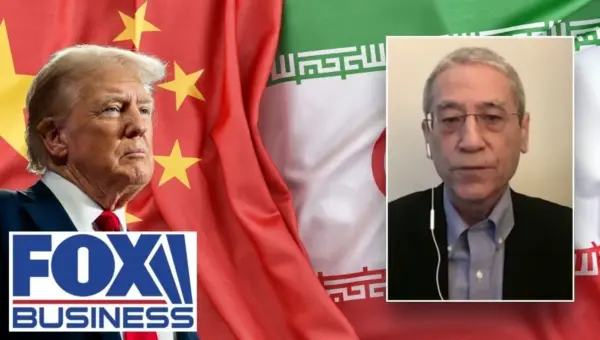
Financial analyst Gordon Chang warns against engaging with China during active conflicts, calling such discussions irresponsible. He highlights China's alleged role in attacks that killed Americans and used advanced weaponry, urging stronger U.S. rhetoric. The analyst also opposes upcoming meetings, fearing they could be exploited by China to shape global opinion.


China Leverages Culture to Boost Global Influence
China is strategically employing 'soft power' by promoting its culture internationally to enhance its global image and influence. This approach, focusing on cultural exports rather than military might, aims to build goodwill and legitimize its actions on the world stage. Nations like Japan and South Korea have previously used similar cultural strategies with significant success.