Iran Shuns China’s Peace Plan, Sparks Global Economic Jitters
Iran has rejected China's offer to mediate the ongoing conflict, a move that appears to be hindering China's global ambitions. The refusal extends to safe passage for Chinese cargo ships through the Strait of Hormuz, impacting China's economy and export sector. This situation also reveals potential disagreements between China and Russia regarding their approach to Iran.

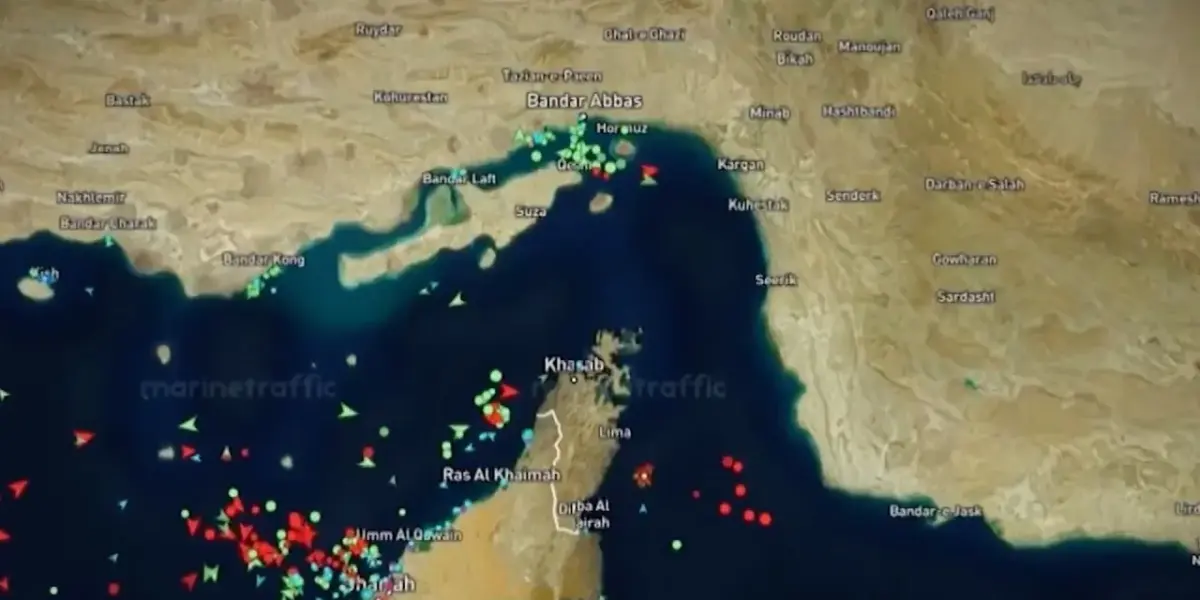
Iran Rejects China’s Mediation Offer, Exposing Global Tensions
Iran has turned down a proposal from China to mediate the ongoing conflict, according to sources close to the situation. This rejection suggests that the war is not only disrupting regional stability but also hindering China’s own global goals. Insiders reveal that China had hoped to use its strong ties with Iran to solidify its influence over developing nations.
The situation grew more complicated when Iran also denied China’s request for safe passage for its cargo ships through the Strait of Hormuz. Iran stated it could only ensure the safety of cargo destined for its own shores. This limited access is already causing shipping delays and driving up prices within China, impacting its crucial export industries.
China’s Economic Woes Worsen Amidst Regional Conflict
The ongoing conflict is taking a significant toll on China’s economy, particularly its export sector. Many shipping containers are reportedly stuck at ports, unable to be sent to their destinations. This blockage is a direct consequence of the security concerns in vital shipping lanes.
The inability to move goods freely through key waterways like the Strait of Hormuz creates a domino effect. It leads to higher costs for businesses and consumers alike, both inside China and in countries that rely on Chinese exports. This economic strain adds another layer of complexity to China’s foreign policy objectives.
Shifting Alliances: Russia and China’s Divergent Interests
Sources also indicate that the apparent unity between China and Russia might be less solid than it appears, especially concerning their approach to Iran. Both nations seem to be using Iran as a pawn in their dealings with the United States, hoping to ease pressure on themselves through negotiations.
This strategic maneuvering highlights a potential divergence in their long-term interests. While both countries may seek to counter American influence, their methods and priorities regarding Iran appear to differ. This makes any coordinated diplomatic effort more challenging to achieve.
Iran’s Clear Demand: Military Aid Over Words
Amidst these complex international dynamics, Iran’s primary objective has become increasingly clear. The nation is seeking tangible military support rather than just diplomatic assurances or verbal backing from its partners.
This demand for concrete assistance underscores Iran’s immediate security concerns and its strategic calculations. It suggests a focus on practical solutions to its challenges, potentially sidelining diplomatic overtures that do not offer direct military benefits.
Why This Matters
Iran’s rejection of China’s mediation and its limited cooperation on shipping routes have significant global economic implications. The disruption in the Strait of Hormuz, a vital chokepoint for global oil and trade, can lead to increased energy prices and supply chain disruptions worldwide. This affects not just China but also countries dependent on international trade.
The situation highlights the complexities of international diplomacy and the challenges of maintaining alliances when national interests diverge. The apparent friction between China and Russia regarding Iran suggests that geopolitical partnerships are often fragile and based on shifting strategic calculations rather than unwavering solidarity.
Historical Context and Future Outlook
The Strait of Hormuz has historically been a critical maritime passage, and its security is paramount for global commerce. For decades, international powers have sought to ensure its stability, given its role in transporting a significant portion of the world’s oil supply. Any threat to its free passage can have immediate and far-reaching economic consequences.
China’s ambition to increase its global influence is well-documented, and its relationship with Iran has been a key element in its strategy. However, the current geopolitical climate, marked by regional conflicts and shifting alliances, presents significant obstacles to these ambitions. The refusal of its mediation offer and the economic fallout from shipping disruptions could force China to re-evaluate its approach.
The future outlook suggests continued volatility in the region. Iran’s demand for military aid and the underlying tensions between major global powers will likely shape diplomatic efforts. The world will be watching to see how these dynamics evolve and what impact they have on global trade and security.
The next major development to monitor will be any official statements from Iran or China regarding the mediation offer and shipping access. These statements could provide further clarity on the evolving geopolitical landscape.
Source: Iran Rejects China's Proposal to Play Mediator: Insider Sources (YouTube)

Related Articles

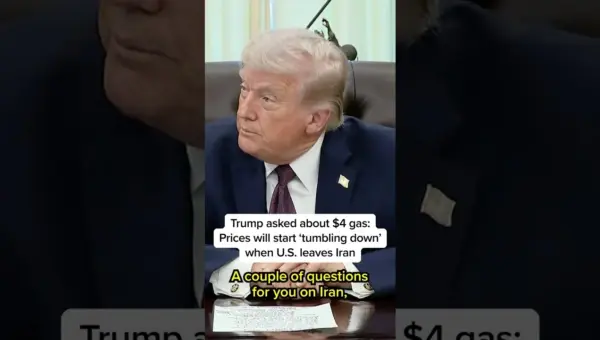
Trump: Iran Exit Will Trigger Fast Gas Price Drop
Former President Donald Trump believes that withdrawing U.S. involvement from Iran will cause gas prices to fall rapidly. He stated that this action would ease pressure on global energy markets, impacting fuel costs for Americans. The comments come as gas prices have risen above $4 per gallon due to supply disruptions.

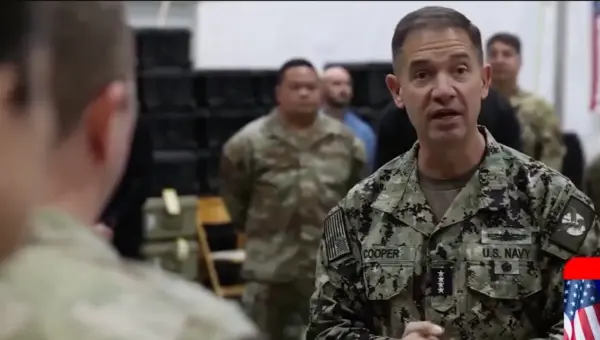
US Military Crushes Iran’s Global Power Projection
The US military has significantly weakened Iran's global power projection capabilities through Operation Epic Fury. Admiral Brad Cooper reported major successes in dismantling Iran's drone, missile, and naval forces, while maintaining vigilance.


Trump’s Iran Gambit: A Risky Bet for Global Oil Prices
Donald Trump's potential withdrawal from the Iran conflict could destabilize global oil prices. Leaving allies to manage the Strait of Hormuz risks empowering Iran to control energy markets. This move could lead to significant economic pain worldwide.