Senate Uncovers “Arctic Frost” Probe’s Vast Reach
A Senate hearing, "Arctic Frost," has drawn comparisons to Watergate, alleging the Biden administration's DOJ and FBI conducted a broad investigation into political opponents. New documents reveal the scale of subpoenas issued and raise questions about authorization and partisan motives.

Senate Hearing Details “Arctic Frost” Investigation, Echoes Watergate Concerns
A recent Senate hearing, dubbed “Arctic Frost,” has brought to light serious allegations regarding a broad investigation by the Biden administration’s Department of Justice (DOJ) and FBI. The proceedings drew parallels to the Watergate scandal, highlighting concerns over the scope and alleged political motivations behind the probe.
“Arctic Frost” vs. Watergate: A Scale Comparison
During the hearing, “Arctic Frost” was repeatedly compared to the Watergate scandal. However, proponents of the investigation argued that “Arctic Frost” was significantly larger in scale.
While Watergate involved a break-in at one office to gather information on political opponents, “Arctic Frost” allegedly involved accessing approximately 100,000 private communications. This included data from over a dozen senators and thousands of other individuals, raising alarms about government overreach.
Investigation’s Origins and Authorization
The investigation, according to testimony, began in early 2022. Senior officials within the Biden DOJ, including Attorney General Merrick Garland, Deputy Attorney General Lisa Monaco, and FBI Director Chris Wray, reportedly approved the opening of a probe targeting President Trump and his campaign.
A confidential memo signed by these leaders on April 4, 2022, was presented as evidence. This formal authorization was contrasted with the clandestine nature of the Watergate operation.
Subpoenas and Data Collection Details
In the fall of 2022, the investigation reportedly issued nearly 200 subpoenas. These targeted hundreds of entities and individuals, with a particular focus on over 400 Republican-aligned groups and individuals.
The data sought included sensitive personal information such as toll records, bank records, donor lists, and law firm records. Specific targets mentioned included Donald Trump’s campaign, the Republican National Committee (RNC), and various conservative organizations.
Impact on Senators and Private Citizens
The scope of the investigation extended to members of the Senate. It was alleged that the FBI sought phone records for nearly 20% of Republican senators, including details about call duration and location.
Such records were described as a “map of your life,” offering insights into personal relationships and movements. The subpoenas were reportedly granted by Judge Boasberg, a Democrat-appointed judge, with claims that the premise for such invasive requests—that senators would destroy evidence or obstruct justice—was unfounded.
Allegations of Partisan Targeting
Critics argued that “Arctic Frost” represented a pattern of Democrats using law enforcement powers for political gain. Past events, such as alleged FBI actions during the 2016 election and the handling of information related to the Hunter Biden laptop, were cited as examples of this alleged pattern. The hearing aimed to uncover and expose what was described as an abuse of public law enforcement powers for political objectives, particularly to elect and re-elect a Democratic president.
Counterarguments and Defense of Investigations
Conversely, some participants defended the investigative actions, framing them as standard procedure. Subpoenas for toll records, for instance, were described as routine in many investigations to establish timelines or understand the scope of potential conspiracies.
It was also argued that the Trump DOJ had previously sought toll records of members of Congress and utilized non-disclosure orders. The actions of Special Counsel Jack Smith were defended as necessary responses to alleged efforts by Trump officials to overturn the 2020 election and mishandle classified documents.
New Documents and Oversight Role
The hearing introduced newly released investigatory documents related to “Arctic Frost.” These documents, dated as early as January 2023, reportedly clarify the decision-making process within the Biden DOJ. They included a list of 14 members of Congress for whom tolling data was sought and internal discussions about the legality and necessity of these requests. These records were presented as evidence of congressional oversight’s role in uncovering how these investigations were conducted.
Focus on Accountability and Rule of Law
The broad theme of the hearing revolved around accountability and the rule of law. Comparisons were drawn to the Watergate era, where Republican senators reportedly stood against the president of their own party to defend legal principles. The proceedings questioned whether a similar standard would be upheld in the current political climate, emphasizing the importance of preventing the DOJ from becoming a tool for partisan political opposition.
Concluding Remarks and Future Actions
The hearing concluded with the introduction of new documents into the public record, intended to provide further insight into the “Arctic Frost” operation. The commitment to ongoing congressional oversight was reiterated, with the goal of making more records public to inform the public about the use of taxpayer dollars and the individuals involved in high-level decision-making processes.
Source: WATCH LIVE: Senate investigates ‘Operation Arctic Frost’ in high-stakes hearing (YouTube)

Related Articles
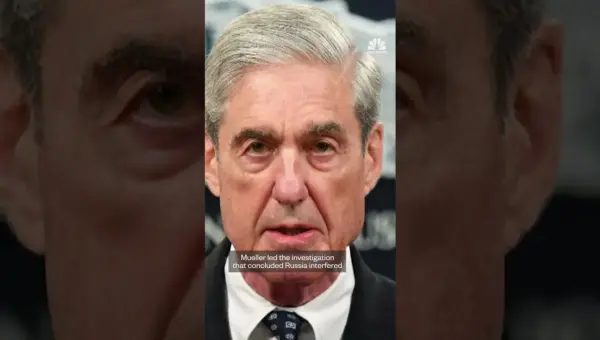
Robert Mueller, Ex-FBI Chief and Special Counsel, Dies at 81
Former FBI Director and Special Counsel Robert Mueller has died at the age of 81. He was best known for leading the investigation into Russian interference in the 2016 U.S. election. Mueller had a long career dedicated to public service and law enforcement.
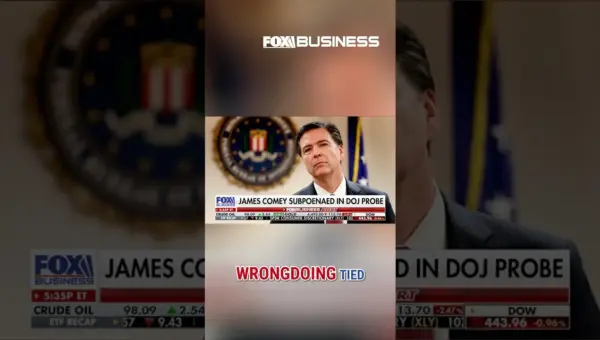
DOJ Subpoenas Ex-FBI Director Comey in New Probe
The Justice Department has subpoenaed former FBI Director James Comey as part of a conspiracy probe into the alleged weaponization of government powers. The investigation links back to a 2017 assessment of Russian election interference, which later reviews found to be flawed. Separate probes are also targeting other former officials, including ex-CIA Director John Brennan.
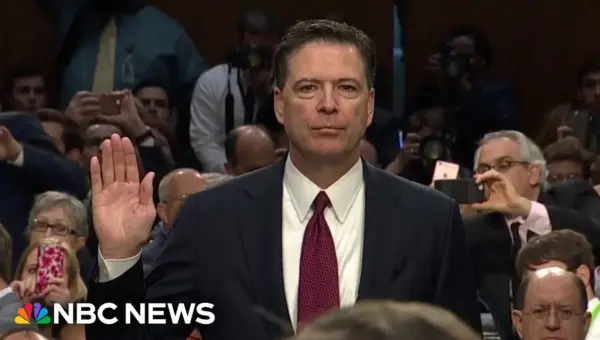
Ex-FBI Chief Comey Subpoenaed in Trump-Era Probe
Former FBI Director James Comey has been subpoenaed in a "grand conspiracy" probe led by a Trump-appointed prosecutor. The investigation reportedly focuses on the 2016 election and uses the same "conspiracy against rights" statute applied in the January 6th cases. Attorneys for Comey and the U.S. Attorney's office have not yet commented.