Ukraine War: Russia Failed Key Goal by April
Defense analysts assert that Russia's core objective of integrating Ukraine into a 'greater Russia' was lost by April 2022. Despite ongoing fighting and occupation of Ukrainian territory, Russia failed to achieve its primary strategic aim. This marks a fundamental defeat for Moscow's war goals from the outset.


Russia’s Initial War Aims Thwarted by Spring
Moscow’s stated objectives for its full-scale invasion of Ukraine were fundamentally undermined by April 2022, effectively marking a strategic defeat for Russia, according to defense analysts. The Kremlin’s initial goal of integrating Ukraine into a ‘greater Russia’ has proven unattainable. Despite ongoing fighting and Russian occupation of significant Ukrainian territory, the war’s ultimate political aim has been lost.
This assessment challenges narratives suggesting Russian progress on the battlefield. While fighting continues in regions like Donetsk, Zaporizhzhia, and Crimea, the broader strategic objective has been missed. Ukraine’s resilience and continued independence represent a significant failure for Russia’s war aims from the outset.
Strategic Goals vs. Battlefield Reality
The critical turning point, analysts argue, occurred within the first two months of the conflict. Russia’s failure to achieve a swift victory and its inability to force Ukraine’s political capitulation meant its core mission was already lost. This suggests that subsequent military actions, including the occupation of roughly 20% of Ukraine’s territory, are now attempts to salvage gains rather than achieve the original strategic objective.
The ongoing conflict highlights a divergence between Russia’s initial ambitions and the current military and political reality. Holding occupied territories, while a significant military effort, does not equate to achieving the war’s primary political goal. This situation forces a reassessment of Russia’s overall success in the war.
Ukraine’s Enduring Sovereignty
The continued existence of an independent Ukraine, free from Russian political control, represents the ultimate failure of Moscow’s war aims. This outcome was seemingly cemented by April 2022, regardless of subsequent territorial gains or losses. The Kremlin’s efforts to absorb Ukraine into its sphere of influence have been unsuccessful.
Even if Russia maintains control over occupied regions for an extended period, including Crimea, it has not achieved its fundamental objective. This distinction is crucial for understanding the war’s strategic trajectory and Russia’s ultimate failure to achieve its initial, expansive goals.
What This Means on the Ground
For Russian leadership, the current situation suggests a need to reassess the conflict’s viability and consider minimizing further losses. The initial plan has failed, and the path forward appears to be one of managing existing occupied territories rather than achieving a decisive political victory. This strategic stalemate impacts troop morale and resource allocation.
For Ukraine, this assessment highlights the importance of continued resistance and international support. The nation has successfully defended its sovereignty against a larger neighbor’s attempt at absorption. The fight now focuses on reclaiming occupied territories and ensuring long-term security and independence.
Historical Parallels
Russia’s situation echoes historical instances where initial overconfidence and flawed strategic planning led to prolonged and ultimately unsuccessful conflicts. The Soviet Union’s experience in Afghanistan, for example, demonstrated how a determined insurgency and a failure to achieve political objectives could turn a military intervention into a protracted quagmire.
Similarly, the French experience in Algeria during the mid-20th century illustrates the difficulty of imposing political will through military force when facing a resilient nationalistic movement. In both cases, despite initial military capabilities, the lack of a viable political endgame led to strategic failure.
Geopolitical Impact
The failure of Russia’s initial war aims has had significant geopolitical consequences. It has strengthened NATO’s resolve, led to increased defense spending among European nations, and prompted Finland and Sweden to join the alliance. Ukraine’s resistance has also galvanized international support and highlighted the global commitment to upholding international law and national sovereignty.
The ongoing conflict continues to reshape global energy markets and food security, demonstrating the far-reaching impact of Russia’s military actions. The international order established after World War II is being tested, with lasting implications for global stability and alliances.
Conclusion
By April 2022, Russia had lost the war in the sense that its primary objective of making Ukraine part of a ‘greater Russia’ was no longer achievable. While the conflict continues and Russia occupies territory, the strategic goal has been irretrievably lost. This outcome suggests that Russia’s best option is to cut its losses and manage the consequences of its failed invasion.
The ongoing fighting is now a battle for territory and influence, not for the existential political integration that Moscow initially sought. The future of the occupied regions remains uncertain, but Ukraine’s independent status is now a fixed point.
Source: 💥Why Russia Already Lost the War in Ukraine? (YouTube)

Related Articles

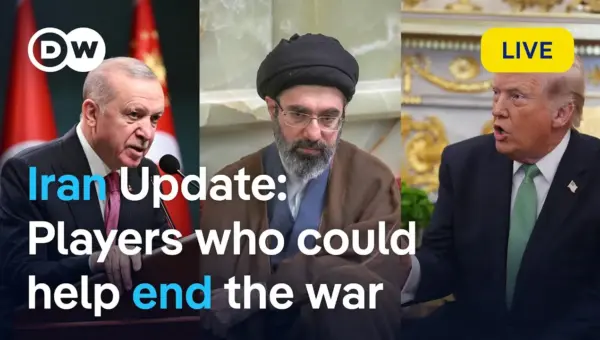
US-Iran War: Secret Talks, Shifting Alliances Emerge
Conflicting reports emerge regarding U.S.-Iran negotiations, with President Trump claiming productive talks while Iran denies any occurred. Regional powers like Pakistan and Turkey are attempting mediation amid escalating tensions and economic fallout. The war's outcome hinges on finding a diplomatic "off-ramp" that addresses security concerns and regional stability.


China Leverages Culture to Boost Global Influence
China is strategically employing 'soft power' by promoting its culture internationally to enhance its global image and influence. This approach, focusing on cultural exports rather than military might, aims to build goodwill and legitimize its actions on the world stage. Nations like Japan and South Korea have previously used similar cultural strategies with significant success.

Iran Signals Talks Amid Regime Survival Fears
Iran appears to be signaling a willingness to engage in discussions, driven by internal pressures and the need to ensure regime survival. The government may be prepared to make concessions to maintain power amidst perceived threats to its authority. Investors should monitor these developments closely for potential market impacts.