US-Iran War: Secret Talks, Shifting Alliances Emerge
Conflicting reports emerge regarding U.S.-Iran negotiations, with President Trump claiming productive talks while Iran denies any occurred. Regional powers like Pakistan and Turkey are attempting mediation amid escalating tensions and economic fallout. The war's outcome hinges on finding a diplomatic "off-ramp" that addresses security concerns and regional stability.

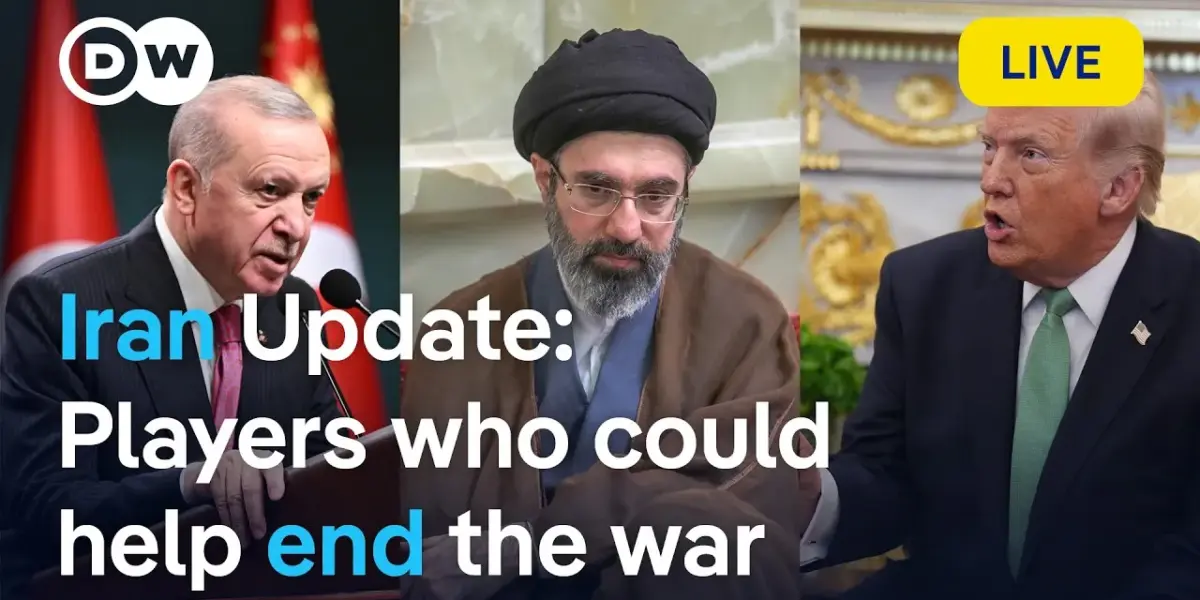
US-Iran War: Secret Talks, Shifting Alliances Emerge
Amidst escalating tensions, claims of productive talks between the United States and Iran have surfaced, only to be met with swift denials from Tehran. President Donald Trump announced a delay in strikes on Iran’s energy infrastructure, citing “very, very strong talks” with “major points of agreement.” However, Iran’s parliament speaker countered that no negotiations had occurred, calling the reports “fake news” designed to manipulate markets. This conflicting information highlights the deep fog of war surrounding the conflict.
Key Players in Delicate Diplomacy
The situation is complex, with several regional powers acting as intermediaries. Pakistan, Oman, Qatar, and Egypt have been passing messages between the American and Iranian sides.
Pakistan’s top general, Asim Munir, held an extended conversation with President Trump, and Prime Minister Muhammad Sharif spoke with his Iranian counterpart. Evidence suggests Pakistan could become a venue for future discussions, potentially involving U.S. Vice President JD Vance, who is reportedly skeptical of prolonged conflict.
“The fog of war right? They have to be careful.
There’s a great deal of dust. And we are all blinded by the dust.”
Fawaz Gerges, Professor of Middle Eastern Politics, London School of Economics
Trump’s Miscalculation and Search for an “Off-Ramp”
Expert analysis suggests President Trump may have miscalculated the potential for a swift victory against Iran, influenced by assurances from Israeli Prime Minister Benjamin Netanyahu. The war has proven longer and more costly than anticipated, with significant economic impacts, including oil prices jumping by 50%. This economic pain has pushed Trump to seek an “off-ramp” to lower energy prices and avoid the perception of a “forever war,” a stance he long criticized.
The focus of negotiations appears to have shifted from regime change to practical concerns like the opening of the Strait of Hormuz. Despite Iran possessing significant amounts of enriched uranium, the desire for a lasting peace and guarantees against future attacks remains paramount. However, the capacity of intermediaries like Pakistan to provide such guarantees is questioned, while European, Chinese, and Russian involvement remains minimal.
Iran’s Stance and Regional Concerns
Iran insists on a lasting peace, not a temporary ceasefire, due to past negative experiences. They seek assurances that the U.S. And Israel will not attack again.
The conflict’s resolution is intrinsically linked to broader regional issues, including the situations in Lebanon and Gaza. Iran’s Revolutionary Guard Corps has warned of missile and drone attacks on Israeli forces if crimes against civilians continue, indicating that any settlement must address these fronts.
The plight of Gaza is described as catastrophic, with limited humanitarian aid reaching the area. The ongoing war in Lebanon further complicates the regional security picture. Iran’s statements suggest solidarity with the Lebanese and Palestinians, asserting they will not be abandoned in any U.S. Settlement.
Turkey’s Diplomatic Role
Turkey, a NATO member with significant ties to both the U.S. And Iran, is playing a key role in mediation efforts. Its geographic proximity and security concerns, including potential refugee influx and energy disruptions, motivate its involvement.
Turkish Foreign Minister Hakan Fidan has been actively engaged in diplomatic outreach. Despite being regional rivals, Turkey’s ability to communicate with both Washington and Tehran positions it uniquely to offer a face-saving exit for both sides.
From the Turkish-Iranian border, reports indicate a steady, though not overwhelming, flow of people leaving Iran. Many are seeking short breaks, while others are fleeing the escalating conflict.
However, a significant number are also returning to Iran, driven by family and a desire to stay with loved ones during the crisis. This human drama highlights the real-world impact of the war on civilian populations.
Public Sentiment and Economic Fallout
Public reaction in Turkey largely blames the U.S. And Israel for initiating the conflict, with anti-Western and anti-American sentiment increasing. The economic consequences are keenly felt, with rising energy prices exacerbating Turkey’s existing inflation problems. The fear is that a prolonged war will lead to further price hikes, impacting ordinary Turkish citizens.
Uncertain Path Forward
The path to a diplomatic breakthrough remains highly uncertain, with significant differences between the negotiating parties. A potential lasting settlement could see the opening of the Strait of Hormuz, the lifting of sanctions on Iran, and guarantees against future attacks.
This would likely involve a broader security architecture for the Gulf region, considering the national interests of all states involved. However, achieving this requires President Trump to assert control over U.S. Policy, potentially overriding the influence of allies like Israel.
As the situation remains fluid, ongoing monitoring of developments is crucial. The human cost, economic repercussions, and the complex web of international diplomacy will continue to shape the outcome of this critical conflict.
Source: How are negotiations to end the war against Iran really going and who’s involved? | DW News (YouTube)

Related Articles

Trump Pauses Iran Strikes Amid Surprise Talks, Hopes for Deal
President Trump has paused planned strikes against Iran, announcing surprise negotiations and "major points of agreement." While Iran disputes direct talks, financial markets reacted positively, with the Dow surging and oil prices falling. Trump suggested a potential deal could involve joint control of the Strait of Hormuz.


China Leverages Culture to Boost Global Influence
China is strategically employing 'soft power' by promoting its culture internationally to enhance its global image and influence. This approach, focusing on cultural exports rather than military might, aims to build goodwill and legitimize its actions on the world stage. Nations like Japan and South Korea have previously used similar cultural strategies with significant success.
Iran Signals Talks Amid Regime Survival Fears
Iran appears to be signaling a willingness to engage in discussions, driven by internal pressures and the need to ensure regime survival. The government may be prepared to make concessions to maintain power amidst perceived threats to its authority. Investors should monitor these developments closely for potential market impacts.