Trump Declares Victory Over Iran, Links Border Security to Voting Rights
Donald Trump claimed victory over Iran and linked Homeland Security funding to voter ID laws during a speech in Memphis. He asserted his administration dismantled Iran's military, leading to negotiations and preventing nuclear weapon development. Trump also highlighted crime reduction in Memphis as a success, while demanding strict voter identification and proof of citizenship for elections.

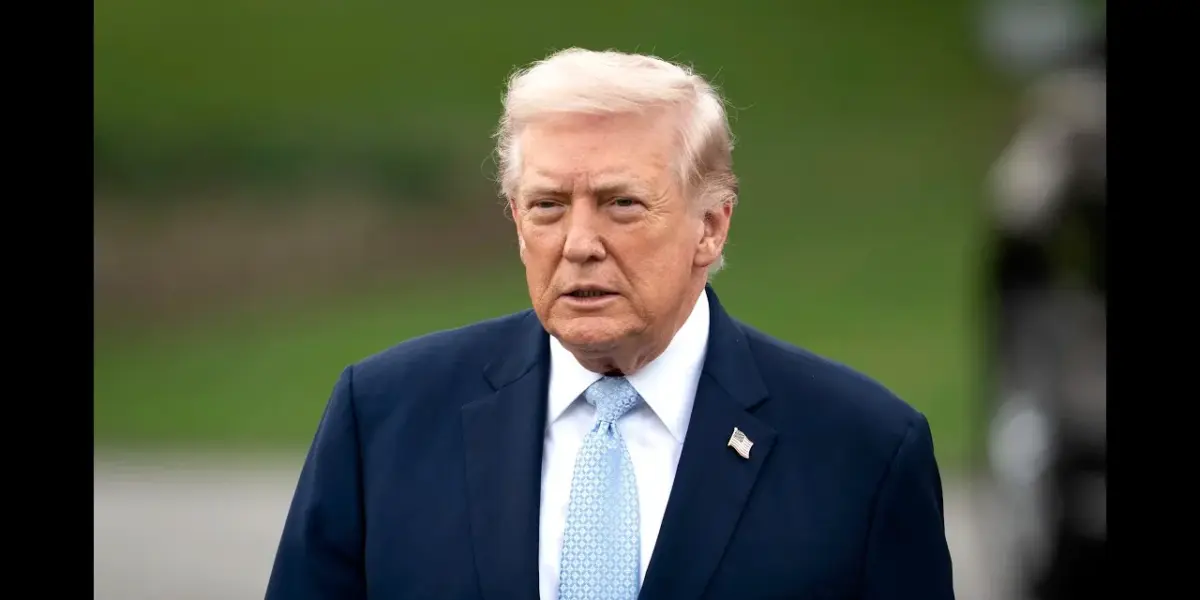
Trump Links Iran Deal to Border Security in Memphis Speech
Former President Donald Trump recently addressed a roundtable in Memphis, Tennessee, focusing on crime reduction and foreign policy. He claimed significant success in dismantling Iran’s military capabilities, stating that the U.S. Had “knocked out their navy. We knocked out their air force.
We knocked out their anti-aircraft. We knocked out everything.” Trump asserted that these actions led Iran to the negotiating table, resulting in postponed strikes against energy targets.
He also stated that Iran had agreed not to pursue nuclear weapons. The former president presented this as a major foreign policy win, suggesting it was achieved through decisive military action and strong negotiation.
During his speech, Trump also criticized current U.S. Immigration policies, blaming Democrats for what he called a “disgraceful shutdown” of the Department of Homeland Security. He argued that funding for airport security and the TSA was being held up to prioritize the needs of undocumented immigrants and sanctuary cities. Trump linked these issues to broader concerns about election integrity, demanding that any deal on Homeland Security funding must include voter identification requirements and proof of citizenship to vote.
Memphis Crime Declines Touted as Model
A significant portion of Trump’s address highlighted the perceived success of his administration’s approach to crime reduction in Memphis. He contrasted the current situation with a past where Memphis was described as the “murder capital of the USA,” citing high rates of violent assaults, rapes, and robberies.
Trump credited the “Memphis Safe Task Force,” modeled after a similar initiative in Washington D.C., for a dramatic decrease in crime. He claimed a 76% reduction in murders from the peak, along with substantial drops in robberies and carjackings.
Trump presented the Memphis initiative as proof that his policies work, suggesting that other cities, like Chicago, could be similarly improved if his administration were involved. He praised the local law enforcement and National Guard for their efforts.
The former president also drew a parallel to Washington D.C., stating that the city was once one of the most dangerous places but has since seen a significant improvement in safety under his administration’s approach. He attributed the success to removing “career criminals,” many of whom he claimed entered the country through “the Biden open border disaster.”
Operation Epic Fury and Iran Negotiations
Trump detailed his involvement in what he termed “Operation Epic Fury,” describing a series of military actions against Iran. He stated that these actions were so effective that Iran was compelled to negotiate. The president mentioned postponing planned strikes against Iranian energy and electricity targets after “very good discussions.” He conveyed a sense of urgency regarding Iran’s nuclear ambitions, stating, “we’ll ensure that Iran never obtains a nuclear weapon.” He contrasted this with the previous administration’s Iran nuclear deal, which he claimed would have allowed Iran to develop weapons.
The former president’s narrative emphasized a swift and decisive military campaign that crippled Iran’s capabilities. He claimed that Iran’s missile and drone programs were hit with launches down by over 90%, and their defense industrial base and navy were annihilated.
Trump also mentioned the elimination of Iranian leaders, suggesting a systematic dismantling of the regime’s ability to threaten the U.S. And its allies. He presented this aggressive stance as the reason Iran was now willing to negotiate and potentially reach a favorable agreement.
Call for Voter ID and Citizenship Requirements
Trump explicitly linked national security concerns with election integrity. He argued that “voter ID is part of Homeland Security” and that proof of citizenship should be mandatory for voting.
He criticized mail-in voting, calling it “mail-in cheating,” and asserted that the U.S. Is unique among nations for not having strict voter identification laws. Trump urged Republican senators not to agree to any deals unless they included these measures, framing them as essential for the country’s security and the “Save America Act.”
He also touched upon social issues, criticizing what he called the “transgender mutilation of our children” and men participating in women’s sports, suggesting these were widely unpopular positions held by Democrats. Trump implied that these issues, along with border security and immigration, were being used by Democrats as political leverage. He called for Republicans to stand firm and not compromise on these points, believing that the public sentiment was on their side.
Why This Matters
This speech offers insight into Donald Trump’s continuing political strategy, blending foreign policy assertions with domestic political demands. His claims about Iran suggest a belief that aggressive military action and strong negotiation can yield significant diplomatic results.
The focus on Memphis highlights a strategy of showcasing localized successes as models for national policy, particularly concerning crime. By tying Homeland Security funding to voter ID requirements, Trump is attempting to elevate election integrity as a central tenet of his platform and a key bargaining chip in legislative battles.
The speech underscores a persistent theme in Trump’s rhetoric: the framing of current events through a lens of perceived failure by the Biden administration and a return to strength and order under his potential leadership. His emphasis on border security and election integrity reflects ongoing debates within the Republican party and his desire to mobilize his base around these issues. The combination of international assertiveness and domestic policy demands, presented in a direct and often confrontational style, remains a defining characteristic of his political messaging.
Implications and Future Outlook
Trump’s assertive stance on Iran, if it leads to a lasting de-escalation or a verifiable agreement, could be seen as a significant foreign policy achievement. However, the claims of “annihilating” Iran’s military capabilities and the aggressive tone may also escalate regional tensions. The success of the Memphis crime reduction model, if replicable, could offer a blueprint for other cities, but the extent to which it is attributable to specific federal interventions versus local efforts remains a subject of debate.
The linkage of Homeland Security funding to voter ID laws is likely to be a major point of contention in future political negotiations. It signals a strategy to force Democrats to confront these demands, potentially leading to further government shutdowns or legislative stalemates.
Trump’s continued focus on election integrity suggests this will remain a core issue for his supporters and a significant factor in upcoming election cycles. The effectiveness of this strategy will depend on Republican unity and the public’s reception to these intertwined demands.
Historical Context
The speech echoes themes from Trump’s previous presidency, including a focus on “America First” foreign policy, a tough stance on immigration, and a skepticism towards international agreements like the Iran nuclear deal. His administration withdrew the U.S. From the Joint Comprehensive Plan of Action (JCPOA) in 2018, reimposing sanctions on Iran. This speech suggests a continuation of that policy, emphasizing military deterrence and direct negotiation over multilateral diplomacy.
The debate over voter ID laws is not new in American politics. Many states have implemented such laws, while opponents argue they disproportionately disenfranchise certain groups of voters.
Trump’s framing of these laws as essential for Homeland Security and his characterization of mail-in voting as “cheating” represent a significant escalation of this long-standing political battle. The reference to the “Save America Act” also aligns with his efforts to brand legislative initiatives with his personal political slogan.
Source: LIVE: Trump Participates in Memphis Safe Task Force Roundtable (YouTube)

Related Articles
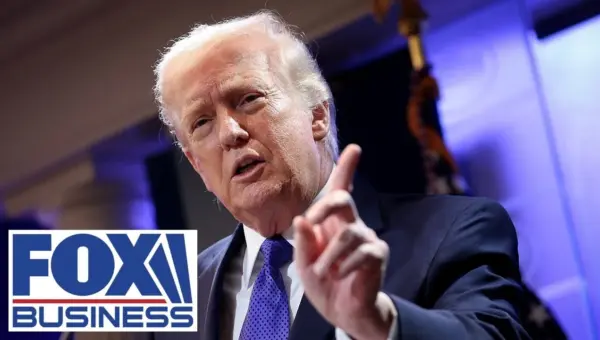
Trump Declares Iran Nuclear Threat Eliminated, Cites 90% Missile Loss
President Trump announced significant military successes against Iran, claiming a 90% reduction in their missile capabilities and halting their nuclear ambitions. He also highlighted a dramatic decrease in crime in Memphis following the implementation of a new task force. Discussions are ongoing regarding homeland security funding and voter identification requirements.

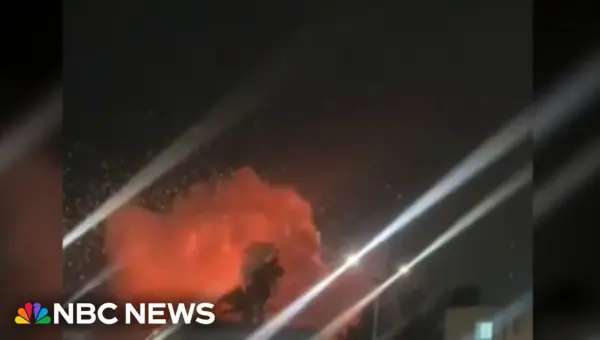
Iran Ignores Trump’s Threats, Keeps Strait of Hormuz Blocked
Iran has defied President Trump's threats to "obliterate" its energy infrastructure, stating that US energy assets would be targets if the Strait of Hormuz remains blocked. This comes after weekend missile attacks on Israel, which Iran claims were retaliation for strikes on its nuclear facilities. The escalating tensions center on the critical Strait of Hormuz, a vital global oil chokepoint.

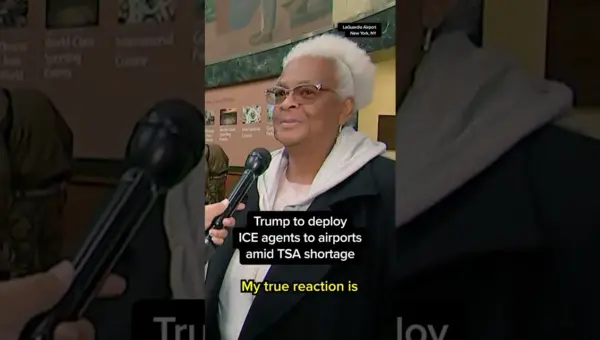
Trump Plans ICE Deployment to Airports Amid TSA Woes
Former President Donald Trump has proposed deploying ICE agents to airports to help alleviate perceived chaos and shortages within TSA screening lines. Travelers at LaGuardia Airport shared mixed reactions to the idea, with some welcoming any measure to speed up security and others questioning the suitability of ICE agents for the role. The suggestion highlights ongoing debates about national security, immigration policy, and the most effective ways to manage airport operations.