Iran Ignores Trump’s Threats, Keeps Strait of Hormuz Blocked
Iran has defied President Trump's threats to "obliterate" its energy infrastructure, stating that US energy assets would be targets if the Strait of Hormuz remains blocked. This comes after weekend missile attacks on Israel, which Iran claims were retaliation for strikes on its nuclear facilities. The escalating tensions center on the critical Strait of Hormuz, a vital global oil chokepoint.

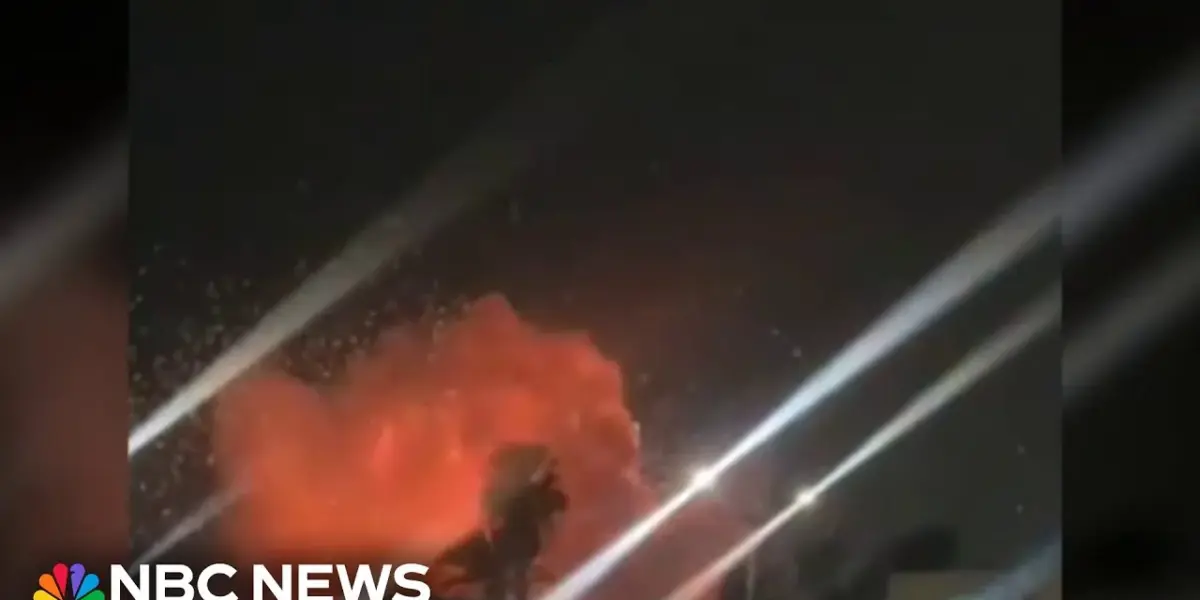
Iran Defies Trump, Threatens US Energy Targets
Iran has signaled it will not back down from President Trump’s threats to “obliterate” its energy infrastructure. The nation stated that all United States energy assets would become targets if the Strait of Hormuz remains blocked. This defiance comes after a weekend of escalating tensions, including Iranian missile attacks near Israel’s main nuclear reactor.
These actions highlight a dangerous standoff. President Trump had issued a 48-hour ultimatum to Iran.
The demand was to reopen the vital Strait of Hormuz or face severe retaliation. Iran’s response directly challenges this deadline, indicating a willingness to escalate the conflict.
Missile Attacks Rock Israel, Civilian Impact
Iranian missiles struck southern Israel over the weekend, causing significant damage and injuries. While no deaths were reported from the direct missile impacts, an apartment complex was severely damaged by an Iranian ballistic missile. This incident underscores Iran’s capability to strike deep into Israeli territory.
Opposition leaders in Israel have condemned the attacks. They argue that Iran deliberately targets civilian areas, aiming to inflict maximum casualties.
The Iranian military, however, claimed its strikes were aimed at Israel’s nearby nuclear facility and reactor. They stated this was retaliation for Israeli attacks on their own nuclear facilities.
Israel Faces Escalating Regional Tensions
The missile debris from intercepted Iranian projectiles injured at least 15 people in Tel Aviv. In southern Lebanon, Israel responded by destroying a bridge.
This action was intended to prevent Iranian-backed operatives from moving south. These retaliatory actions demonstrate a widening conflict zone.
Despite the attacks, Israel’s defense systems showed a high interception rate. “We have a 92% interception rate,” a reporter noted.
However, the focus is shifting towards preventing future missile launches. “The best defense is making sure they can’t fire the missiles anymore,” the reporter added.
Strait of Hormuz: A Critical Global Chokepoint
The Strait of Hormuz is a narrow waterway connecting the Persian Gulf to the open ocean. Approximately 30% of the world’s oil traded by sea passes through this critical chokepoint daily. Any disruption here has immediate and significant global economic consequences.
Iran has previously used its control over the Strait as leverage in international disputes. Its threat to keep the strait closed signals a serious escalation.
This could lead to global energy shortages and price spikes. The international community is closely watching how this situation unfolds.
US Policy: Escalation to De-escalate?
The situation presents a complex foreign policy challenge for the United States. Some within the administration, including President Trump, have suggested a strategy of escalating pressure to achieve de-escalation. “Sometimes you have to escalate to de-escalate,” one official stated in an interview.
This approach suggests that increased military and economic pressure might force Iran to change its behavior. However, critics warn that such tactics could lead to a wider regional war. The effectiveness and risks of this strategy remain a subject of intense debate among policymakers and international observers.
What Happens Next?
Iran’s continued defiance and its readiness to keep the Strait of Hormuz closed set the stage for further confrontation. The coming days will be critical in determining whether diplomatic channels can be found or if military actions will escalate. The global economy’s reliance on the Strait means any further disruption will have far-reaching effects.
All eyes are now on President Trump’s next move and Iran’s continued response. The potential for miscalculation remains high in this volatile geopolitical environment. The world waits to see how this dangerous standoff will be resolved.
Source: Iran unswayed by Trump's 48-hour deadline and threats to 'obliterate' energy infrastructure (YouTube)

Related Articles

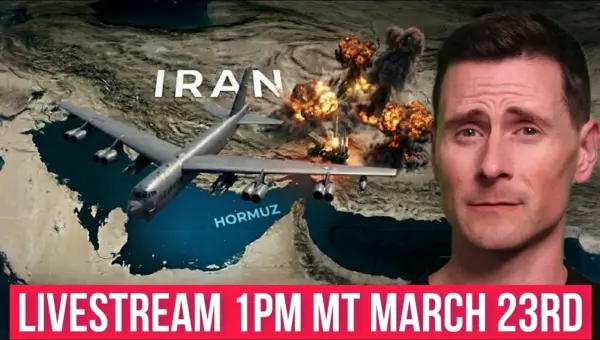
US Air Force Bombers Flex Muscle in Strait of Hormuz
The U.S. Air Force has deployed B-52 bombers near the Strait of Hormuz, signaling a strong military posture. This move is complemented by the arrival of U.S. Navy amphibious assault ships carrying thousands of Marines. These actions aim to ensure freedom of navigation and deter regional aggression.

White House Uses Memes to Sell War to Gen Z
The White House is using memes and viral video styles to communicate about military actions with Iran, particularly targeting Gen Z. This approach, mixing real footage with pop culture, marks a significant shift from traditional wartime messaging, drawing both praise for engagement and criticism for potential trivialization.


Middle East Nuclear Sites Hit Amid Iran Conflict
Nuclear sites in the Middle East have become targets amid escalating conflict between Iran and Israel. Iran struck an Israeli nuclear facility in retaliation for an earlier air strike, prompting UN calls for restraint due to accident risks. The conflict also impacts US forces and has displaced over a million people in Lebanon.