Judge Halts RFK Jr.’s Vaccine Policy Overhaul
A federal judge has temporarily blocked changes to the childhood vaccine schedule proposed by HHS Secretary Robert F. Kennedy Jr. The decision came after a lawsuit from doctors and parents argued the changes lacked proper scientific review. Dr. Vin Gupta expressed concern over the ruling's implications for public health policy.

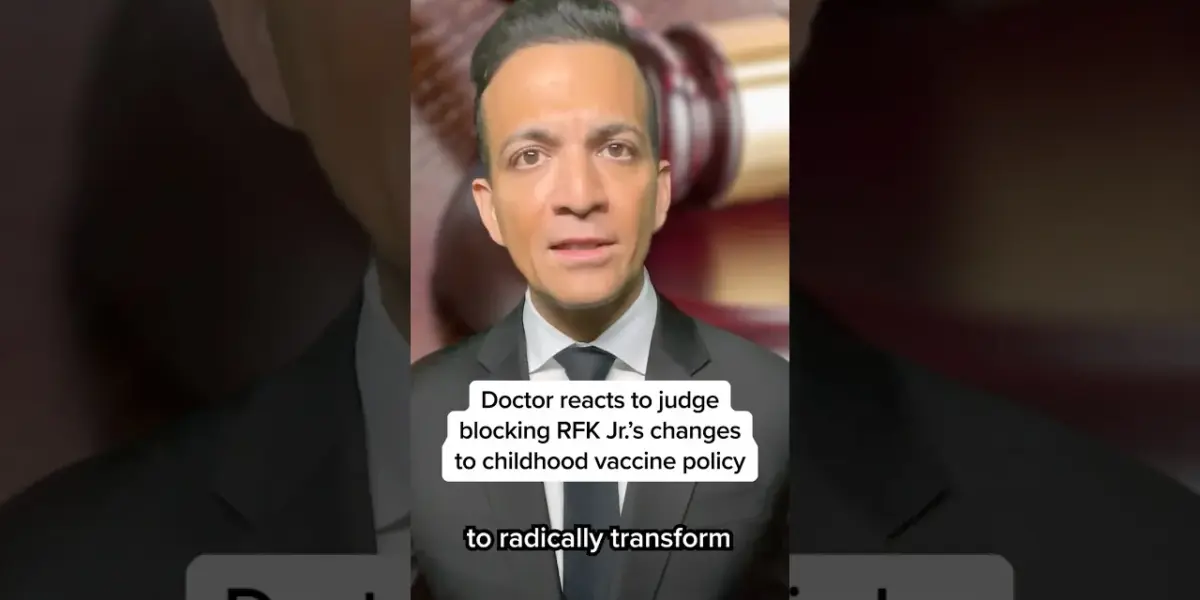
Judge Blocks Changes to Childhood Vaccine Schedule
A federal judge has temporarily stopped Health and Human Services (HHS) Secretary Robert F. Kennedy Jr.’s recent changes to the childhood vaccine schedule. The decision came after a group of doctors and parents filed a lawsuit challenging the new policy.
They argued that the changes were made without proper scientific review. Dr. Vin Gupta, a senior medical contributor for MS NOW, shared his reaction to the ruling.
He expressed concern over the potential impact of blocking the policy. The judge’s order means the vaccine schedule will remain as it was before the changes were announced.
Concerns Over Scientific Basis
The lawsuit argued that the HHS, under Kennedy Jr.’s leadership, did not follow standard procedures for updating the vaccine schedule. Lawyers for the plaintiffs stated that the changes were rushed and lacked sufficient evidence to support them. They claimed that the new schedule could put children at risk by altering established, effective immunization protocols.
Dr. Gupta acknowledged that the scientific process behind vaccine recommendations is complex. He stressed the importance of using the best available data to protect public health.
Dr. Gupta’s Perspective
Dr. Vin Gupta commented on the situation, emphasizing the rigorous process that typically goes into vaccine policy decisions. He explained that these schedules are developed based on extensive research and recommendations from expert committees. These committees review data on disease outbreaks, vaccine effectiveness, and safety profiles.
Dr. Gupta suggested that any changes to such a critical public health measure should be backed by strong scientific consensus. He indicated that blocking the changes, while perhaps necessary pending review, raises questions about the process followed.
What the Overhaul Entailed
While the transcript does not detail the specific changes Robert F. Kennedy Jr. Proposed, it implies a significant revision to the existing childhood vaccine schedule. Such schedules are carefully constructed guidelines that recommend specific vaccines for children at certain ages.
They aim to protect them from a range of serious infectious diseases. These schedules are updated periodically as new vaccines become available or as scientific understanding evolves. The intention is always to provide the best possible protection for children.
The Role of Expert Committees
Typically, decisions about vaccine schedules are guided by committees like the Advisory Committee on Immunization Practices (ACIP) in the United States. These committees are composed of medical and public health experts. They analyze scientific evidence and public health data to make recommendations.
The Centers for Disease Control and Prevention (CDC) then usually adopts these recommendations. The lawsuit appears to question whether this established process was bypassed or altered in the recent HHS decision.
Legal Challenge and Its Implications
The legal challenge brought by doctors and parents highlights a growing tension in public health policy. It highlights the importance of transparency and adherence to scientific and regulatory processes. A temporary block means the existing schedule remains in place.
This provides a period for the court to review the merits of the case. It also allows time for HHS to potentially provide further justification for the proposed changes. The outcome could set a precedent for how public health policies are implemented in the future.
Broader Public Health Context
Childhood vaccination is widely recognized as one of the most successful public health interventions. It has dramatically reduced the incidence of many dangerous childhood diseases. Vaccines work by helping the body’s immune system learn to fight off specific viruses or bacteria.
This prevents serious illness, complications, and even death. Maintaining public trust in vaccine schedules is crucial for ensuring high vaccination rates. High vaccination rates are necessary to achieve herd immunity, which protects even those who cannot be vaccinated.
Next Steps in the Legal Process
The temporary block is not a final decision on the merits of the lawsuit. It is an interim measure granted while the court considers the case further. Both sides will likely present more evidence and arguments.
The court will then decide whether to lift the block permanently or make it a longer-term injunction. The HHS will have an opportunity to defend its proposed changes.
The plaintiffs will continue to argue why they believe the changes are unwarranted or improperly implemented. The judge’s final ruling will depend on a thorough review of the legal and scientific aspects presented.
Looking Ahead
The legal battle over the childhood vaccine schedule is ongoing. The court’s eventual decision will be closely watched by public health officials, medical professionals, and parents alike. It could influence how future public health policy changes are approached and challenged.
For now, the existing vaccine schedule remains in effect, continuing the established immunization practices for children across the nation. The focus remains on ensuring the safety and effectiveness of vaccines based on the best available science.
Source: Doctor reacts to judge blocking RFK Jr.'s changes to childhood vaccine policy (YouTube)

Related Articles

Judge Halts RFK Jr. Vaccine Overhaul, Doctor Expresses Relief
A federal judge has temporarily halted a Biden administration overhaul of vaccine recommendations, bringing relief to public health experts. Dr. Vin Gupta expressed that while the intervention is welcome, it's concerning the legal system had to step in for what should be a scientific decision. The ruling also raises questions about potential inconsistencies in vaccine policies across different states.

Doctor Rips Oz, Trump for ‘Lack of Seriousness’ on Health
A doctor has sharply criticized Donald Trump and Dr. Mehmet Oz for spreading health misinformation, calling their approach a "lack of seriousness." The doctor highlighted false claims about diet soda and cancer, and the dangers of appointing unqualified individuals to health agencies. He stressed the critical need for science-based leadership to ensure public well-being.

RFK Jr. Bets Big on Wearables for Health Movement
Robert F. Kennedy Jr. is positioning wearable technology, like Continuous Glucose Monitors, as a central part of his health movement. These devices offer real-time data to help users make informed decisions about diet and lifestyle. The trend highlights the growing intersection of tech, health policy, and personal wellness.