High Debt Forces Fed’s Hand, Paving Way for Rate Cuts
Massive U.S. debt is limiting the Federal Reserve's ability to fight inflation, potentially forcing interest rate cuts. This delicate balancing act risks higher inflation and impacts the real estate market, creating both challenges and opportunities.

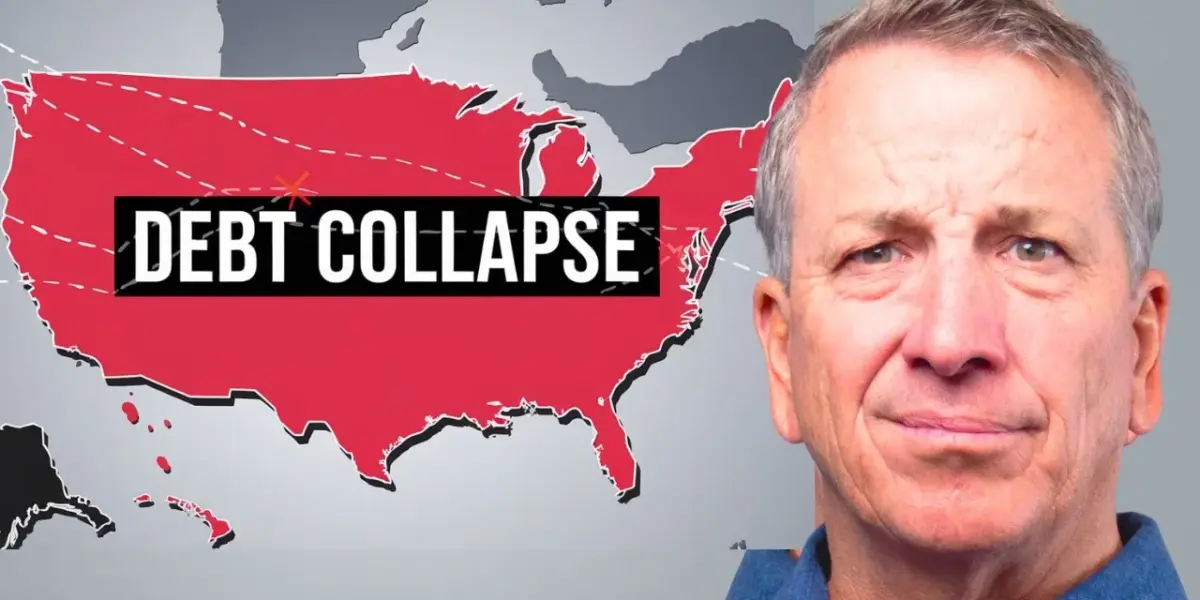
High Debt Forces Fed’s Hand, Paving Way for Rate Cuts
The U.S. faces a complex economic challenge: a massive national debt is limiting the Federal Reserve’s ability to fight inflation, potentially leading to interest rate cuts sooner than expected. This situation creates a delicate balancing act for policymakers, impacting everything from job growth to the real estate market.
The Fed’s Dual Mandate Under Pressure
The Federal Reserve has two main goals, known as the dual mandate: to keep prices stable (control inflation) and to promote maximum employment. Historically, the Fed adjusted interest rates to achieve these goals. Raising rates typically slows down inflation, while cutting rates stimulates the economy and encourages job growth.
However, the current economic climate presents a difficult scenario. Inflation soared to 9.1% previously, prompting the Fed to raise interest rates. But the U.S. government carries a staggering $36.4 trillion debt. A significant portion of this debt needs to be refinanced by 2025, similar to homeowners facing higher rates when their mortgages mature. If interest rates remain high, the cost of servicing this national debt would skyrocket, potentially crippling government finances.
Debt Wall Threatens Economic Stability
This looming debt refinancing wall means the Fed cannot aggressively raise interest rates to combat inflation without risking severe economic damage. Higher rates would not only make borrowing more expensive for the government but could also lead to a significant increase in unemployment. This leaves the Fed in a difficult position: raise rates and hurt the job market and government finances, or keep rates lower and risk higher inflation.
Unemployment Concerns Drive Rate Cut Expectations
Adding to the complexity is the growing concern over unemployment, partly driven by advancements in artificial intelligence (AI). Some experts predict a sharp rise in joblessness in the coming years. A weakening job market would force the Fed to consider cutting rates to stimulate the economy. Many economists, including those who will speak at the upcoming Limitless conference, believe that rising unemployment will push the Fed to lower rates later this year or next.
Inflationary Pressures Persist
Despite efforts to curb inflation, several factors continue to fuel price increases. Geopolitical events, such as conflicts impacting oil supply routes, have led to surcharges on transportation and goods, pushing inflation up. While the official inflation rate has trended down from its peak, many consumers do not feel it in their daily expenses. The Fed’s injection of liquidity into the financial system, even if not directly to consumers like during COVID-19, can also contribute to inflationary pressures by increasing the money supply.
Stagnation and Opportunity in Real Estate
The Fed’s current indecision, often described as being “frozen,” has led to stagnation in the real estate market. With interest rates hovering around 6.5%, transactions have slowed. Unlike the rapid price drops seen in 2008, the market is experiencing fewer sales and longer listing times, with a normal period on the market now stretching to four to six months. Sellers who bought at peak prices are finding it difficult to move their properties without significant price reductions.
However, this slowdown may present opportunities, particularly in commercial real estate. Sectors like office buildings and some multi-family properties are undergoing repricing, with some distressed assets becoming available. If interest rates decrease, these underperforming properties could become attractive investments for those with capital ready to deploy. The rental market also shows signs of strain, with a 10-year low in new apartment construction and a high demand for rentals, suggesting more people are being pushed into renting as buying becomes less accessible.
The Outlook: Higher Inflation Likely
Given the constraints posed by the national debt and the looming threat of rising unemployment, the Fed appears to be leaning towards accepting higher inflation rather than risking economic collapse. This means that while interest rates may eventually come down, the purchasing power of the dollar could continue to decrease. For real estate investors and buyers, this environment calls for careful strategy, preparing for potential shifts in market dynamics as the Fed navigates these complex economic crosscurrents.
Source: This Is What ALWAYS Happens When Government Debt Gets Out of Control (YouTube)

Related Articles


Trump Threatens Fed Chair Powell, Faces Nomination Blockade
President Trump is threatening to fire Fed Chair Jerome Powell over a renovation probe, creating a political stalemate. Senator Tom Tillis is blocking Trump's nominee, Kevin Warsh, until the investigation concludes. Warsh himself faces scrutiny over his vast personal wealth, estimated between $135-226 million, raising conflict of interest concerns.
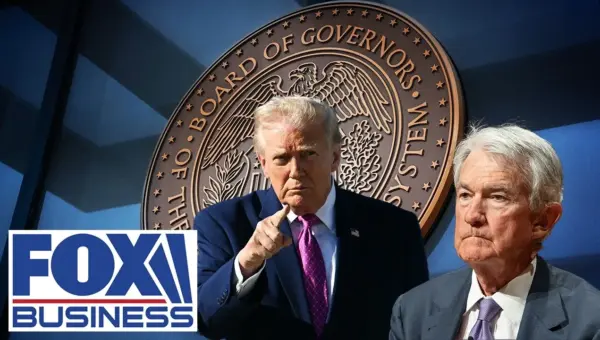
Trump Threatens to Fire Fed Chair Powell Over Building Project
Former President Donald Trump issued a strong ultimatum to Federal Reserve Chair Jerome Powell, threatening to fire him over perceived incompetence and excessive spending on a building project. Trump also expressed support for lowering interest rates and the confirmation of Kevin Warsh.

Trump’s Trade Wars Fueled Inflation, Fed Report Claims
A new Federal Reserve report links Donald Trump's trade wars to increased inflation since January 2025. Economists claim prices would have fallen to pre-pandemic levels without these tariffs. This finding highlights the significant consumer cost of protectionist trade policies.