UK Defence Faces ‘Embarrassment’ Amid Funding Gaps
Britain's defense capabilities are facing severe criticism, with experts calling the current state an "embarrassment" due to significant funding gaps and a lack of preparedness for modern warfare. Despite strong rhetoric, the government is urged to make tough decisions on defense spending, which faces a £28 billion shortfall, to address growing global threats. The article explores the disconnect between political statements and actual investment, the evolving nature of warfare, and the challenges of public perception and political will in securing national security.

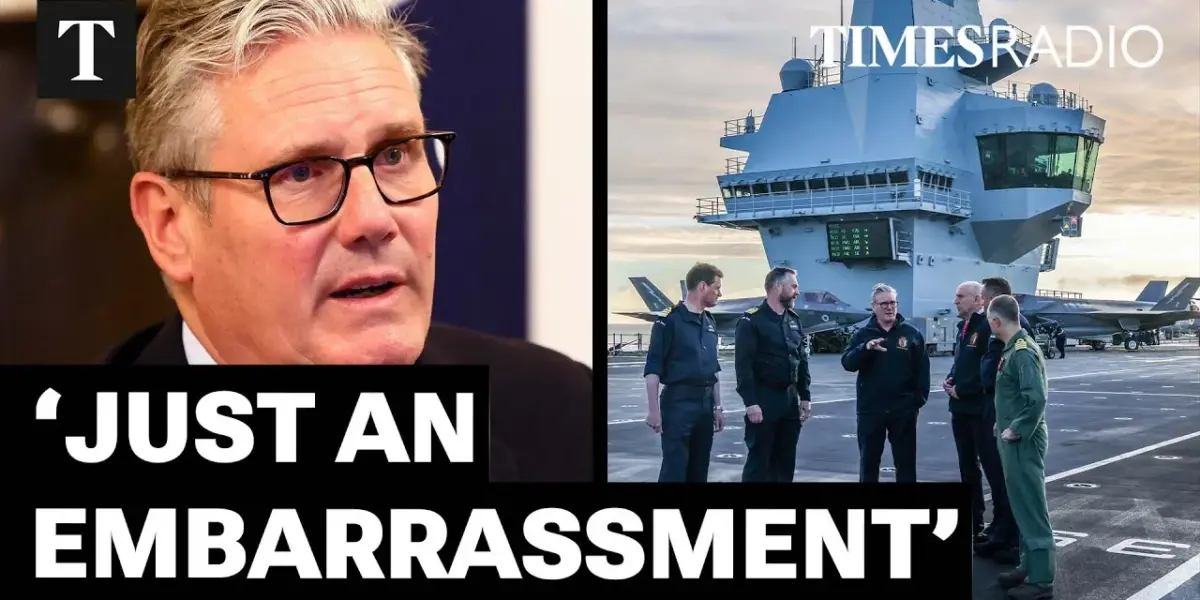
UK Defence Faces ‘Embarrassment’ Amid Funding Gaps
Britain’s defense capabilities are being called an “embarrassment” on the European stage, with significant funding gaps and a lack of preparedness for modern warfare. This stark assessment comes as the nation faces growing global threats, prompting urgent questions about the government’s commitment to national security. The army alone is reportedly facing a £28 billion funding shortfall, a figure that starkly contrasts with the proposed £10 billion in additional funding over the next four years. This situation has drawn sharp criticism from former NATO Secretary General Lord Robertson, who warns that Britain’s security is at risk.
Rhetoric vs. Reality on Defence Spending
Despite strong rhetoric from leaders like Keir Starmer, who has called Russia “a menace” and pledged to innovate at “wartime pace,” the reality on the ground appears to be a significant underinvestment in defense. Critics argue that Starmer is unwilling to make the tough choices needed to fund defense adequately. This includes potentially cutting back on other budgets, such as benefits, to meet the £28 billion gap. The challenge lies in convincing the public and even some within his own party that increased defense spending is essential, especially when other pressing needs exist.
Modern Warfare Demands New Investment
The nature of modern warfare has changed dramatically, with technologies like drones playing a crucial role, as seen in the conflict in Ukraine. While Britain has the potential to be a leader in drone technology, companies are reportedly looking to the United States instead. Experts emphasize the need to “double down” on such technologies to remain at the forefront. Beyond advanced tech, there’s a need for more basic supplies, such as sufficient ammunition and shells, which are currently lacking. This highlights a broader issue: a failure to adapt defense strategies and investments to contemporary threats.
A Shift Towards a Medium-Sized Naval Power
Historically, Britain has excelled as a medium-sized naval power, a role that aligns with its geography and traditional strengths. However, the current focus seems to be on mimicking superpowers, leading to a diluted approach. While the army is described as being in a “terrible state,” even the traditionally strong naval and air defense capabilities are now facing serious concerns. The vulnerability of modern infrastructure, such as gas pipelines and undersea cables, also underscores the need for robust maritime and air defense, areas that could become critical weaknesses if neglected.
The Challenge of Public Perception and Political Will
A significant hurdle in increasing defense spending is public perception. Many people may not fully grasp the immediate threat, making it difficult to justify cuts to benefits or other popular programs. This is compounded by a lack of strong leadership that can articulate the necessity of defense spending and make difficult decisions. The current political climate, marked by internal disagreements within the cabinet and a perceived lack of direction, further complicates efforts to establish a clear defense strategy. The government faces the challenge of convincing both the public and its own MPs that national security must be a top priority.
Lessons from History and Current Threats
History offers a stark warning: Britain has historically delayed serious rearmament until conflict was imminent, often leaving it dangerously unprepared. The current situation, with increased global instability and potential threats, echoes these past patterns. While a large-scale European war may not have occurred for 80 years, the landscape of warfare has evolved. Cyber threats, drone attacks, and the potential for blockades or disruption of critical infrastructure present new and immediate risks. The complacency that can set in during peacetime, coupled with a focus on less critical issues like “culture wars,” leaves the nation vulnerable.
Economic Pressures and Public Protest
Beyond defense, the UK is facing significant economic pressures, leading to widespread public discontent. Protests are being planned over issues like fuel taxes, with organizers aiming to draw in drivers, farmers, and small business owners. This situation is exacerbated by the rising cost of living, which deeply affects those who rely heavily on cars, particularly in areas with poor public transport. The government faces a difficult balancing act: addressing public concerns about the economy while managing national debt and investing in essential areas like defense.
Leadership and the National Interest
The current challenges highlight a broader issue of leadership and the prioritization of sectional interests over the national interest. While past generations may have been more willing to appeal to a sense of national duty, there is now a greater focus on individual welfare and immediate concerns. This shift makes it harder for leaders to rally support for long-term national security goals. The ability of leaders to articulate a clear vision, make difficult choices, and persuade the public of the importance of national security will be crucial in navigating the complex threats of the modern era.
Source: Britain’s Defence An ‘Embarrassment’ As Starmer Not Prepared For ‘Hard Work’ | Alice Thomson (YouTube)

Related Articles

NATO’s Strength: Stoltenberg Defends Alliance Vitality
Jens Stoltenberg, former NATO Secretary General, defended the vital role of the transatlantic alliance, arguing it makes both Europe and the U.S. safer. He highlighted NATO's combined economic and military strength and noted increasing European defense contributions. Stoltenberg also emphasized the alliance's crucial role in homeland defense and protecting critical infrastructure.

Ex-General: Push Unemployed Youth Into Military Service
Retired Major General Tim Cross warns of a serious defense funding crisis in Britain, blaming "corrosive complacency." He proposes enlisting unemployed youth into the military as an alternative to welfare, arguing the nation must prepare for a dangerous world.


Britain Faces Peril: Ex-NATO Chief Warns of Defense Crisis
Former NATO chief Lord Robertson has issued a stark warning that Britain's national security is in peril due to underfunding and overspending on welfare. The discussion highlights the nation's unpreparedness for global threats and questions the effectiveness of potential solutions like national service. This intervention forces a crucial reckoning on defense priorities and future readiness.