Economy Crumbles: Americans Can’t Afford Basics
A significant majority of Americans report that their incomes can't keep up with rising prices, forcing cutbacks on essentials and reliance on credit. This economic strain is highlighted by data showing a widening gap between wages and inflation.

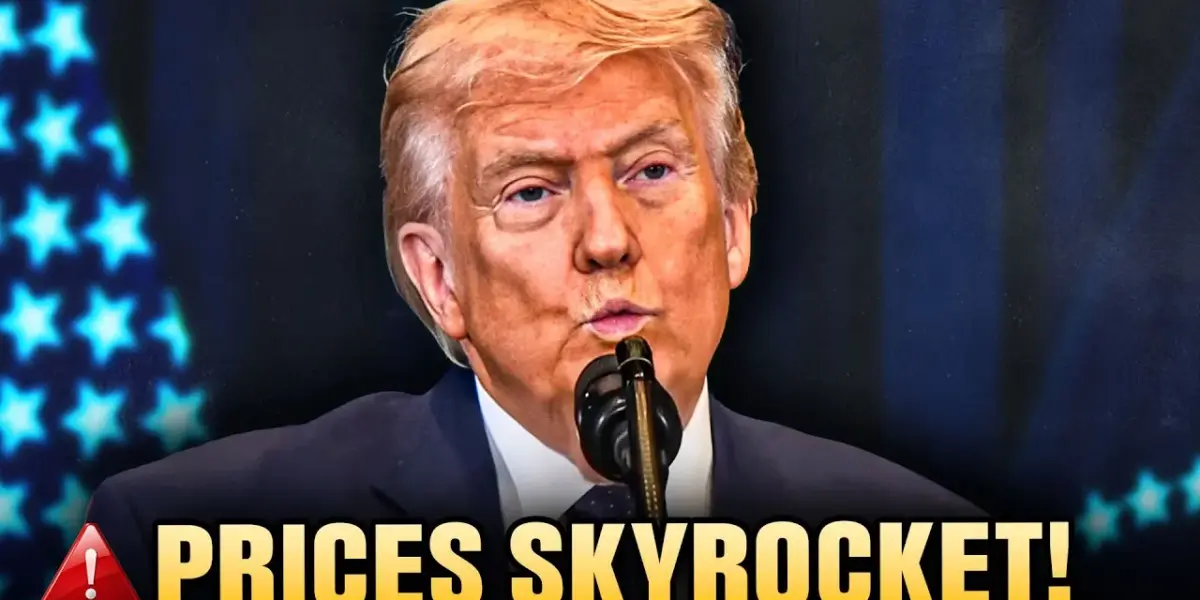
Economy Crumbles: Americans Can’t Afford Basics
Americans are struggling to keep up with rising costs, with a large majority reporting that their incomes are not stretching far enough to cover monthly expenses. This economic pressure is forcing many to make difficult choices, from delaying essential purchases to relying on credit cards for everyday needs like groceries.
Income vs. Inflation: A Widening Gap
A recent survey highlights the growing divide between what people earn and what things cost. According to JD Power, a significant 65% of Americans feel their paychecks can no longer keep pace with monthly price hikes. This feeling is backed by data showing inflation climbing from 2.4% to 3.3% in just one month. While global events like the Iran conflict and rising gas prices played a part, the overall trend shows prices increasing dramatically.
Over the last four years, prices have jumped by 16%. In contrast, incomes, after accounting for inflation, have only grown by a modest 1.4%. This means that while people might not be earning less money, the money they do earn simply doesn’t buy as much as it used to. This shrinking purchasing power is a major concern for households across the country.
Consumers Cut Back on Spending
The impact of these rising costs is visible in consumer behavior. The survey reveals that half of Americans are putting off buying clothes and home goods. Many are also cutting back on services they once considered regular expenses. For instance, 42% are spending less on personal care like haircuts, while 22% are rethinking their gym memberships. Even non-essentials like alcohol (21%) and ride-sharing services (14%) are seeing reduced spending.
Reliance on Credit for Essentials
Perhaps most concerning is the number of people turning to credit to cover basic necessities. A striking 39% of Americans have used credit cards to buy groceries or other essentials because they couldn’t afford them otherwise. Even more alarming, 40% of Americans have recently been unable to afford groceries due to a lack of cash in their bank accounts. This indicates a severe financial strain on a large portion of the population.
Beyond the Numbers: The Real-Life Impact
These figures represent more than just statistics; they reflect the daily struggles of millions. The cost of essential items like food is becoming a significant burden. This doesn’t even include the massive increases seen in housing prices, which make homeownership a distant dream for many. Interest rates remain high, further complicating the ability to buy a home. Prices for everyday items like beef and coffee have also soared, with coffee costs up nearly 40%.
Policy and Economic Blame
The transcript points to policies enacted by Donald Trump as a significant factor in the current economic situation. A Federal Reserve report, as mentioned in the video, suggests that tariffs and the initiation of conflict with Iran led to price increases. The argument is that without these actions, inflation levels might have remained at pre-COVID levels. The video contrasts this with the path under President Biden, suggesting that while progress was slow, the economy was moving in the right direction before a change in leadership.
The narrative presented is that voters, impatient with the pace of economic recovery, opted to return Trump to office, believing he would deliver a stronger economy based on his previous term. However, the outcome, according to this analysis, is a worsening economic situation, with indicators pointing towards a recession. The video criticizes official GDP reports as potentially masking the true economic reality under the Trump administration.
Why This Matters
The economic well-being of a nation’s citizens is fundamental to its stability and their quality of life. When a large percentage of the population cannot afford basic necessities like food, it signals a systemic problem. This situation can lead to increased poverty, social unrest, and a general decline in public morale. The disconnect between income growth and rising prices erodes the middle class and creates widespread anxiety about the future.
Implications and Future Outlook
The current economic climate suggests a challenging period ahead for many American households. The reliance on credit for essentials is unsustainable and can lead to a cycle of debt. The housing market’s instability, coupled with high interest rates, creates barriers to wealth building. If these trends continue, we could see a further widening of income inequality and a decline in consumer confidence. The political implications are also significant, as economic issues often heavily influence voter decisions.
Historical Context
Economic cycles of inflation and recession are not new in American history. Periods of rapid price increases have often been followed by economic downturns, leading to policy debates about government intervention, trade, and monetary policy. Understanding past economic challenges can provide context for current events, though each period has its unique set of contributing factors.
The debate over the causes of inflation and economic slowdown is complex, involving global supply chains, geopolitical events, and domestic policy decisions. Different administrations and economic schools of thought offer varying explanations and solutions. The current situation highlights the ongoing tension between economic growth, price stability, and individual financial security.
Source: Americans CRUSHED As Trump Decimates Americans' Bank Accounts (YouTube)

Related Articles

Trump’s Trade Wars Fueled Inflation, Fed Report Claims
A new Federal Reserve report links Donald Trump's trade wars to increased inflation since January 2025. Economists claim prices would have fallen to pre-pandemic levels without these tariffs. This finding highlights the significant consumer cost of protectionist trade policies.
IMF Warns: Global Growth Faces Major Setback
The International Monetary Fund (IMF) has significantly downgraded its global growth forecast for 2026, citing the ongoing conflict in Iran as a major shock. The IMF warns of potential widespread economic slowdown, renewed inflation, and even a global recession if the situation deteriorates.

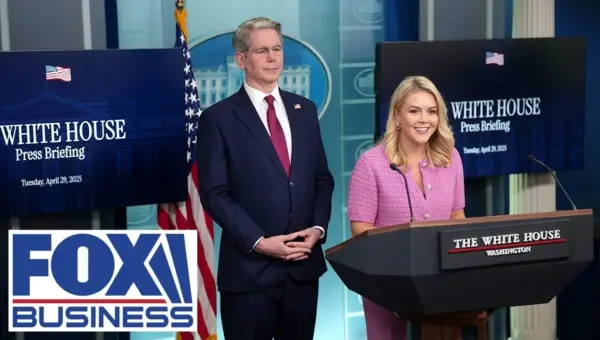
Tax Day Relief: Officials Highlight Potential Refunds
On Tax Day, White House Press Secretary Karoline Leavitt and Treasury Secretary Scott Bessent highlighted the potential for taxpayer refunds. This influx of money could boost consumer spending and offer financial relief. Investors should monitor these trends for potential market impacts.