Iran Faces Internal Unrest Amidst Escalating Global Tensions
Iran is facing internal unrest with assassinations targeting protest crackdown leaders, while also being accused of using Chinese spy satellites to aid attacks on U.S. troops. The U.S. is mobilizing thousands of troops and implementing a naval blockade.

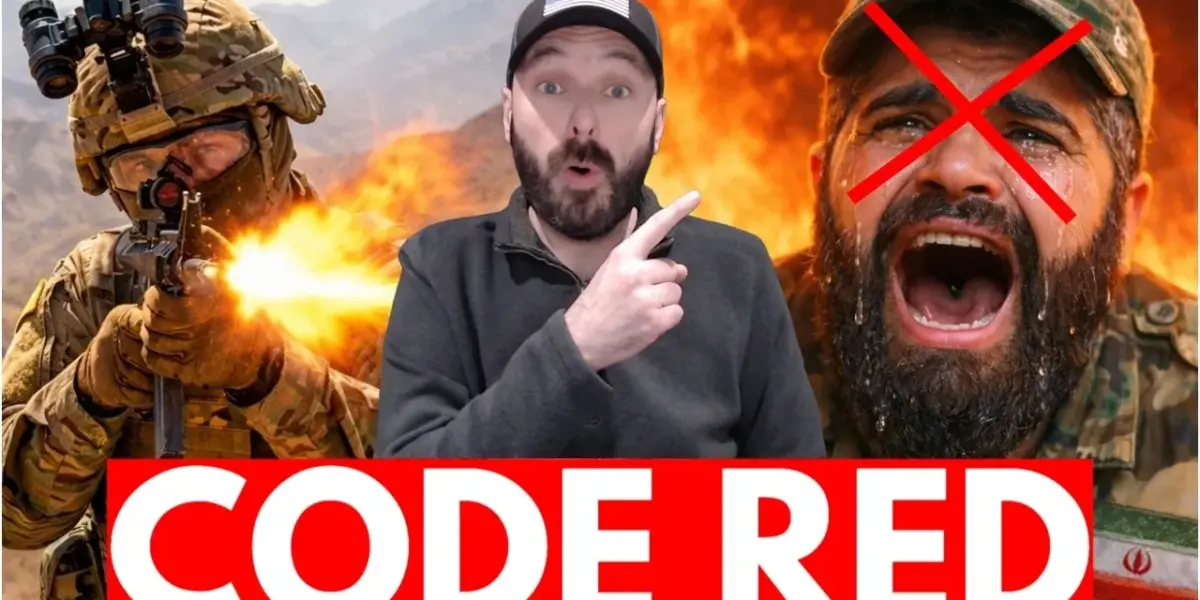
Iran Leader Assassinated as China Aids Attacks on U.S. Troops
New reports suggest a series of assassinations and attacks have rocked Iran, with a key figure linked to the violent crackdown on recent protests now dead. Details remain unclear, but this event, coupled with accusations of Chinese involvement in attacks against U.S. service members, signals a significant escalation of regional and global tensions. The situation is developing rapidly, with increased U.S. military mobilization in the Middle East.
Internal Strife Surfaces in Iran
Recent events indicate a potential uprising within Iran. A separatist group, AAS, has reportedly claimed responsibility for assassinations and bombings in several Iranian cities. These attacks appear to target leaders within the police, military, and security forces. This wave of violence suggests a growing internal resistance against the government, particularly against those responsible for the harsh suppression of recent protests. Estimates of civilian deaths during these protests range from 30,000 to 45,000, a staggering number that fuels ongoing discontent.
One such targeted assassination was that of Muhammad Shir Muhammadan, a commander of the “Besij” security force in Tehran. He was found stabbed multiple times, a brutal act suggesting deep personal animosity. The Besij are known for their role in violently quelling dissent, making their leaders prime targets for those seeking retribution. The exact perpetrators behind these killings remain unknown, fueling speculation about whether they are internal actors, foreign operatives, or a combination.
China’s Suspected Role in U.S. Casualties
Adding another layer of complexity, reports from the Financial Times, citing sources, claim Iran secretly utilized a Chinese spy satellite during recent conflicts. This satellite allegedly provided Iran with precise targeting data, enabling them to strike U.S. military bases across the Middle East. This intelligence sharing is believed to have directly contributed to the deaths of 13 U.S. service members and the destruction of equipment. While China denies these allegations, the confirmation of such assistance would represent a serious threat to U.S. interests and personnel in the region.
Furthermore, there are unconfirmed reports that China is rushing shoulder-fired missile launchers, known as MANPADS, to Iran. If true, this would significantly increase Iran’s ability to threaten aircraft and helicopters, posing an even greater danger to U.S. forces. The potential involvement of a major global power like China in directly aiding attacks that result in American casualties is a grave concern.
U.S. Military Response and Blockade
In response to these escalating threats, the U.S. military is significantly increasing its presence in the Middle East. The Washington Post reports that thousands of additional troops are being deployed, including elements of the Marines and the 82nd Airborne Division. These deployments are reportedly preparing for potential ground operations within Iran, especially if a ceasefire fails.
Concurrently, the U.S. Navy has implemented a blockade of Iranian ports. Admiral Brad Cooper, commander of U.S. Naval Forces Central Command, stated that this blockade has halted approximately 90% of Iran’s maritime trade within 36 hours. The goal is to economically strangle the Iranian regime by preventing oil exports, thereby cutting off their revenue. This economic pressure is seen as a way to potentially force Iran’s collapse without resorting to direct military conflict.
Despite the blockade, there have been attempts to circumvent it. Eight tankers were intercepted attempting to leave Iranian ports and were forced to turn back. As of April 15th, a Maltese-flagged tanker, the “Ca Champion,” was reportedly attempting to run the blockade, raising the possibility of a direct confrontation and potential boarding.
Iran’s Threats and Trump’s Stance
Iran has responded to the U.S. actions with threats of major escalation. Iranian officials have warned that the U.S. blockade is a prelude to violating any ceasefire and that Iranian forces will prevent all imports and exports in key waterways like the Persian Gulf, Sea of Oman, and Red Sea. This indicates a willingness to escalate the conflict and potentially disrupt global shipping.
Regarding the broader conflict, President Trump has made comments suggesting the war is “close to over.” However, he also stressed the need for continued U.S. presence and warned against Iran obtaining nuclear weapons. His statements often require careful interpretation, with actions on the ground, such as troop movements and naval operations, being more indicative of U.S. policy than his public remarks.
Why This Matters
The events unfolding in and around Iran are critically important for several reasons. Firstly, the internal assassinations highlight the deep-seated discontent and potential for widespread unrest within Iran, which could destabilize the region further. Secondly, the alleged involvement of China in attacks on U.S. forces represents a dangerous escalation of geopolitical competition, potentially drawing major global powers into direct conflict. Finally, the U.S. military’s response, including troop deployments and a naval blockade, signals a significant shift towards a more assertive stance, with the potential for direct military engagement on Iranian soil.
Implications and Future Outlook
The situation is highly volatile. The internal turmoil in Iran could either lead to a government collapse, a wider civil conflict, or a desperate regime seeking external validation through increased aggression. China’s alleged role, if proven, could severely damage its relationship with the United States and other Western nations, leading to further sanctions and diplomatic isolation. The U.S. blockade, while economically impactful, could also provoke a strong retaliatory response from Iran, potentially disrupting oil supplies and leading to a broader regional war. The possibility of ground operations in Iran carries immense risks, including significant casualties and a prolonged, costly conflict.
Historical Context
Tensions between Iran and the United States have a long history, dating back to the 1979 Islamic Revolution. This has included periods of proxy conflicts, economic sanctions, and diplomatic standoffs. The recent escalation appears to be a culmination of long-standing grievances and new flashpoints, including Iran’s nuclear program and its regional influence. The involvement of China adds a new dimension, reflecting the growing global rivalry between major powers.
Moving Forward
The coming days and weeks will be crucial in determining the trajectory of this crisis. Close monitoring of military movements, diplomatic communications, and internal developments within Iran will be essential. The international community faces the challenge of managing these escalating tensions to prevent a wider conflict while addressing the underlying issues that fuel instability in the region.
Source: Iran Leader ASSASSINATED In Brutal Attack – U.S. Troops MOBILIZING (YouTube)

Related Articles

US Imposes Iran Port Blockade; Peace Talks Loom Amid Tensions
U.S. forces have fully implemented a blockade on Iranian ports, halting trade amid escalating Middle East tensions. Peace talks between the U.S. and Iran are reportedly on the horizon, though Iran's nuclear program remains a key obstacle. Meanwhile, historic direct talks between Israel and Lebanon took place in Washington, marking a significant diplomatic step.
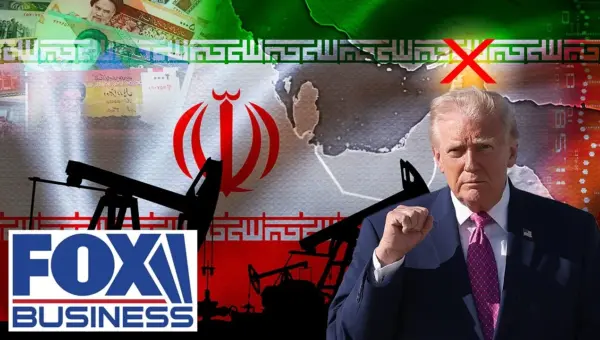
Oil Prices Dip 5% as Iran Port Blockade Eases
Oil prices dropped 5% below $100 a barrel as a U.S. blockade on Iranian ports was fully implemented. Tankers reversed course amid potential peace talks. The administration also highlighted deregulation efforts to boost domestic energy production and exports.
Trump Claims Iran War Nearing End Amid Conflicting Reports
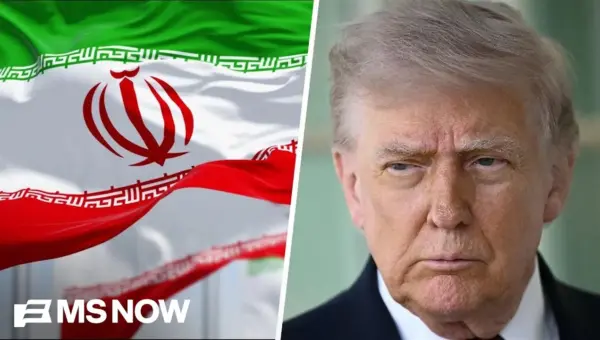
President Trump has declared the conflict with Iran is nearing its end, but conflicting reports highlight the complexities of the U.S. naval blockade. Experts question the administration's optimism, citing Iran's historical resilience and the significant resources required to maintain the blockade. Geopolitical shifts, including potential U.S. withdrawal from NATO and China's growing assertiveness, add further layers of uncertainty to the evolving situation.