Trump’s Economy Faces Recession Warnings Amid Global Fears
Global recession fears are intensifying as the IMF issues stark warnings, while a Harvard academic predicts a trillion-dollar taxpayer burden for the U.S. The Trump administration, however, continues to project optimism, creating a notable contrast with expert analyses. This divergence highlights critical questions about economic preparedness and the potential impact of global instability on American taxpayers.

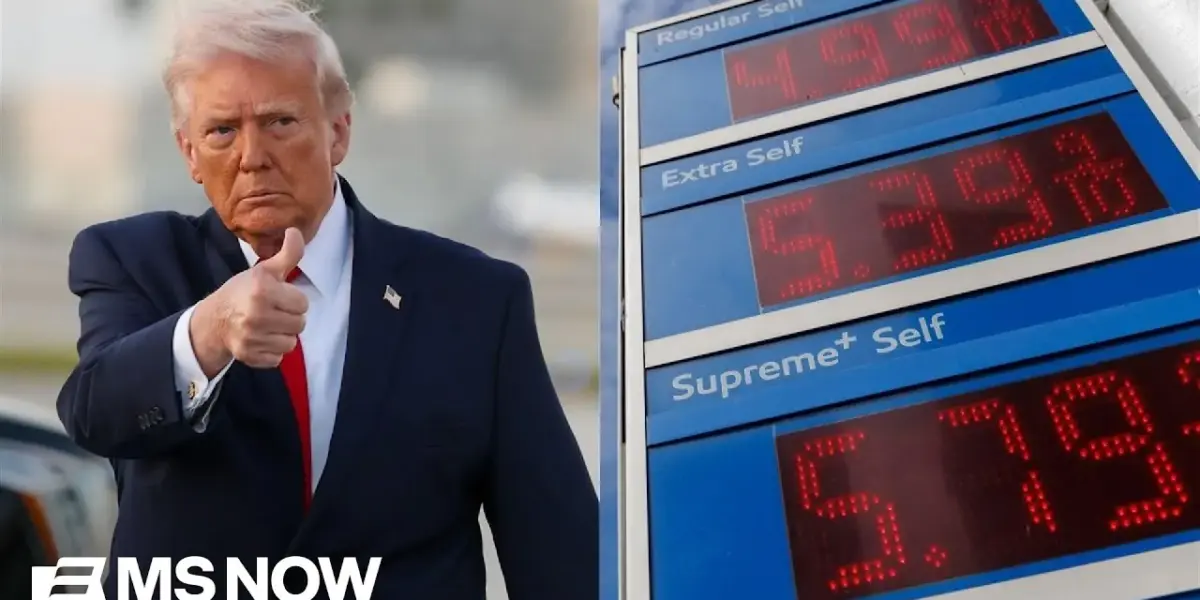
Global Recession Fears Mount as Trump Administration Downplays Risks
As international tensions escalate, the global economy is showing signs of strain, prompting widespread warnings of a potential recession. The International Monetary Fund (IMF) has signaled significant concerns, suggesting that current global events could trigger a downturn.
Meanwhile, a Harvard academic estimates the financial fallout for American taxpayers could reach a staggering one trillion dollars over the next ten years. Amid these dire predictions, the Trump administration is reportedly maintaining an optimistic outlook, a contrast that is drawing scrutiny from economic experts and analysts.
Experts Sound Alarm on Economic Downturn
The growing uncertainty surrounding international conflicts is casting a long shadow over the global financial markets. The IMF, a key international financial institution, has issued stark warnings about the possibility of a global recession. This outlook is based on several interconnected factors, including trade disputes, rising inflation, and geopolitical instability.
The Fund’s analysis suggests that a significant shock to the global system could easily tip economies into contraction, leading to job losses and reduced economic activity worldwide. This is not just a theoretical concern; many countries are already experiencing slower growth and increased economic hardship.
Harvard Academic Predicts Trillion-Dollar Taxpayer Burden
Adding to the chorus of concern, a prominent Harvard academic has published research highlighting the potential long-term financial impact on the United States. The study projects that the economic consequences of current global instability could cost American taxpayers as much as one trillion dollars over the coming decade.
This figure encapsulates a range of economic damages, including increased national debt due to stimulus measures, lost tax revenue from a weaker economy, and the direct costs associated with international engagements. The academic’s findings highlight the significant financial stakes involved and the need for careful economic management.
Administration Maintains Optimistic Tone
In contrast to the somber assessments from international bodies and academic researchers, the Trump administration has consistently projected confidence in the U.S. Economy. Officials have often pointed to low unemployment rates and steady growth figures as evidence of the economy’s resilience. This optimistic narrative suggests that the U.S. Is well-positioned to weather any potential global economic storms.
However, this public stance has led to questions about whether the administration is adequately preparing for or acknowledging the severity of the risks highlighted by experts. The disconnect between expert warnings and official pronouncements is a key point of discussion among those tracking economic policy.
Key Voices in the Economic Debate
The discussion about the economy’s future is being shaped by insights from various experts. Jeff Mason, Ron Insana, and Justin Wolfers, in their appearances on The 11th Hour with Stephanie Ruhle, have provided critical analysis of the economic situation. Their conversations often revolve around the complex interplay between geopolitical events and financial markets.
These experts frequently emphasize that while the U.S. Economy has shown strength, it is not immune to global shocks. They advocate for proactive measures and a realistic assessment of potential threats, rather than relying solely on positive indicators.
Broader Implications for Global Stability
The potential for a global recession carries significant implications far beyond financial markets. Economic downturns often lead to increased social unrest, political instability, and a rise in protectionist policies. For developing nations, a global recession can be particularly devastating, reversing years of progress and exacerbating poverty.
The interconnected nature of the modern global economy means that a crisis in one region can quickly spread to others, creating a domino effect. Therefore, addressing the current economic warnings is not just about financial health but also about maintaining global peace and cooperation.
Looking Ahead: What to Watch
As economic indicators continue to evolve, all eyes will be on how global leaders respond to the growing recessionary signals. Key developments to monitor include the actions of central banks, government fiscal policies, and the resolution of ongoing international conflicts.
The effectiveness of policy responses in mitigating economic damage and restoring confidence will be crucial. The divergence between expert warnings and official optimistic statements will likely remain a focal point, shaping public perception and political discourse surrounding economic management in the months ahead.
Source: Trump team keeps up happy talk as experts warn of global recession (YouTube)

Related Articles


Mass Protests Signal Deep Discontent With Trump Administration
Millions of Americans have taken to the streets, signaling deep discontent with the Trump administration. This widespread public outcry, coupled with a surge in legal challenges and shifts in special election results, indicates a strong demand for change. A key legal battle over birthright citizenship at the Supreme Court is also set to define American identity.
Fired FBI Agents Sue Trump Admin for Retaliation
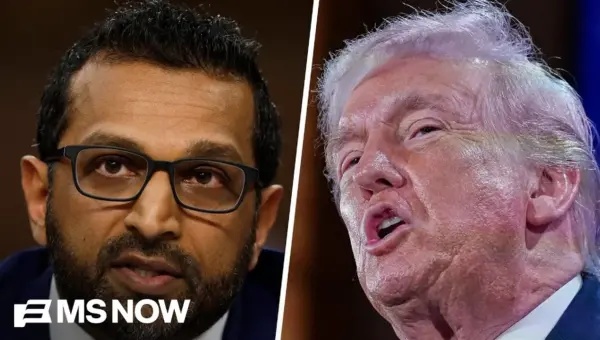
Former FBI agents have filed a groundbreaking class action lawsuit against the Trump administration, alleging politically motivated firings. The suit claims agents were targeted for their work on investigations into the 2020 election and seeks reinstatement and a halt to future dismissals.
Trump’s Iran Strategy: Unpredictable Warfare for Oil Security
President Trump is employing a strategy of unpredictable warfare, focusing on economic and military pressure points like the Strait of Hormuz. The aim is to counter Iran's nuclear ambitions and regional influence without full-scale conflict. Investors should monitor potential impacts on oil prices and geopolitical stability.