Russia Adds Armed Guards to Ships Near UK Coasts
Russia is reportedly deploying armed personnel on ships near British coasts, creating strategic ambiguity and increasing the risk of confrontation. Experts suggest this tactic aims to deter British forces from boarding sanctioned Russian oil tankers, making decision-making more complex for UK authorities.

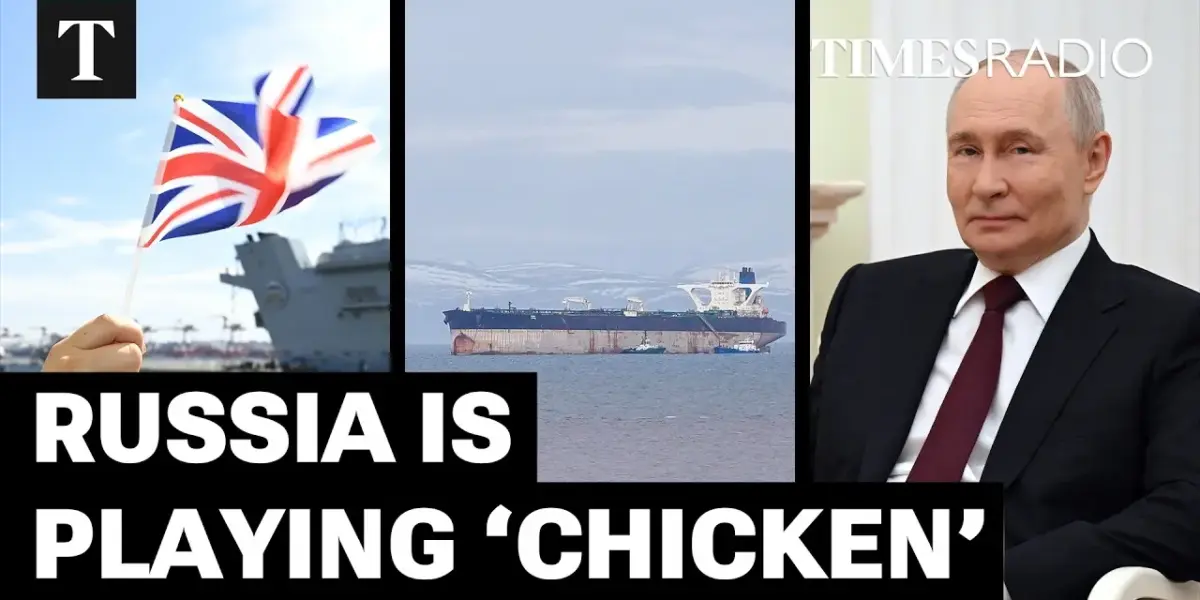
Russia Escalates Tensions Near British Coasts
Russia is reportedly increasing its military presence and creating confusion around the coasts of Britain, particularly concerning ships suspected of violating sanctions. A Russian naval vessel was recently spotted off the Suffolk coast, possibly to prevent British forces from intercepting sanctioned Russian oil. The ship remained in the area for about 18 hours.
Potential for Armed Confrontation
Defense experts suggest Russia might be using vessels like the one seen to place armed guards on tankers. These tankers could be targeted by British forces aiming to enforce sanctions. This tactic could pose a significant challenge to British operations. Sweden has already reported that Russian ‘shadow fleet’ vessels have carried armed guards, though details remain scarce. Russian warships have also been seen routinely escorting tankers through the English Channel.
This situation presents a pre-existing risk that has grown since the Ministry of Defense announced that British forces have permission to board these ‘shadow fleet’ tankers. From Russia’s perspective, such reports increase uncertainty for British military planners, politicians, and lawyers. This ambiguity makes the decision to launch boarding operations more complex.
“Russia will be counting on winning a game of chicken to put it that way.”
British Military Preparedness
If the UK decides to board one of these ships, it would likely be carried out by highly skilled and trained forces. These units, such as Royal Marine Commandos and the Special Boat Service, possess formidable capabilities. For instance, in a past incident involving stowaways on a tanker, it took just seven minutes for commandos to gain control of the vessel. The current scenario, however, involves the possibility of encountering armed Russian personnel, which significantly raises the risk of a direct confrontation.
While the outcome of a boarding operation might not change, the danger involved increases. A direct clash between British and Russian forces would be a serious escalation, potentially nearing the edge of NATO’s Article 5 mutual defense clause. This situation moves closer to a wider conflict between Russia and NATO allies.
Ambiguity and Strategic Uncertainty
Russia may be deploying personnel who pose as private security rather than uniformed military. This tactic could make it easier for British commanders to decide on a course of action, but it also adds to the overall uncertainty. Russia seems to benefit from making the decision-making process more difficult for the UK.
The core issue lies in the political and legal hurdles for these operations. While the military capability exists, political considerations act as a restraint. For boarding to occur legally, a vessel must be in breach of international law. This could include flying a false flag, no flag, or being suspected of serious maritime offenses like slavery or smuggling.
Recent Incident Highlights Complexity
A recent event in the English Channel illustrated the delicate nature of these situations. A shadowed ship, escorted by a Russian destroyer, was observed with a Royal Navy destroyer nearby. The ship was allowed to pass without interruption, as there was no clear indication of any legal breach. This highlights the complexity of enforcing sanctions in busy international waterways.
The world depends on the open and free use of busy sea lanes like the English Channel. Disruptions to these routes, similar to concerns in the Gulf, can cause widespread economic pain. Britain, like other nations, benefits from this free passage. Under international law, Russia is permitted to use these sea lanes, regardless of existing sanctions against its vessels.
The ongoing actions by Russia are designed to increase ambiguity and make decision-making harder for the UK. This strategy aims to deter potential boarding operations by raising the stakes and creating uncertainty about the consequences of any direct confrontation.
Source: Russia Is Creating Strategic ‘Ambiguity’ Around Britain's Coasts (YouTube)

Related Articles


Crypto Market Roars Back Amid Geopolitical Calm
Cryptocurrency markets are experiencing a surge in optimism, driven by easing geopolitical tensions and positive economic signals. Bitcoin has rallied, and traditional markets are also showing strength, indicating a broad shift in investor sentiment. Regulatory clarity and a generational wealth transfer are further supporting the positive outlook for digital assets.


Hungary Votes Out Orban, Shaking Up Eastern Europe’s Strongmen
Hungary has voted out long-time Prime Minister Viktor Orban, signaling a potential shift in Eastern European politics. Orban's government was accused of undermining EU foreign policy and supporting illiberal leaders, impacting countries like Slovakia and the Western Balkans. The new leadership promises a pro-European realignment, but faces challenges in dismantling established structures.


Iran Tensions Rise: Escalation Looms in Middle East
Tensions between Iran and Israel are escalating following an alleged Israeli strike on an Iranian consulate. Iran has vowed retaliation, raising fears of a wider conflict. This situation could destabilize the Middle East and impact global markets.