Trump’s Tax Tip ‘Stunt’ Fuels Stock Surge, Lacks Real Impact
A recent White House event featuring a DoorDash driver and a 'no tax on tips' policy is under scrutiny. Critics argue the event was staged to boost DoorDash stock and promote a policy with minimal real benefit to the featured worker, highlighting concerns about political messaging and media portrayal.

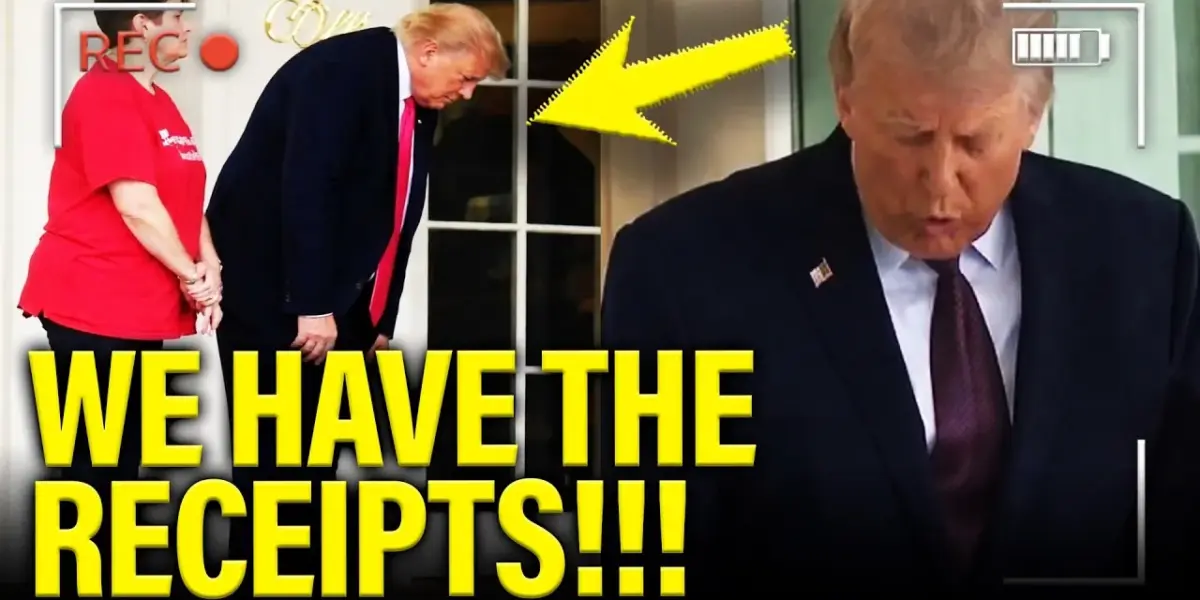
Trump’s Tax Tip ‘Stunt’ Fuels Stock Surge, Lacks Real Impact
Donald Trump recently appeared with a DoorDash driver at the White House, promoting a policy of no tax on tips. The event was presented as proof that this policy was helping workers. However, a closer look reveals a carefully staged event that appears to benefit both the former president and the company involved. This analysis explores the claims made, the potential motives behind the event, and its actual impact on those it claims to help.
The DoorDash ‘Grandma’ and Her Story
The focus of the White House event was Sharon Simmons, a DoorDash driver from Arkansas, who was presented as a beneficiary of Trump’s no-tax-on-tips policy. Simmons stated that her tips make up more than half of her income, earning about $11,000 in tips annually, bringing her total income to around $22,000. She claimed that the savings from this policy helped her cover her husband’s stage-three cancer treatment.
However, based on her stated income, Simmons falls into one of the lowest possible tax brackets. The tax savings from a no-tax-on-tips policy for someone earning $22,000 a year would be minimal, likely only a few hundred dollars at most, not the thousands she suggested. This raises questions about the policy’s significant impact on her financial situation, especially concerning expensive medical treatments.
Stock Market Reaction and Potential Motives
The timing of the event also coincided with a noticeable jump in DoorDash’s stock price. Following the White House appearance, DoorDash’s stock rose by over 4%, increasing its market capitalization by nearly $2 billion. This suggests that the event may have been coordinated to boost the company’s stock value, benefiting shareholders and potentially those with insider knowledge.
For Donald Trump, the event served as a platform to promote his economic policies shortly before tax day. It allowed him to present a narrative of helping everyday Americans, potentially distracting from other pressing issues such as foreign policy and the current economic conditions in the United States.
A Pattern of Staged Events?
This DoorDash event is not presented as an isolated incident but rather as part of a broader pattern of what critics call ‘propaganda stunts’ employed by Donald Trump. Past examples cited include:
- The ‘Black Church’ Stunt: An event held in a black church that was reportedly filled with mostly white MAGA supporters, intended to project broad support within the black community.
- The ‘Bodega’ Stunt: Visits to bodegas in areas like the Bronx or Harlem, where crowds were allegedly filled with Young Republicans, to showcase support from Hispanic communities.
- The ‘Chick-fil-A’ Stunt: A public appearance at a Chick-fil-A where a Black woman, described as a MAGA operative, spontaneously hugged Trump, used by media to suggest support among Black women.
These events, according to critics, are often presented without critical media scrutiny, allowing the narrative to take hold without questioning their authenticity or underlying purpose.
Analyzing the Numbers: Savings vs. Reality
The core of the DoorDash event’s narrative relies on the idea that eliminating taxes on tips provides substantial financial relief. However, when Simmons’s income is analyzed, the projected savings are far less dramatic than portrayed. If her total tax liability was already low, then the savings from the no-tax-on-tips policy would be marginal.
The claim that these savings could significantly contribute to covering cancer treatment costs appears unlikely. Cancer treatments can cost hundreds of thousands of dollars, even with insurance. A few hundred dollars in tax savings would likely cover only a fraction of a single doctor’s visit or a small portion of medication costs, rather than providing substantial relief for life-saving treatment.
Broader Societal Issues at Play
Beyond the specifics of the tax policy and the staged event, the situation highlights deeper societal concerns. The fact that a grandmother has to rely on gig work and tips to fund her husband’s critical medical care points to potential shortcomings in the healthcare system and social safety nets. The narrative, while seemingly focused on tax policy, also underscores the economic precarity faced by many workers, even in a wealthy nation.
Historical Context of Political Stunts
Political figures have long used carefully curated events and photo opportunities to shape public perception. These tactics aim to create relatable narratives and demonstrate empathy, often coinciding with policy pushes or election cycles. The use of social media and targeted media appearances amplifies these efforts, allowing messages to spread quickly and widely.
The transcript suggests that the Trump campaign and administration have frequently employed such tactics. By identifying specific individuals with compelling, albeit sometimes questionable, stories, they aim to create powerful visual and emotional appeals. The criticism here is not necessarily about the policy itself, but about the methods used to promote it and the potential for misleading the public.
Why This Matters
This situation matters because it raises critical questions about transparency in political messaging and the media’s role in reporting on it. When staged events are presented as authentic, it can distort public understanding of policy impacts and the realities faced by ordinary citizens. It also highlights the importance of critical thinking and media literacy, encouraging individuals to question the narratives presented to them and seek out verifiable facts.
Furthermore, the event touches upon the economic challenges faced by many gig economy workers and the broader debate about tax policies and their real-world effects. Understanding the true impact of policies requires looking beyond the soundbites and carefully examining the data and individual circumstances.
Implications and Future Outlook
The scrutiny applied to this DoorDash event suggests a growing public awareness of political staging. As audiences become more sophisticated in consuming media, the effectiveness of such tactics may diminish. Future political communication may need to rely more on genuine policy substance and less on carefully manufactured moments.
The ongoing debate about the gig economy, worker protections, and tax policies will continue to be shaped by events like these. The challenge for policymakers and the public alike will be to distinguish between genuine advocacy and strategic maneuvering, ensuring that policies are evaluated on their merits and actual outcomes.
Source: 🚨Trump WH TAX STUNT FULLY EXPOSED…with RECEIPTS!!! (YouTube)

Related Articles
New York Faces Talent Exodus Amid High Taxes, Says Candidate
New York faces a significant population and capital "brain drain" due to high taxes and "tax and spend" policies, according to gubernatorial candidate Bruce Blakeman. He criticizes current leadership for making the state unaffordable and vows to cut taxes and regulations if elected. The trend impacts businesses and residents seeking lower living costs.
Trump’s Tariff Threat: China’s Iran Arms Deal Sparks Crisis
President Trump has warned China against supplying weapons to Iran, threatening a "staggering" 50% tariff if they do. U.S. intelligence reports suggest China may be preparing to send air defense systems, including missiles, to Iran. This development significantly heightens tensions ahead of a crucial summit between President Trump and Chinese President Xi Jinping.

US Blockades Iran, Trump Declares ‘World Blackmail’ Must End
President Trump has imposed a U.S. naval blockade on Iran, aiming to halt its nuclear program and prevent global "blackmail." The action restricts ships in the Strait of Hormuz and is part of a broader strategy to cripple Iran's economy and military capabilities.